Engineered for immediate integration within Norwegian regional health authorities (RHA) and critical care trauma departments.
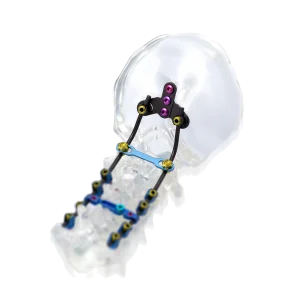
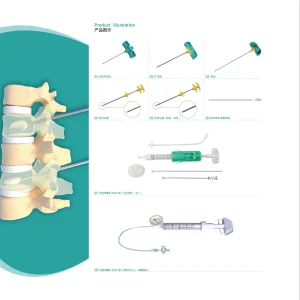
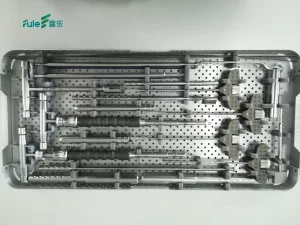
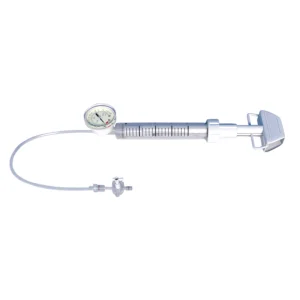
The Norwegian healthcare model, centered around regional entities such as Helse Sør-Øst and Helse Vest, emphasizes safety, clinical durability, and economic viability. Due to high athletic engagement, winter outdoor sports, and a steadily aging demographic, the clinical requirement for posterior rigid stabilization is rising.
Occipitocervical and thoracic posterior spinal systems play a critical role in treating degenerative pathologies, complex fractures, post-traumatic instability, and oncological resections. Because the Norwegian market demands compliance with CE MDR guidelines, sourcing partners must demonstrate high manufacturing quality alongside solid documentation.
"Norwegian clinics place strong focus on revision-reduction strategies, meaning implant components must demonstrate superior fatigue strength and precise biocompatibility properties."
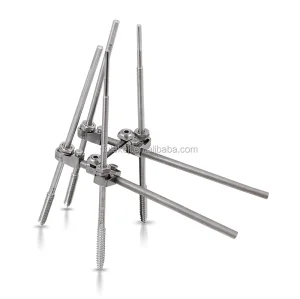
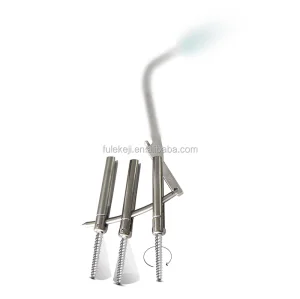
High-precision polyaxial screw configurations provide flexible angles to match varied anatomy in challenging cases.
Full alignment with regulatory frameworks ensures consistent delivery and patient safety across European medical networks.
How modern posterior systems address micro-instability and support early mobility.
The global spine surgery market is transitioning toward hybrid stabilization systems and patient-specific implant designs. The occipitocervical thoracic junction presents unique anatomical challenges, including small pedicle corridors and high shear forces. Manufacturers are focusing on low-profile designs that minimize soft-tissue irritation while maintaining structural stability.
At the same time, supply chain transparency is increasingly vital. Hospitals in Europe are seeking alternative partners that offer consistent production capacity to mitigate delivery delays and clinical disruptions.
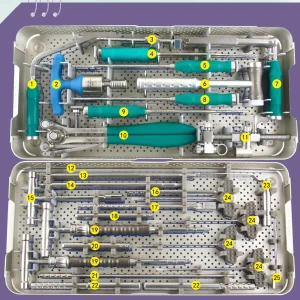
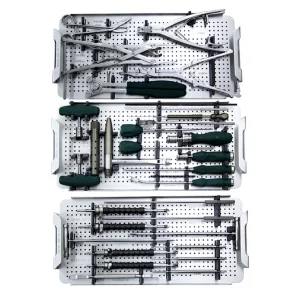
In Norway's remote areas, emergency patients are often transported to central university hospitals for complex spine surgeries. This arrangement requires implant systems to be versatile and adaptable to varied clinical scenarios, reducing the need for large inventories. Our system's standardized instrument sets help optimize surgical workflows under these conditions.
Transition from heavy steel alloys to Grade 5 ELI titanium, reducing weight while optimizing biocompatibility and load sharing.
Developing implants that work with intraoperative CT and surgical navigation platforms for accurate screw placement.
Introducing advanced surface treatments to promote cellular attachment and speed up bone integration.
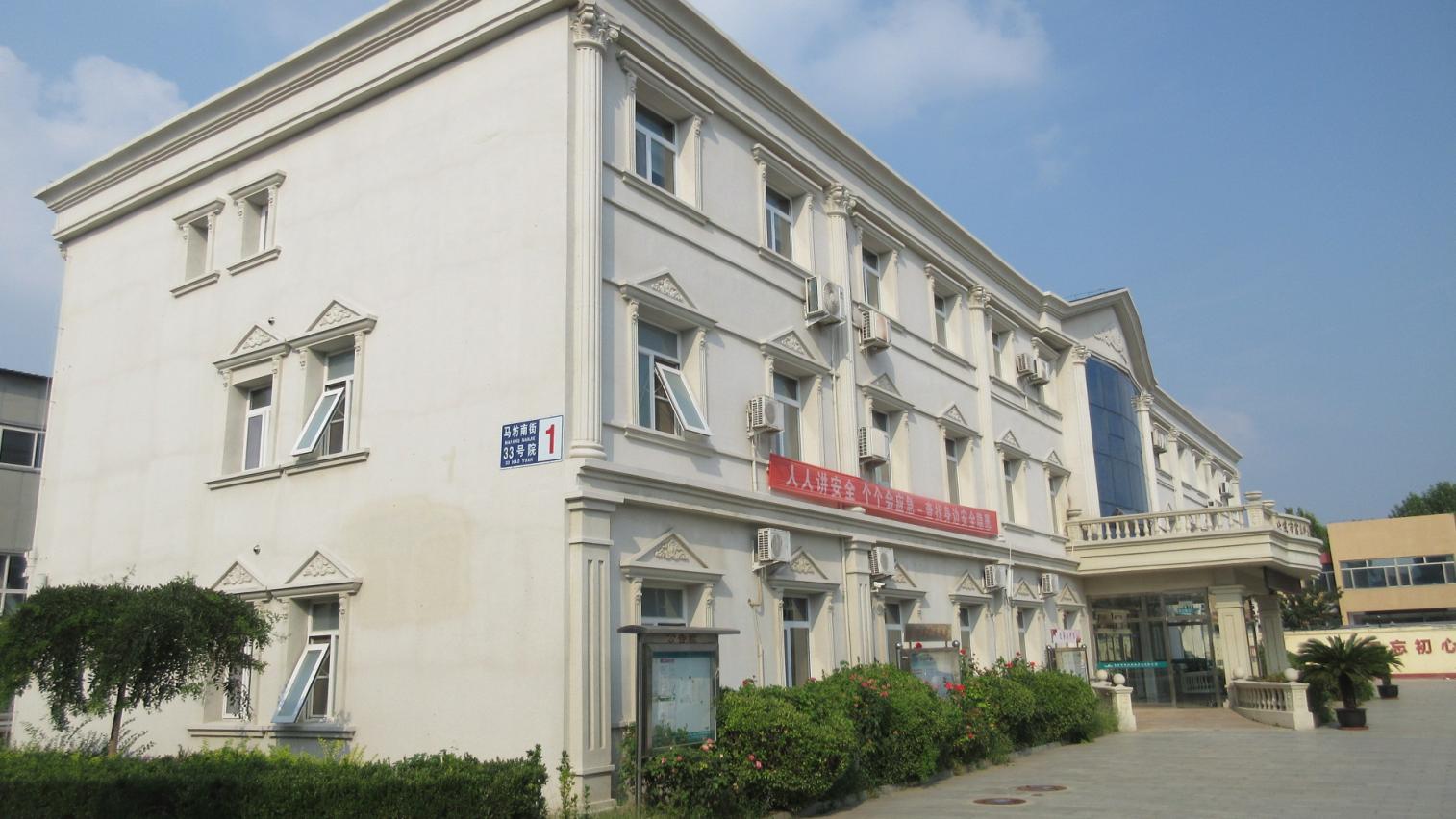
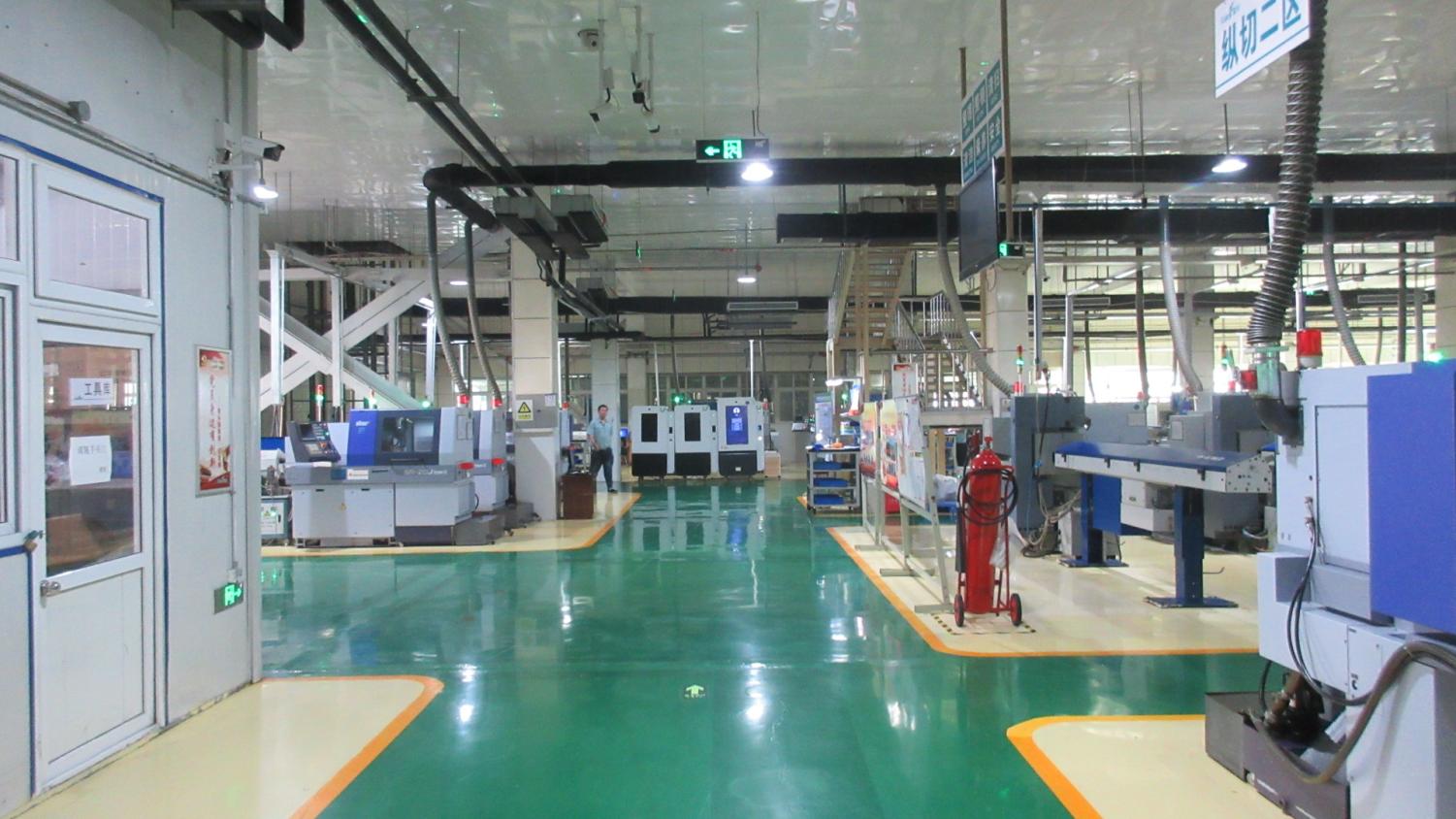
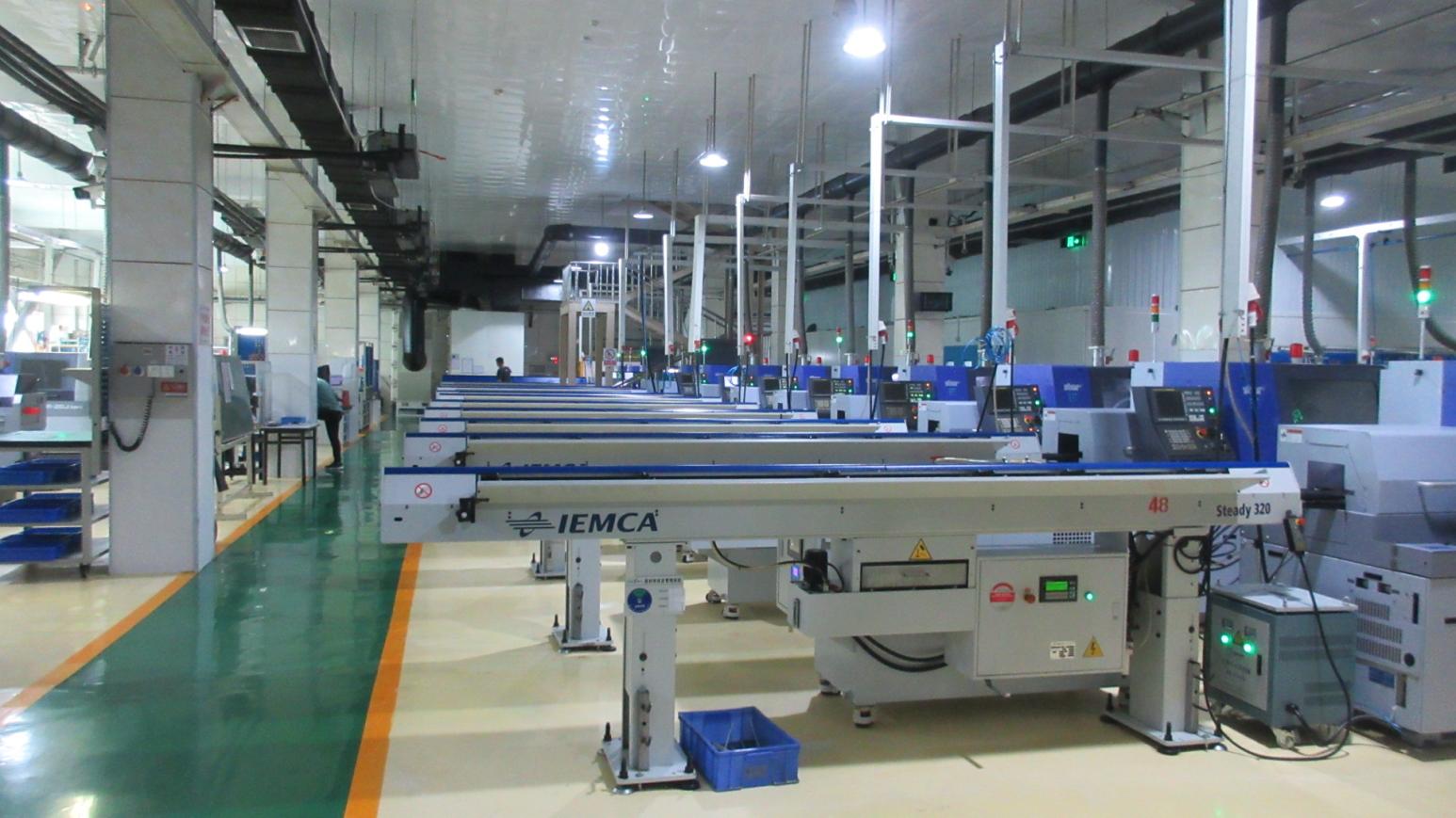
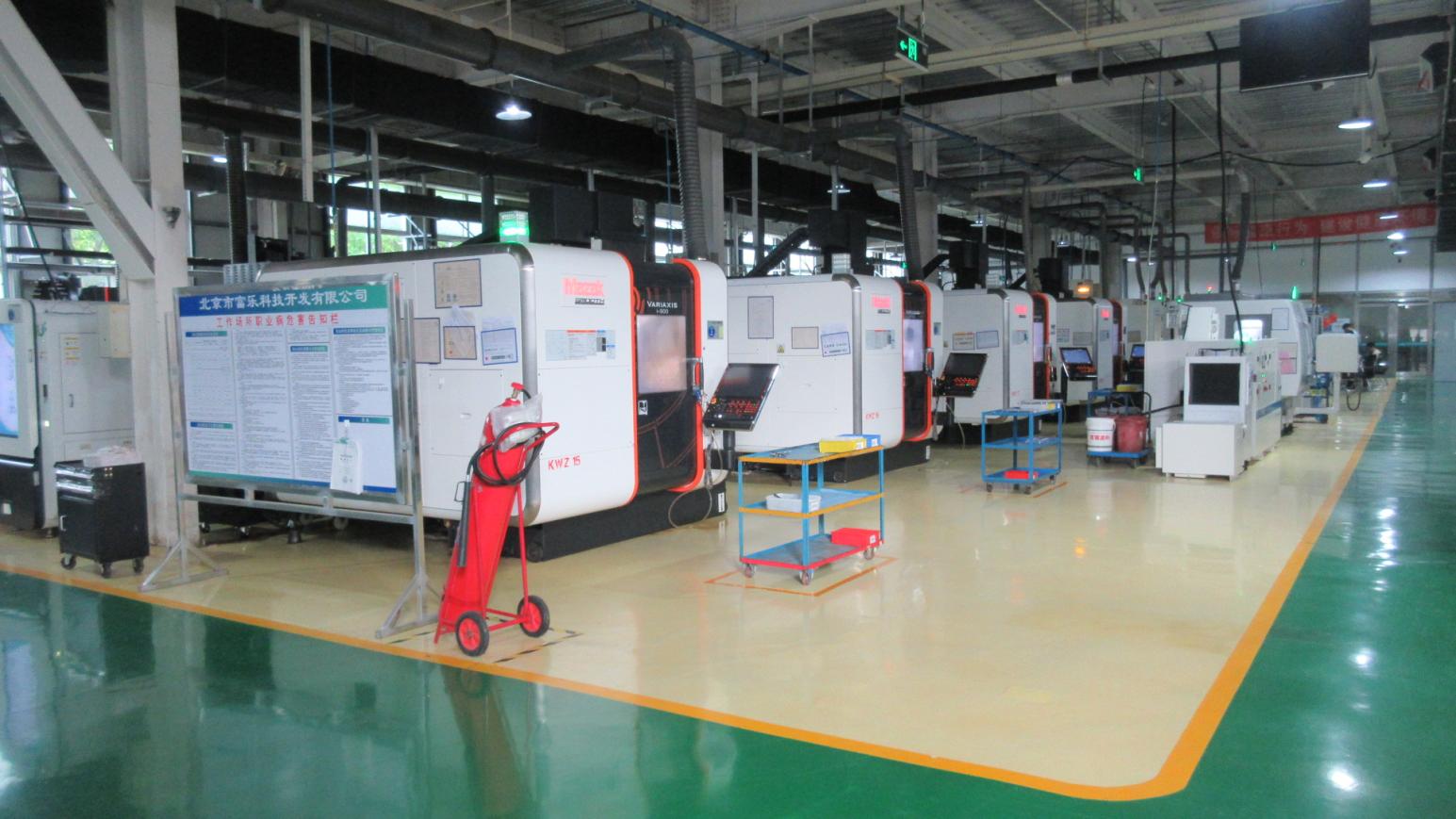
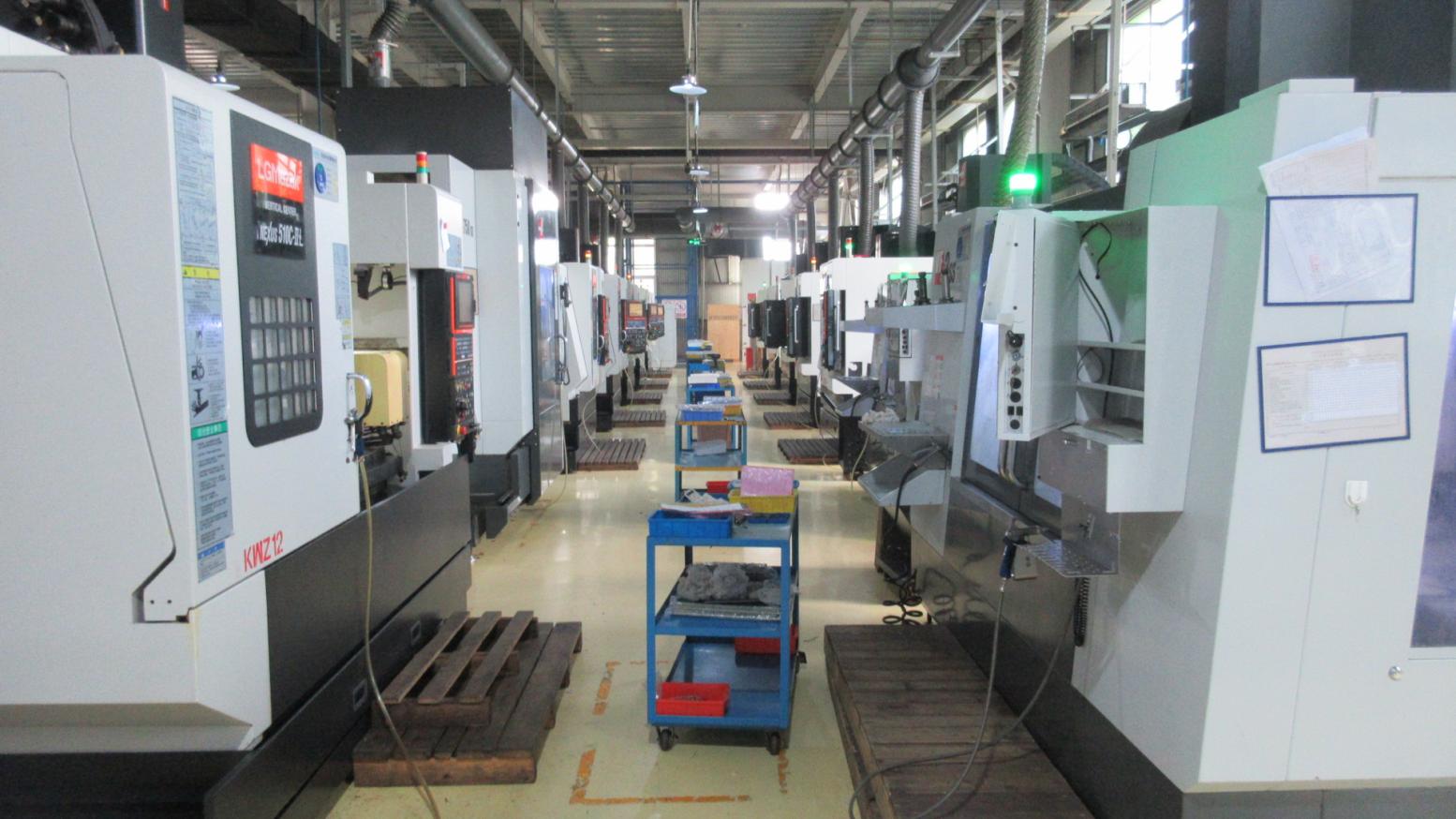
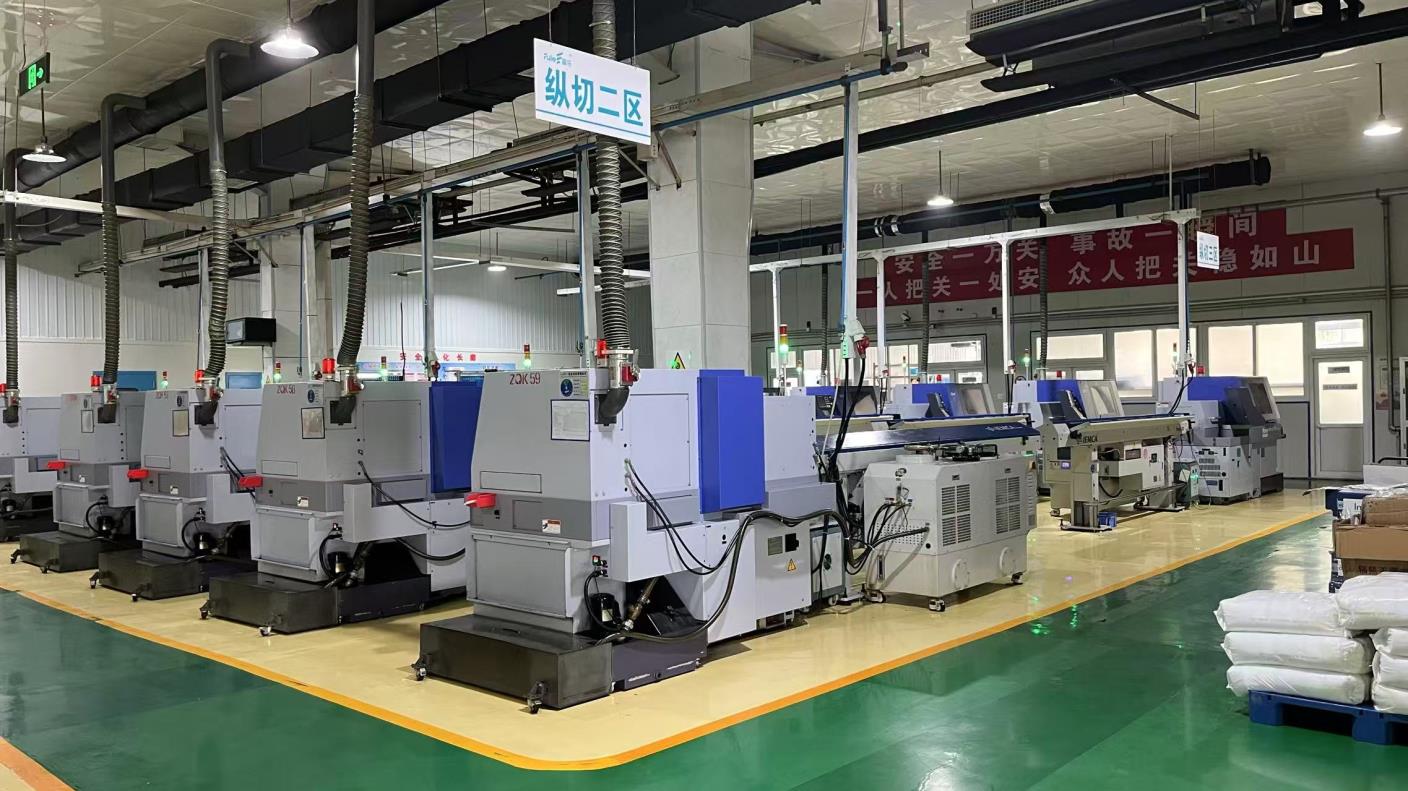
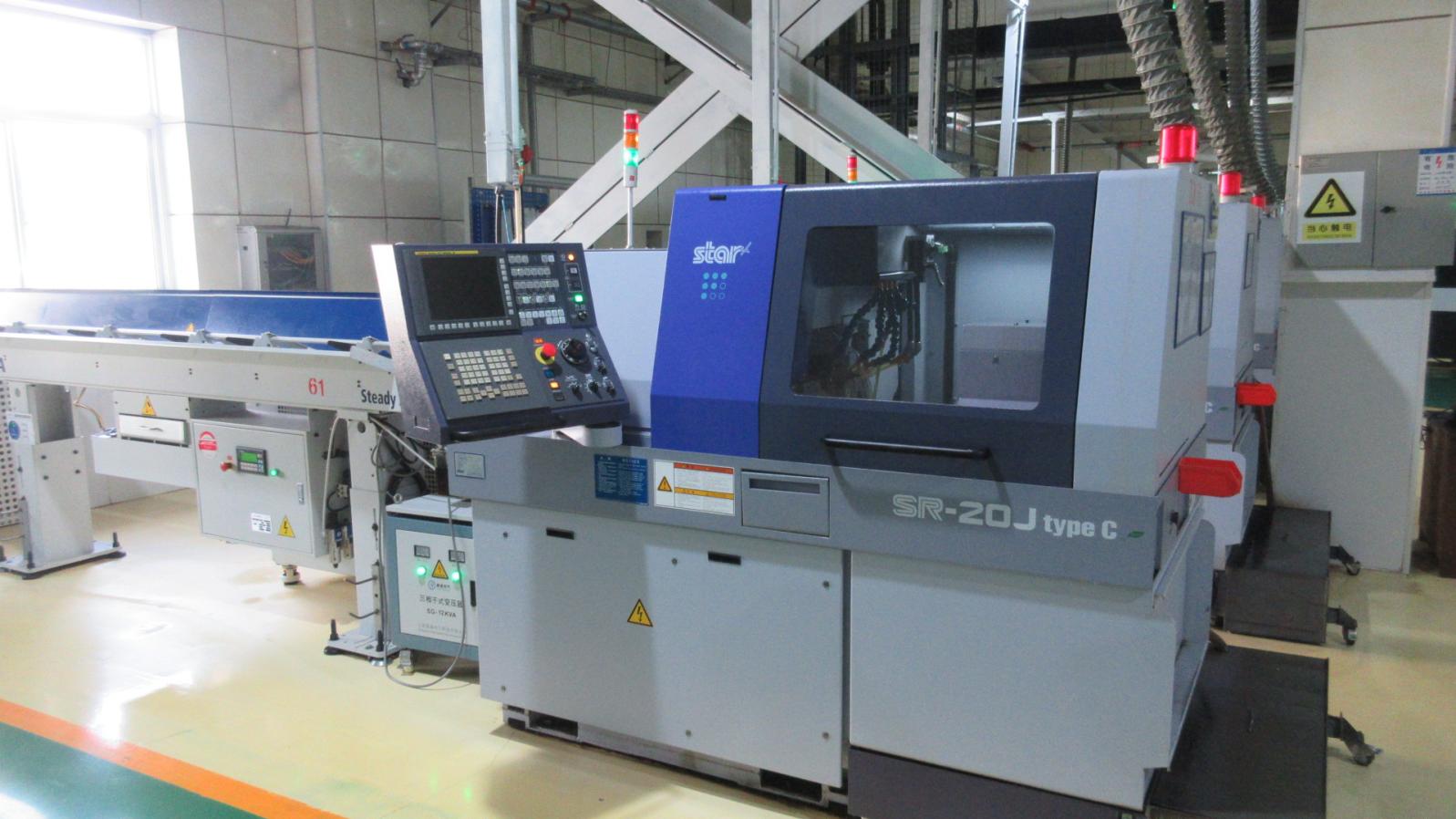
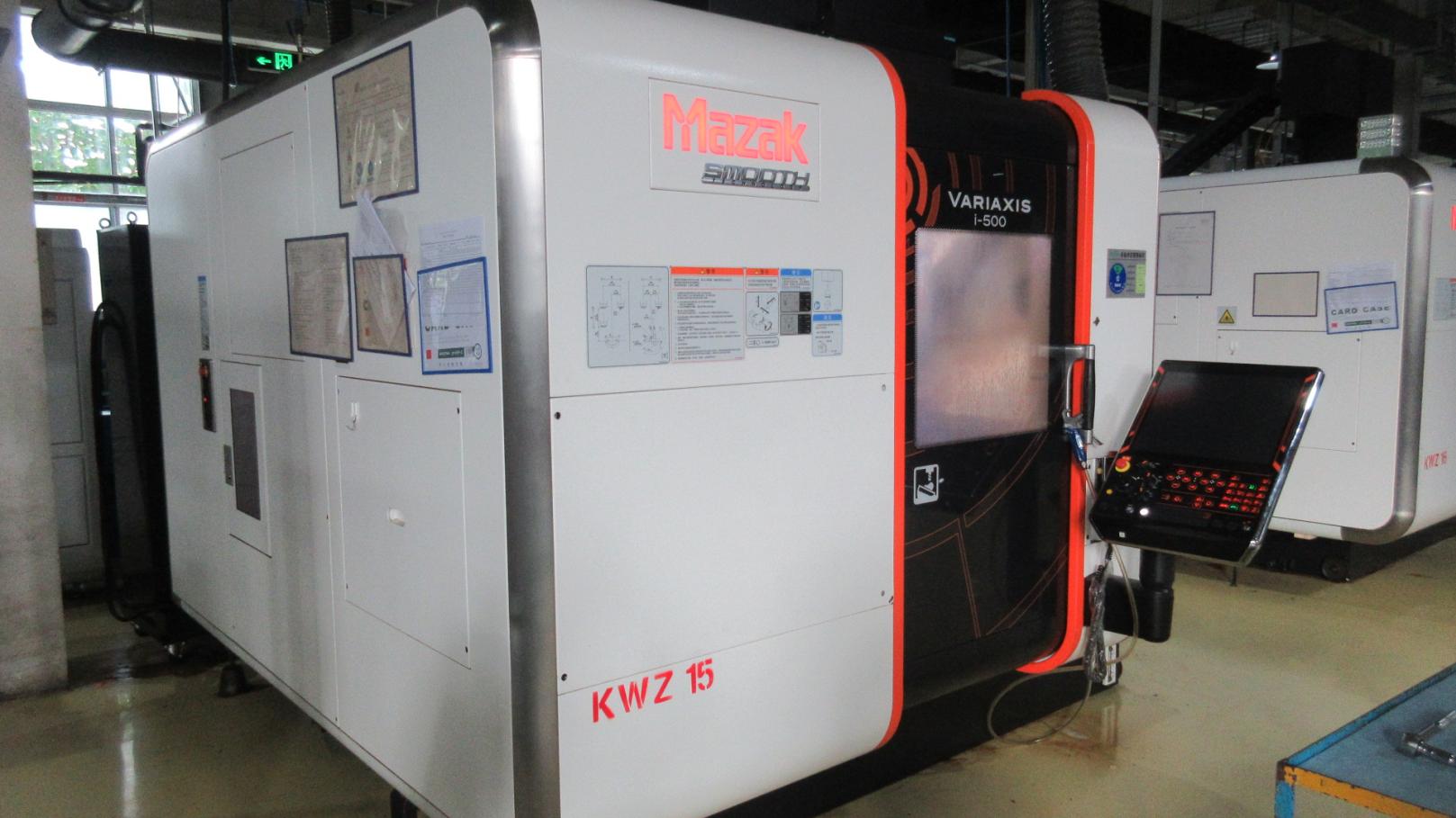
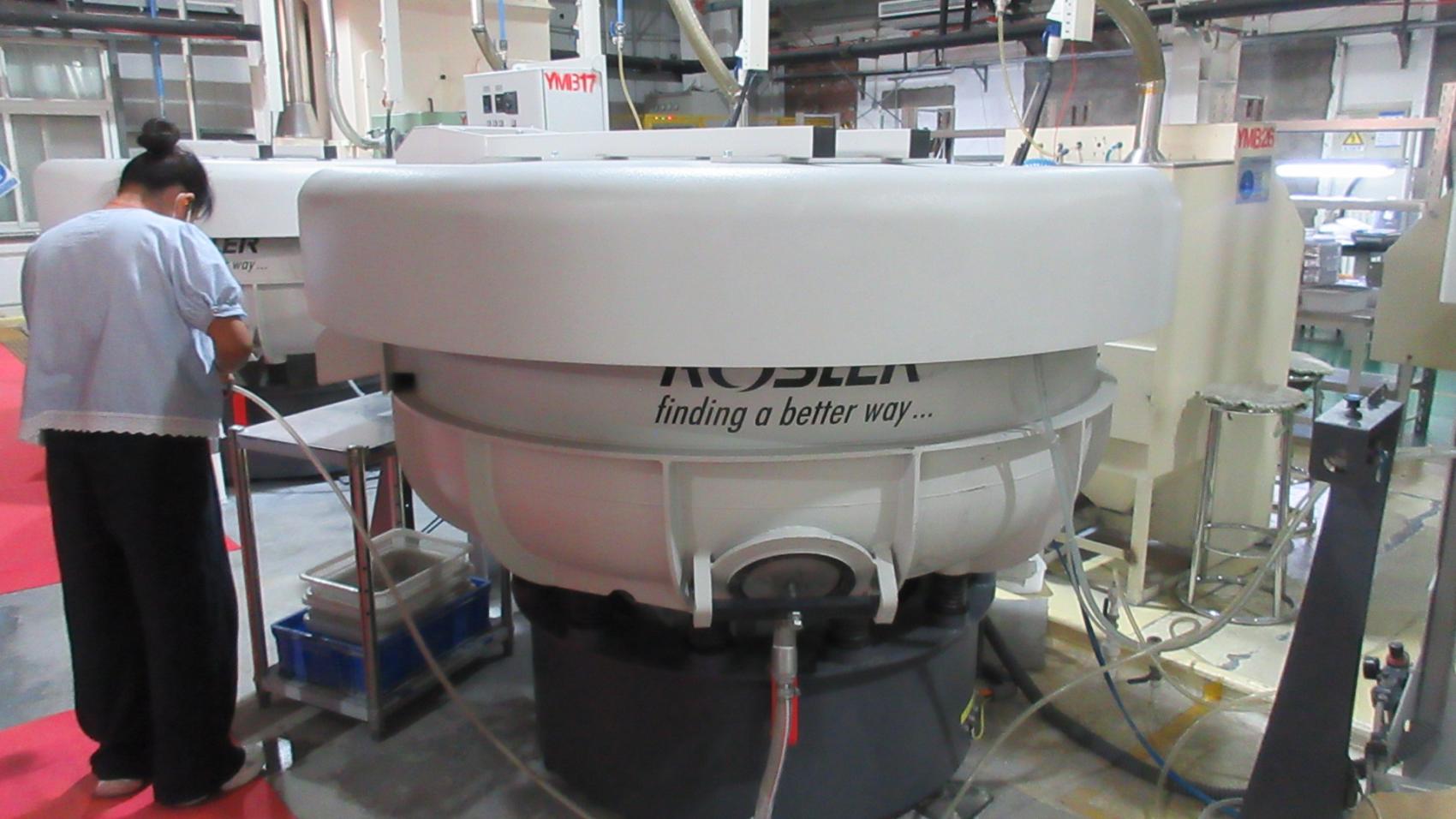
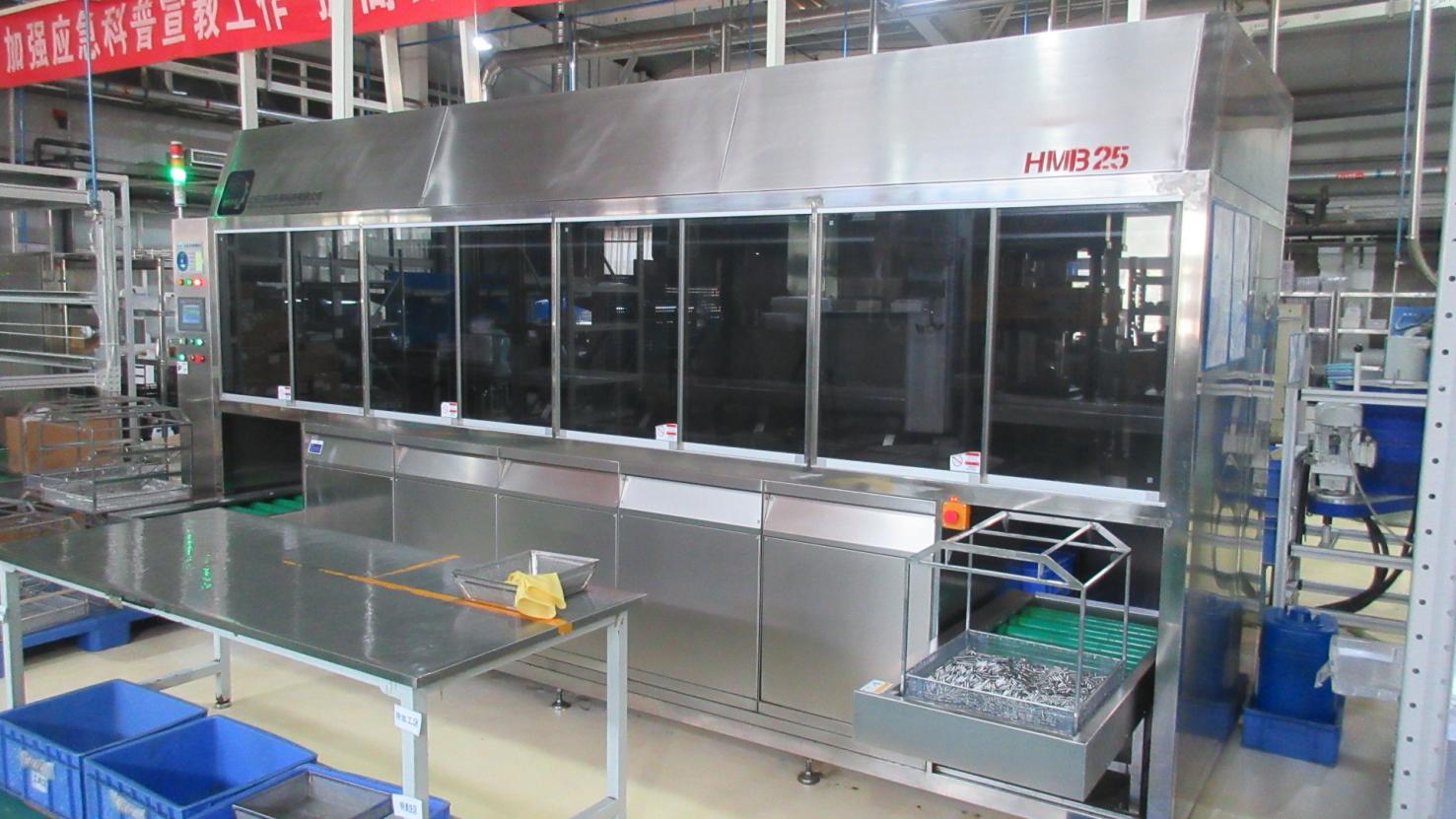
Our manufacturing facility features a 10,000-square-meter modern production area, built to meet stringent international standards. Equipped with over 102 advanced CNC machines, we ensure consistent tolerances and precise quality across all product lines.
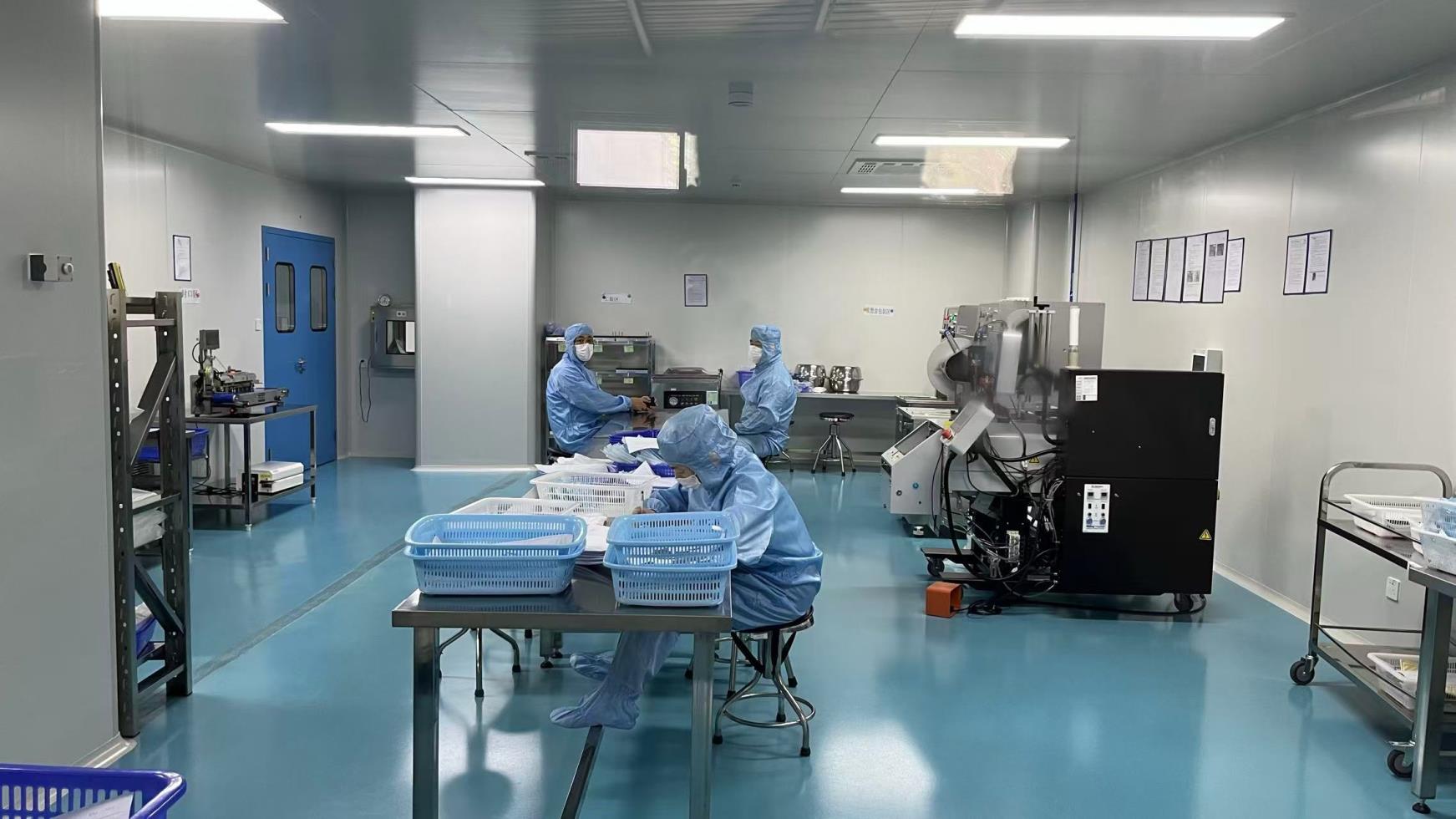
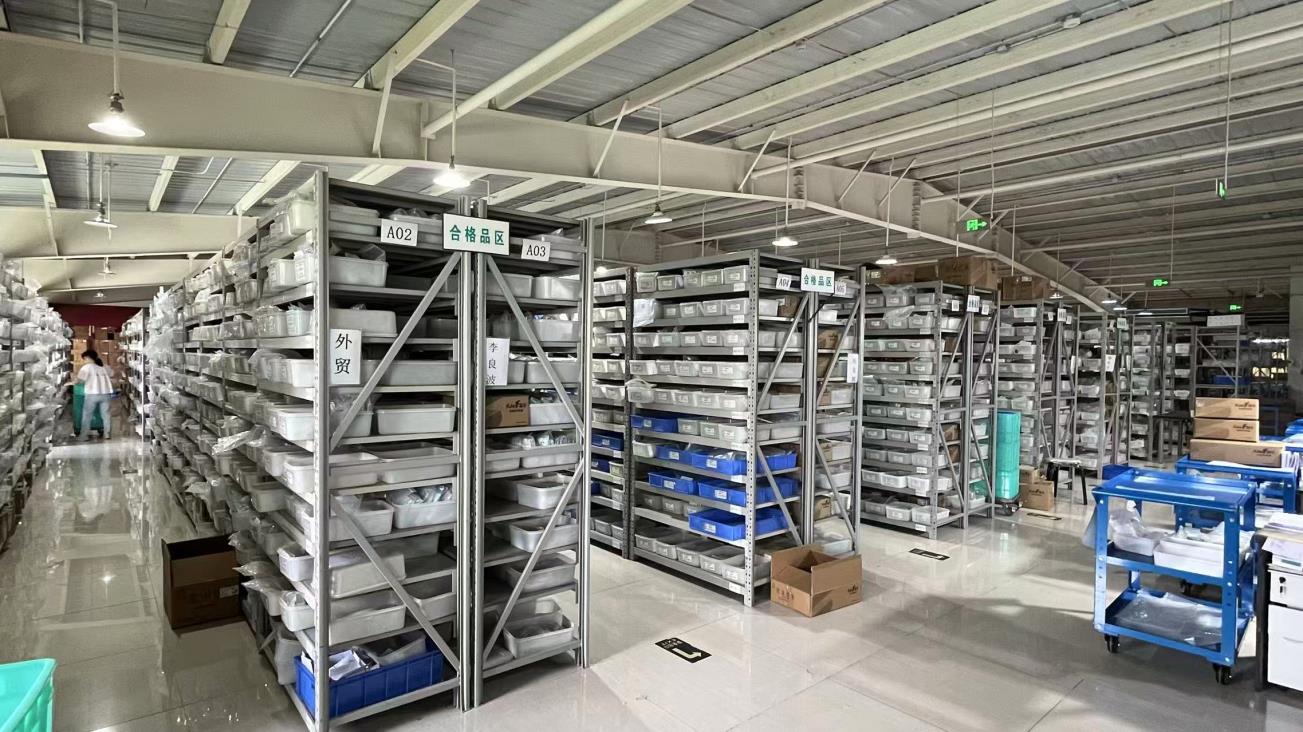
Our complete in-house manufacturing process—from raw material testing to final sterile packaging—improves supply chain stability. This control helps protect clinics in Norway from sudden market disruptions and product shortages.
 ISO13485 Certified
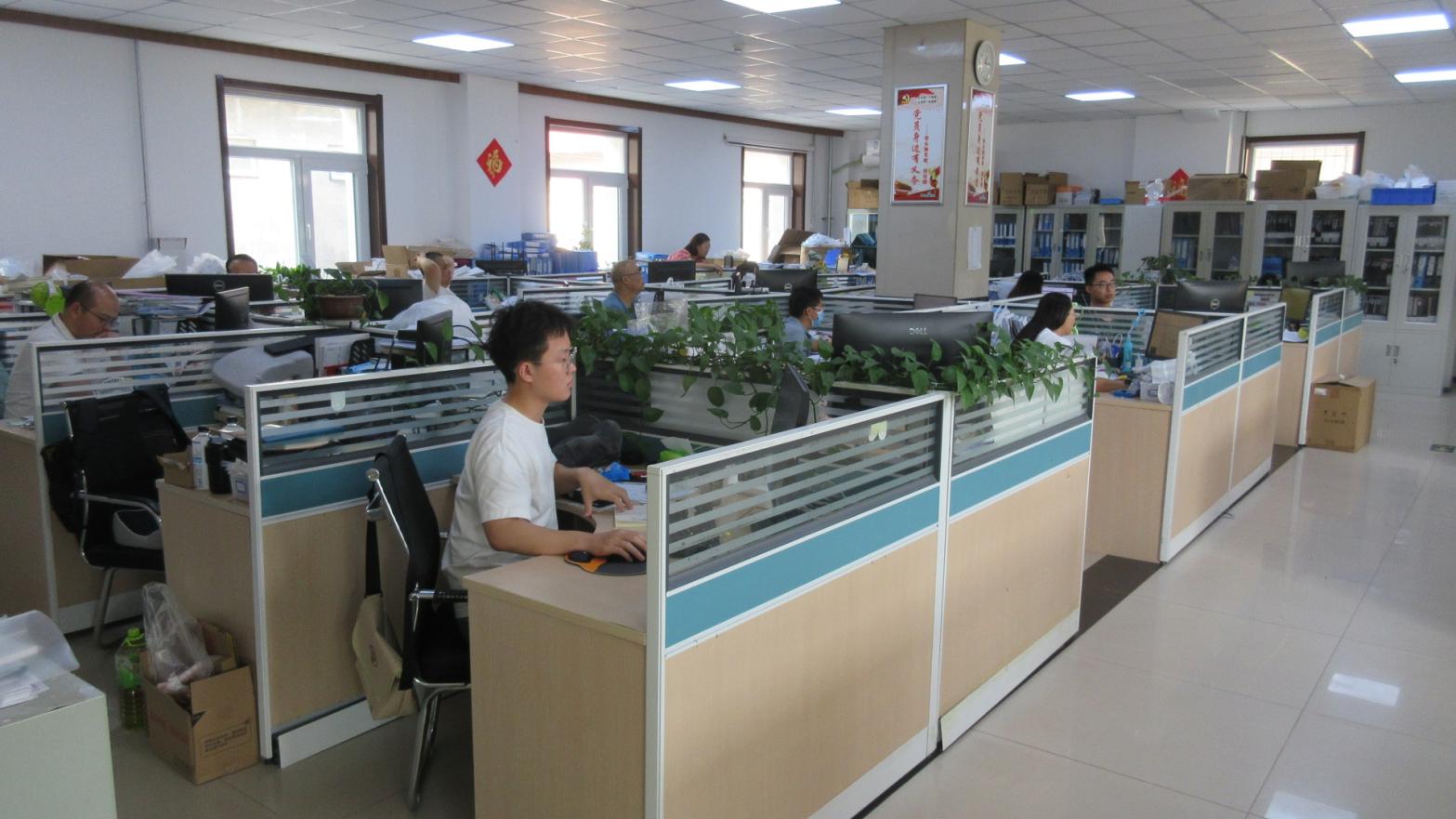
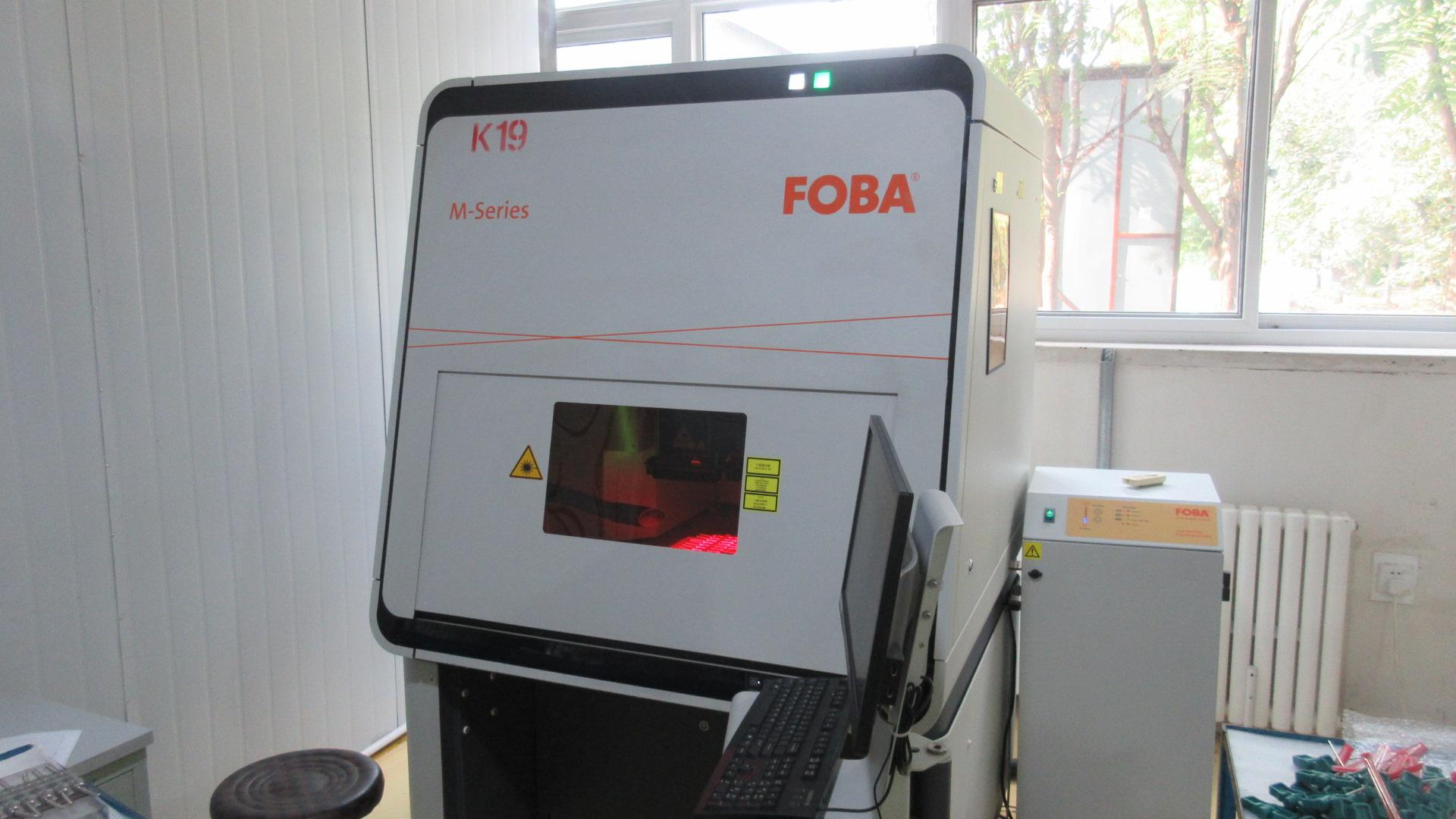
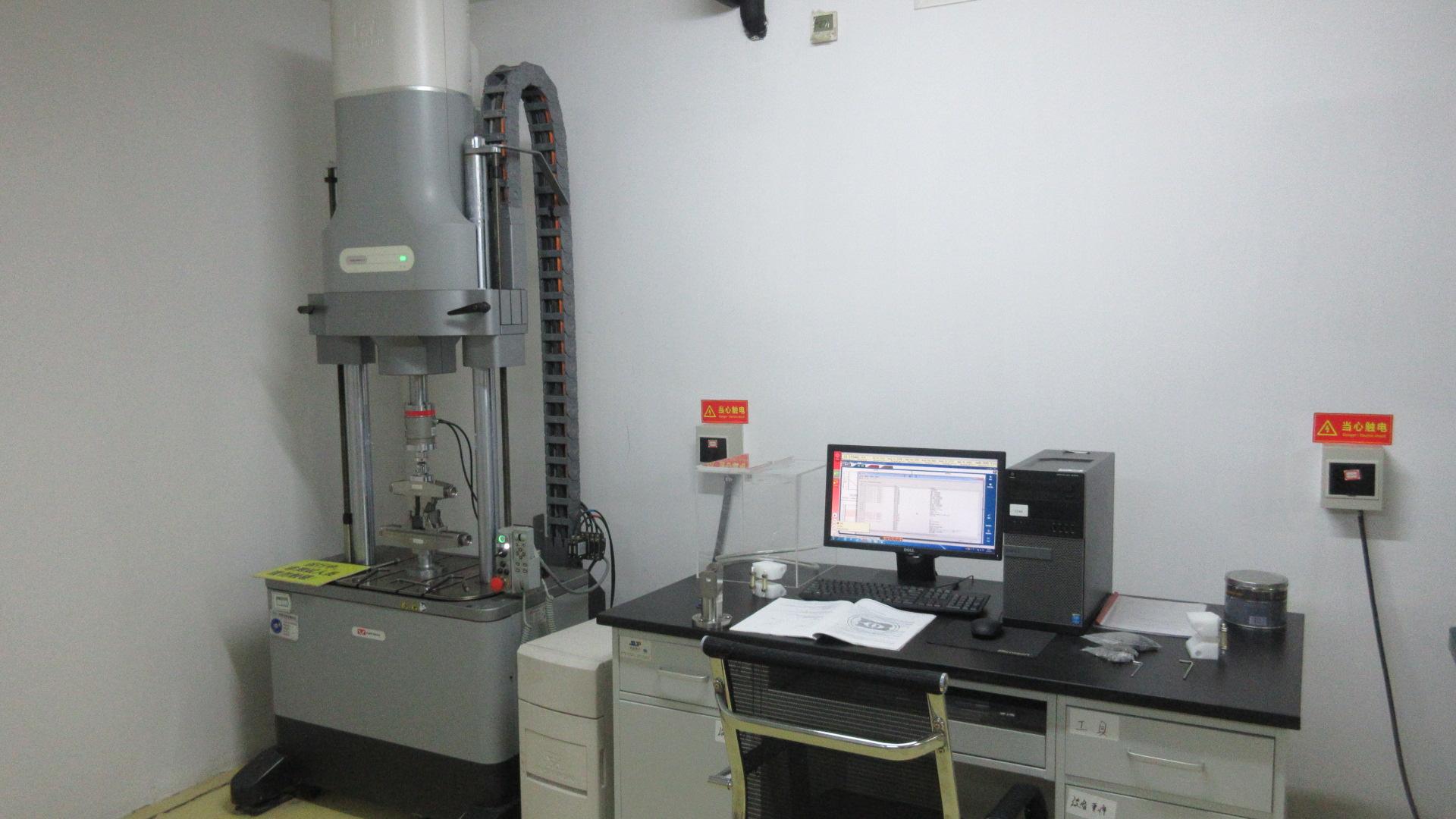
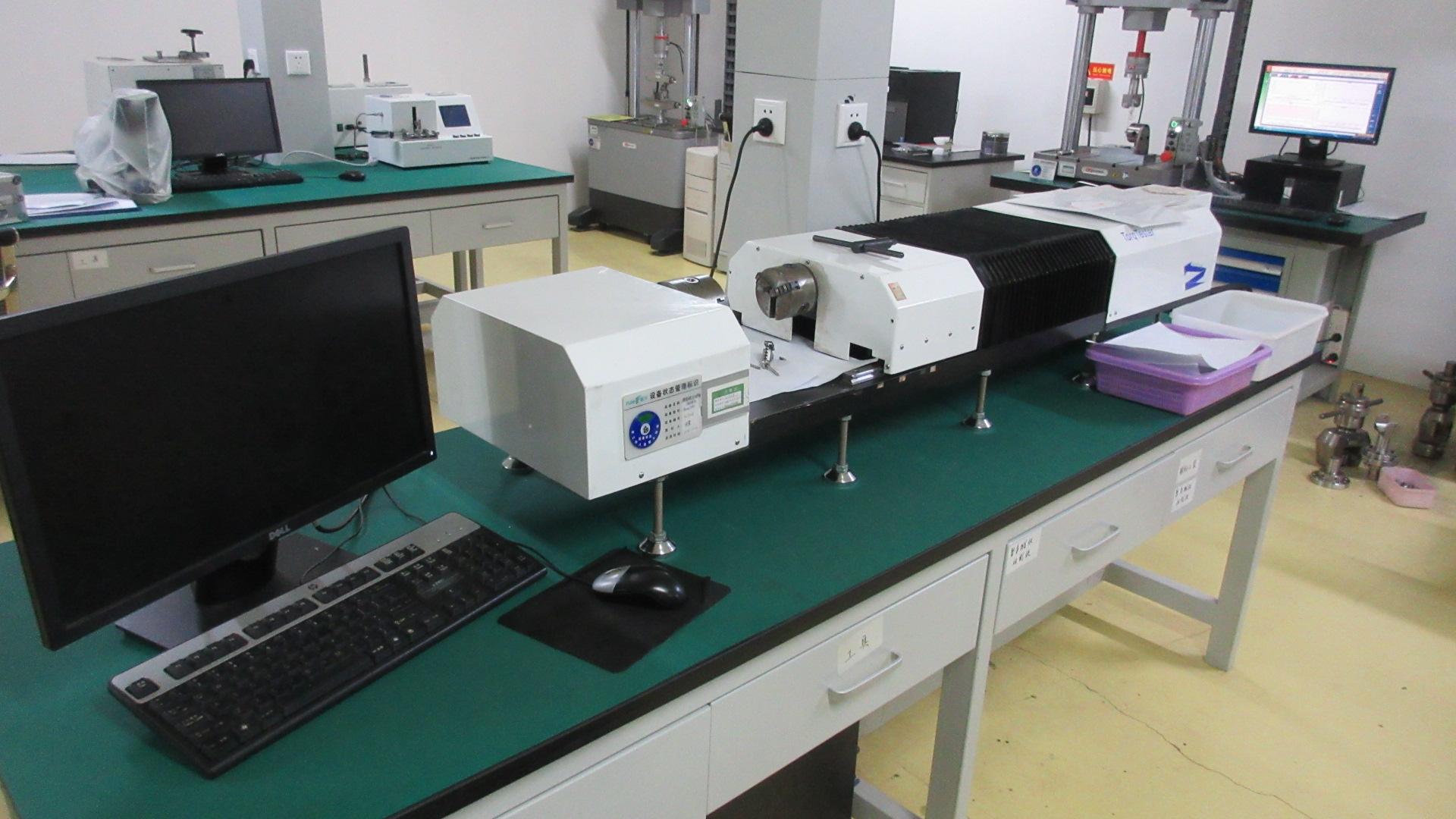
Take a look inside our manufacturing processes, including cleanroom packaging and CNC machinery.
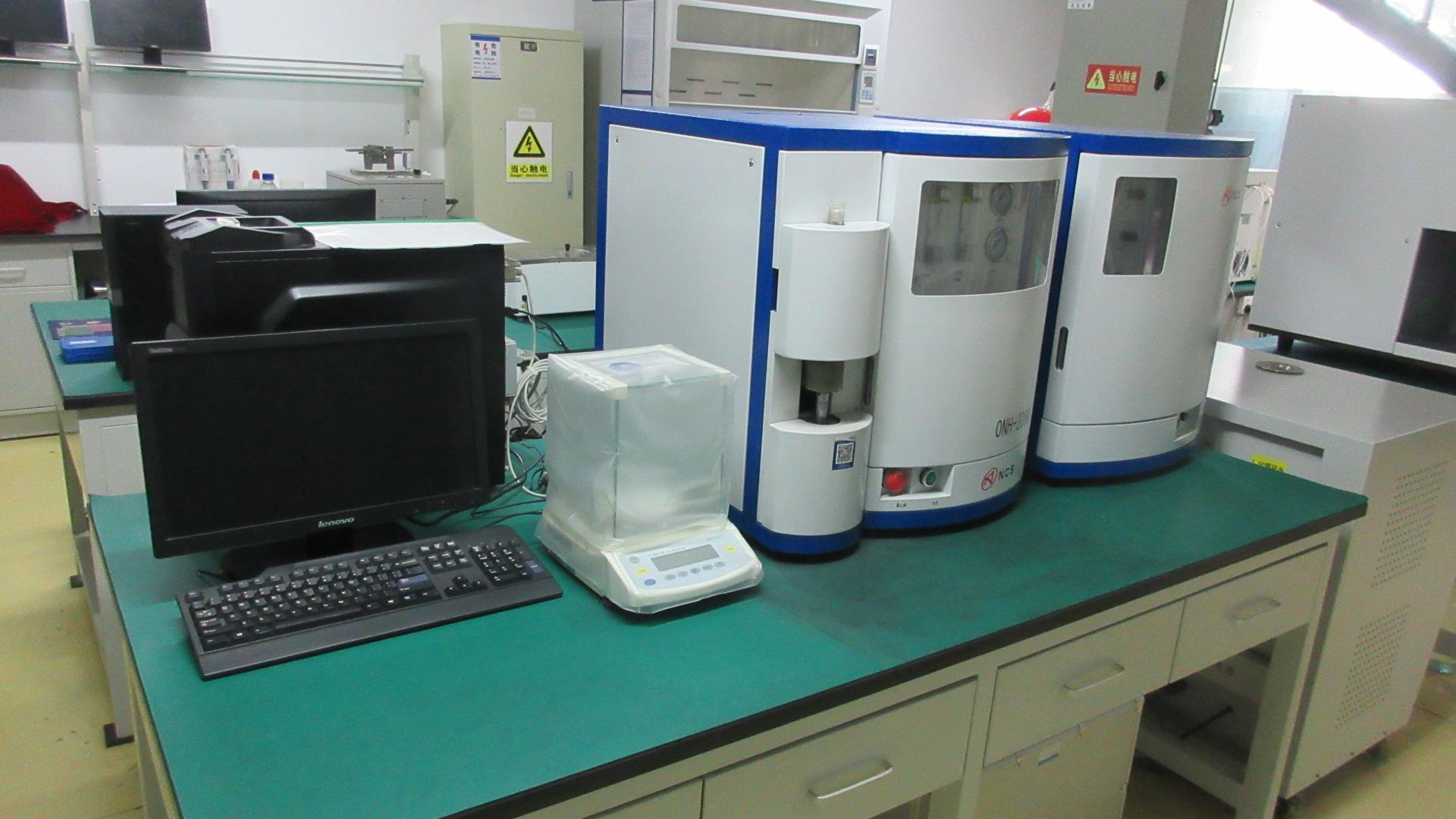
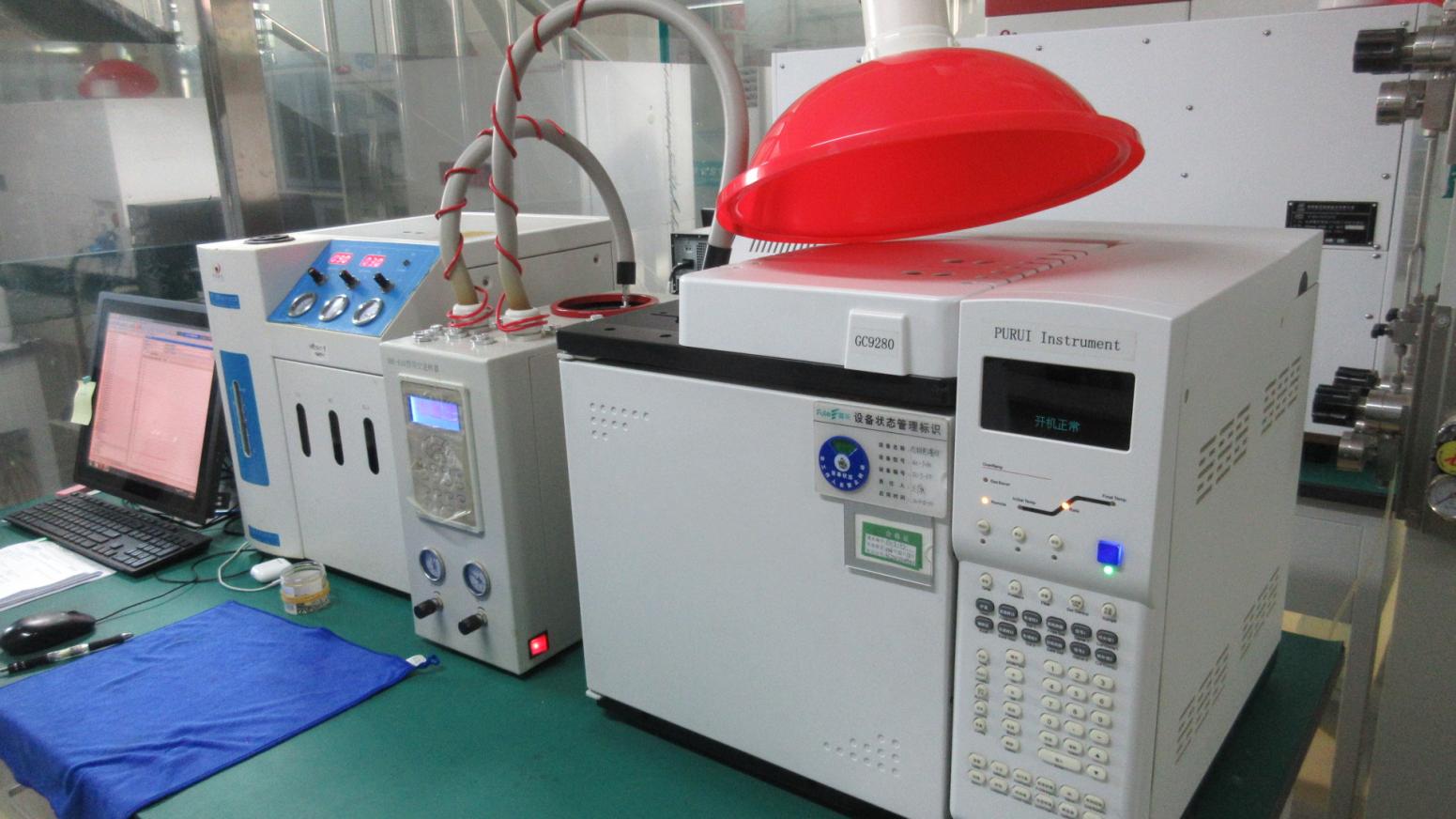
Essential information regarding regulatory compliance, customized configurations, and surgical use.
Our spinal stabilization systems are manufactured in compliance with ISO 13485 standards. We carry out 100% inspection of products and provide full raw material traceability reports. The CE certificate for our systems is maintained in alignment with European medical device regulations.
Yes. We support custom processing based on specific design files or mockups, allowing hospitals to adapt implants to unique anatomical requirements. Our design team coordinates with clinical engineers to adjust screw profiles, rod dimensions, and plate geometries.
Implants undergo dynamic fatigue testing and static mechanical evaluation on simulation rigs. We check for yield strength, pull-out resistance, and run-out fatigue thresholds. These tests help ensure that constructs can withstand physiological loading in the occipitocervical-thoracic junction.
We maintain dedicated inventory for common configurations and ship urgent items via international express providers like DHL and FedEx. Standard processing and delivery typically take 7 to 10 working days, helping support clinics with planning and logistics.
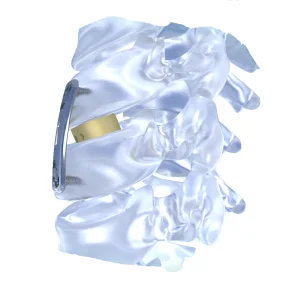
Standardized implant selections designed for multi-segment spinal stabilization procedures.
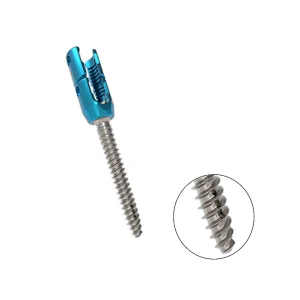
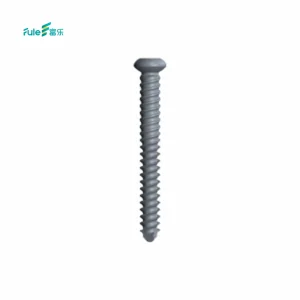
Request clinical evaluation samples, mechanical testing databases, or customized product specifications for your department's review.
Send Inquiry Now Beren Science & Technology