Switzerland stands as a global beacon for high-precision manufacturing, medical technology, and stringent healthcare requirements. The Swiss orthopedic and trauma surgery landscape demands implants that meet uncompromising mechanical and biological specifications. As clinical centers across Zurich, Bern, and Geneva handle complex pelvic ring disruptions and acetabular fractures, the need for top-tier pelvic reconstruction solutions has never been more critical.
Whether navigating the regulatory landscape overseen by Swissmedic or ensuring compliance with the updated EU Medical Device Regulation (EU MDR), manufacturers and suppliers must deliver flawless performance. This industrial whitepaper explores the technological frameworks, global manufacturing insights, and high-performance product portfolios available for Swiss surgical environments.
Our pelvic systems are engineered to facilitate anatomical reduction, dynamic compression, and stable internal fixation, ensuring optimal recovery pathways for trauma cases involving high-energy impacts and geriatric osteoporotic fractures.
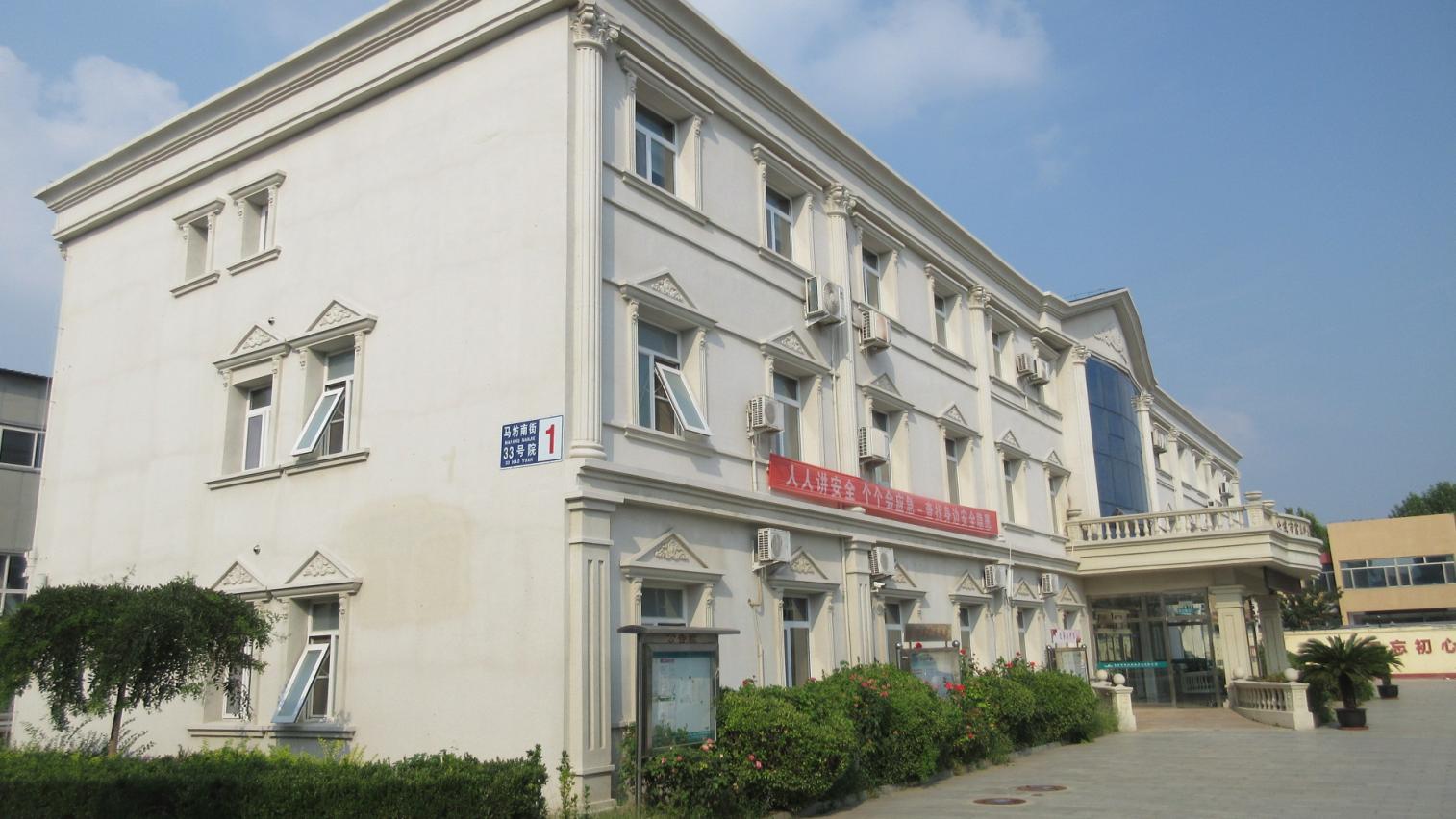
Engineered for high mechanical stability and absolute biocompatibility, these core products form the foundation of our trauma and spinal reconstructive offerings for Swiss distributors and healthcare facilities.
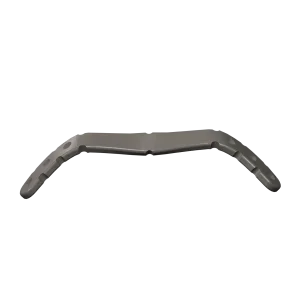
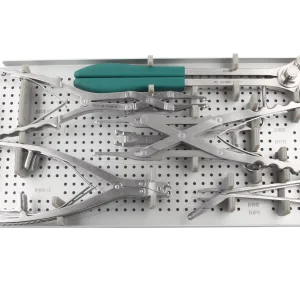
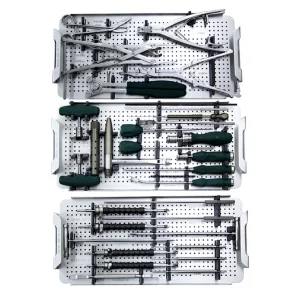
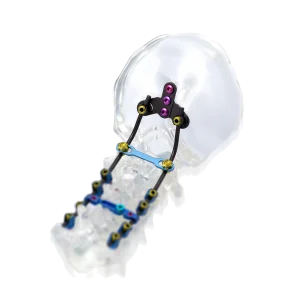
A comparative look at regulations, product requirements, and sourcing parameters shaping the orthopedic market.
Globally, the market for pelvic and orthopedic trauma devices is expanding rapidly. Driven by traffic accidents, sports injuries, and a growing geriatric population, the orthopedic sector is shifting toward micro-invasive techniques. However, the Swiss market maintains a unique profile. While global markets often prioritize speed-to-market and baseline cost reduction, Switzerland prioritizes durability, absolute traceability of raw materials, and precise anatomical pre-contouring.
Additionally, Swiss surgeons are at the forefront of digital healthcare integration, relying on hybrid OR solutions and pre-operative 3D modeling. Implants shipped to Switzerland must align with these advancements, demonstrating flawless mechanical integration with surgical robotics and navigation software.
To succeed in this market, international suppliers must act as technology partners, not just manufacturers. Providing thorough regulatory dossiers, raw material source validation, and robust risk assessment certifications is critical. Our manufacturing framework utilizes imported medical-grade titanium (Ti-6Al-4V ELI) and advanced CNC machining to bridge the gap between high-volume production capabilities and custom Swiss requirements.
Total compatibility with EU MDR and Swissmedic ordinances. All Class III and Class IIb implants carry verified CE marks and comprehensive clinical evaluation reports.
Exclusively sourcing ISO 5832-3 compliant Titanium Alloy. This ensures optimal fatigue strength and excellent osseointegration for permanent reconstructive procedures.
CNC precision machining down to ±5 microns. Standardized hole designs accommodate locking, cortex, and cancellous screws seamlessly during emergency fixation.
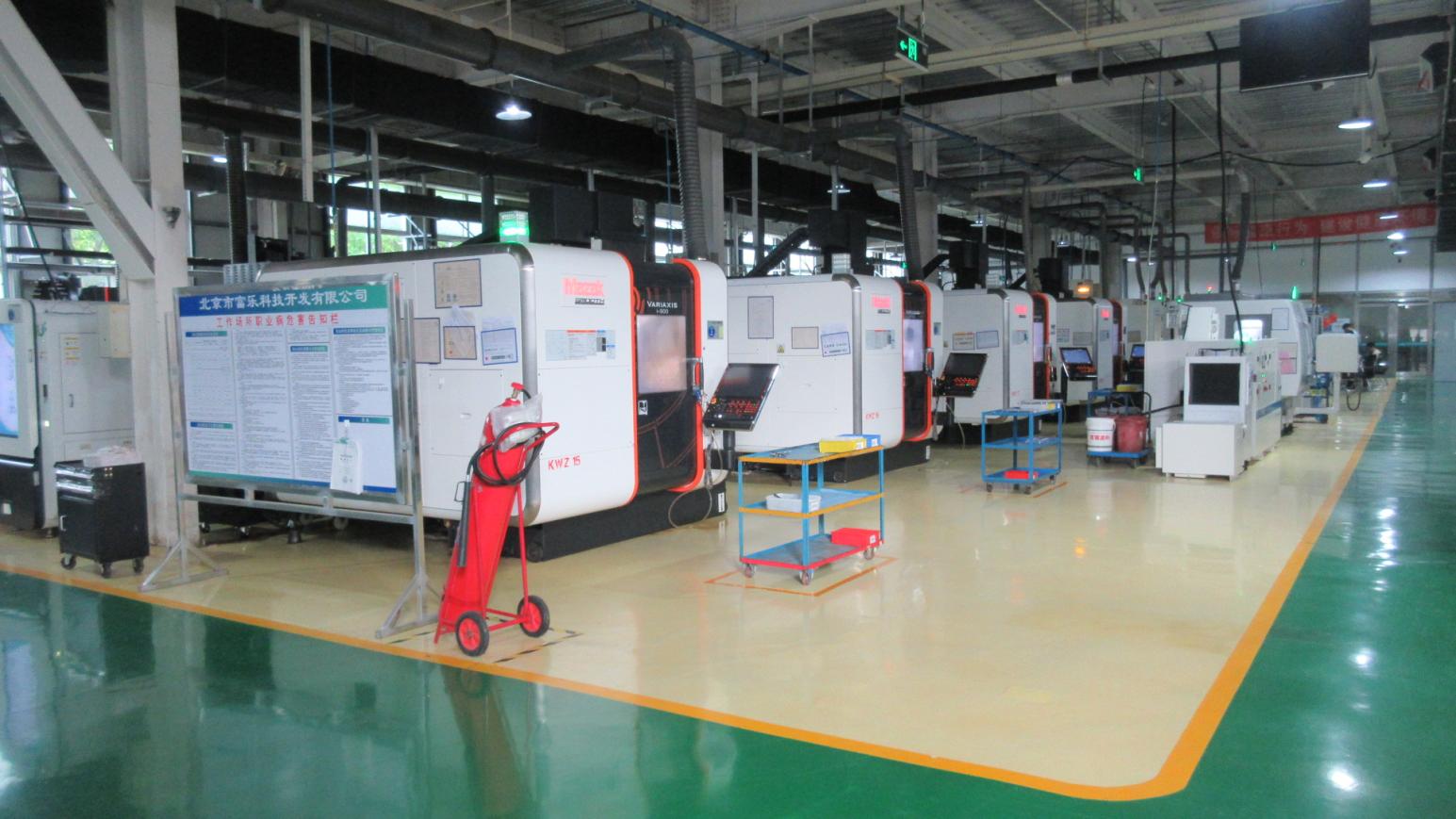
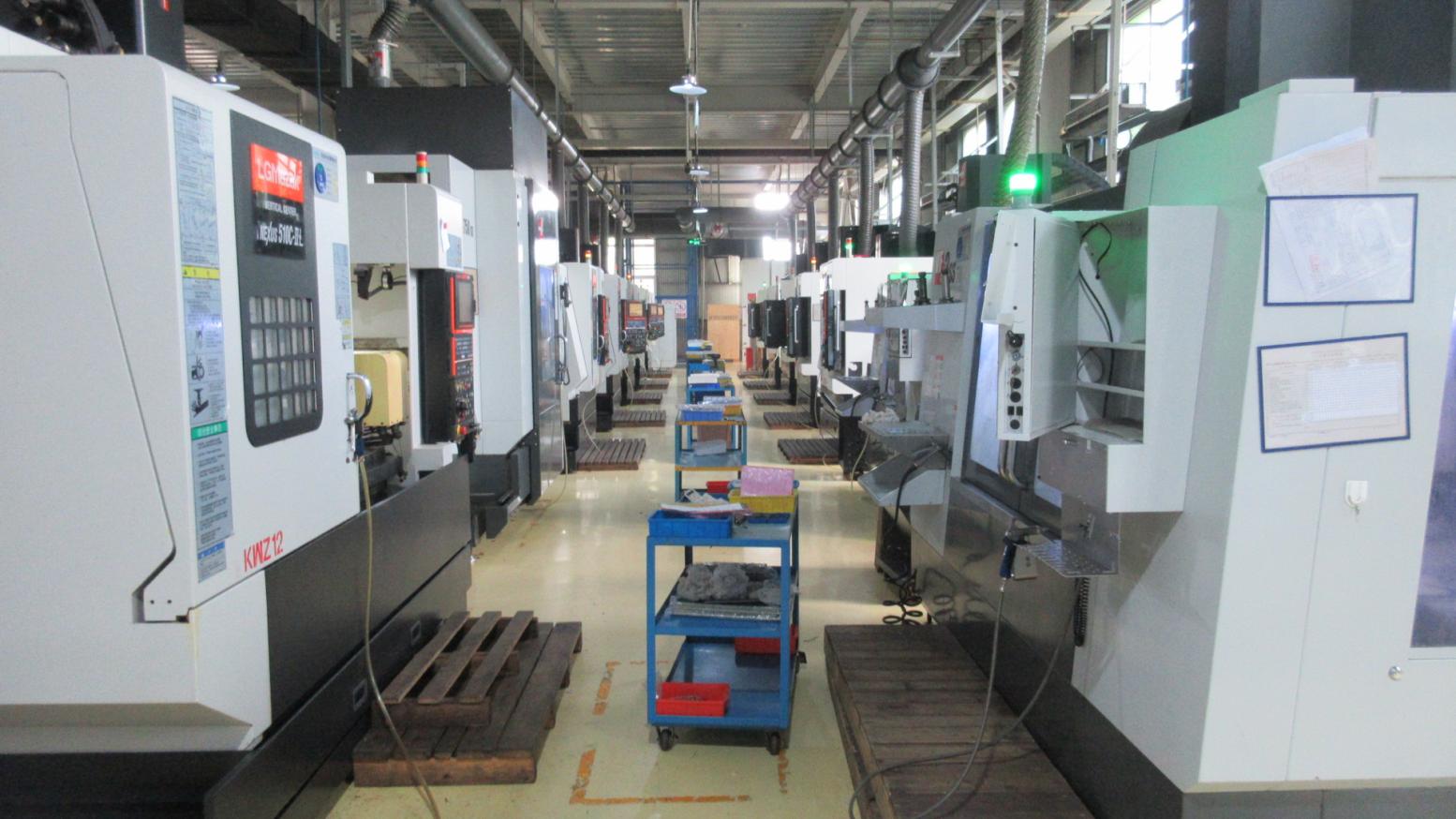
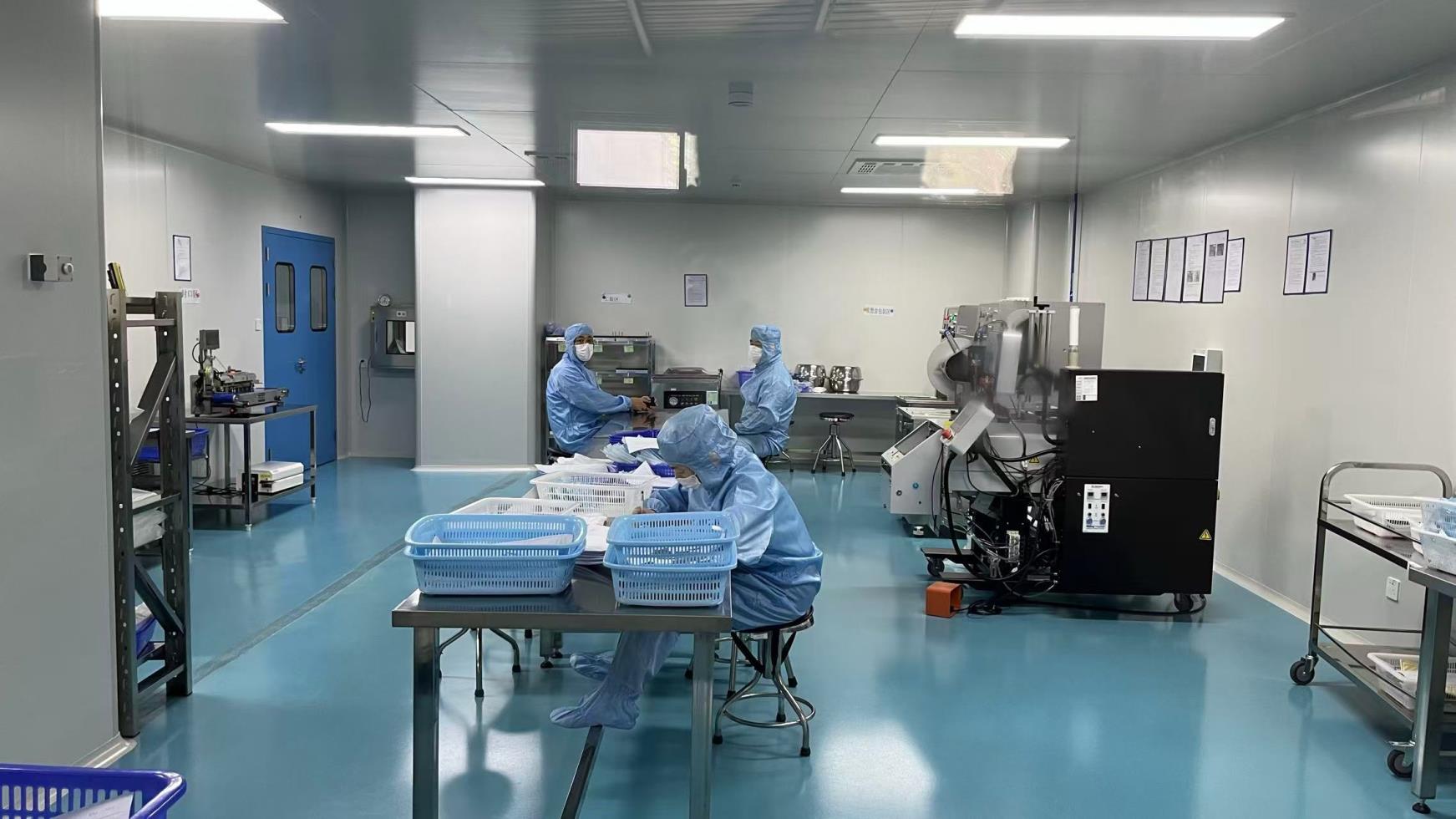
Founded in 1996, our production operations have evolved over 28 years into a highly automated, ISO-certified system. Spanning a 10,000 square meter cleanroom and manufacturing facility, we manage the complete lifecycle of orthopedic implants—from raw medical-grade titanium ingots to sterile, hospital-ready packaging.
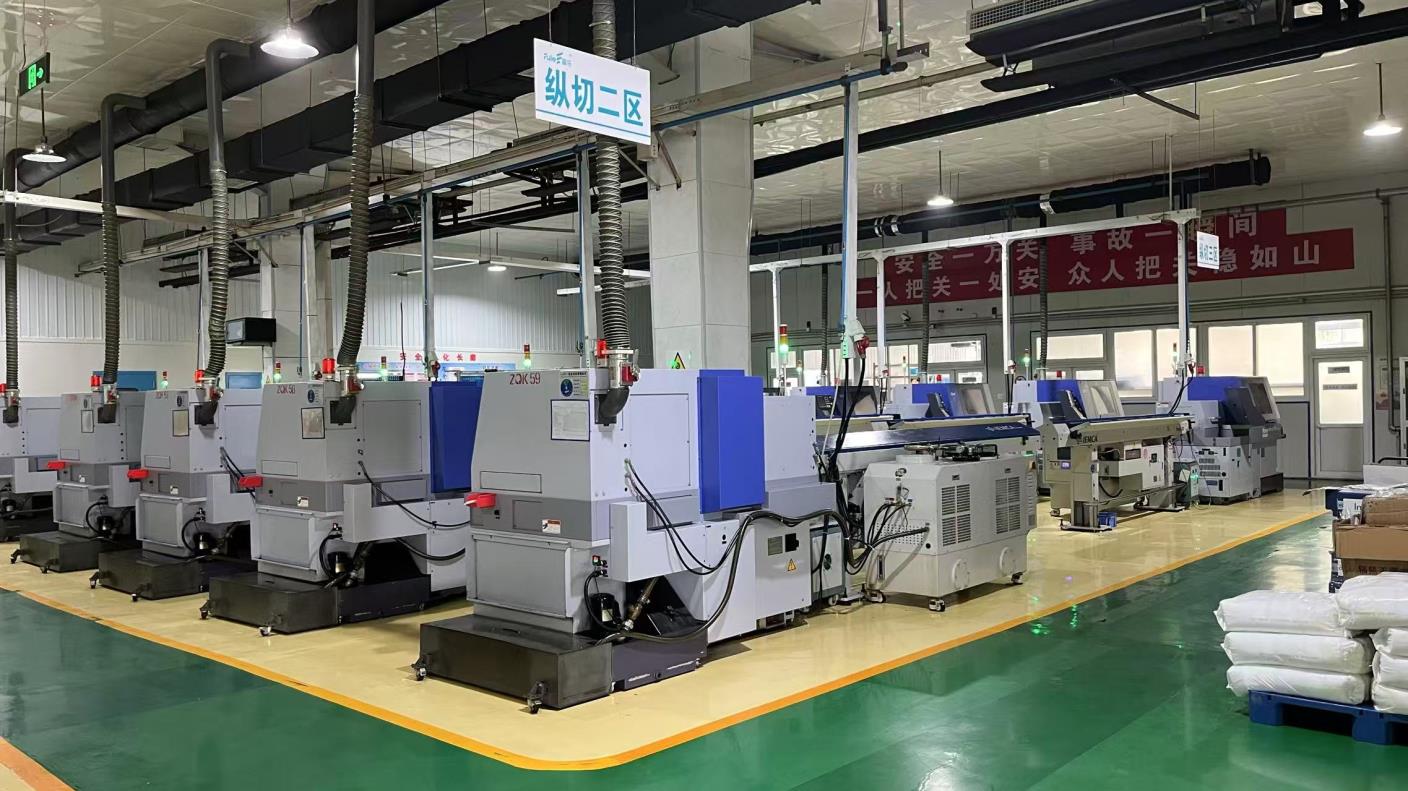
Our facility is equipped with 102 state-of-the-art production machines, including Swiss-type longitudinal turning lathes, multi-axis machining centers, and automated surface polishing systems. This machinery ensures consistent geometric precision for complex anatomical locking plates and low-profile spinal rods.
| Manufacturing & Compliance Credentials | |
|---|---|
| Establishment Year | 1996-06-28 (Over 28 Years Expertise) |
| Production Floor Space | 10,000 m² (ISO Class 7 Cleanrooms) |
| Quality Management System | ISO 13485 Certified (Certificate: 04724Q10000818) |
| Machinery & Tooling | 102 Advanced CNC and Mechanical Machining Units |
| Annual Production Output | 511,000 Sterile Units / Year |
| Dedicated QC Staff | 15 Inspectors conducting 100% finished product testing |
| R&D Personnel | 20 Engineers (15 Graduate level, 5 Technical level) |
| Export Footprint | Active shipping networks across Europe, SEA, and CIS |
Exploring the engineering shifts and material innovations defining the future of pelvic and skeletal fixation.
The roadmap for pelvic and spinal fixation is shifting from standard anatomical shapes to patient-specific, biomechanically optimized structures. By using Finite Element Analysis (FEA) during product design, we simulate stress distribution across pelvic fractures, helping us refine implant geometry to prevent stress shielding and hardware failure.
Additionally, advanced surface modifications are key to reducing infection rates and accelerating bone healing. Techniques like anodic oxidation, acid etching, and bioactive coatings (e.g., hydroxyapatite) improve biocompatibility and promote stronger osseointegration.
Simultaneously, materials science is moving beyond standard titanium. While Ti-6Al-4V ELI remains the gold standard, we are increasingly using carbon-reinforced PEEK polymers for spinal and cervical cages. This material offers an elastic modulus closer to cortical bone, reducing the risk of implant subsidence while providing radiolucent properties for clear post-operative imaging.
Traceable Raw Materials
Post-Market Cleanroom Deviation
Annual New Patents & Designs
Highest Sterile Classification
A gallery detailing our high-precision machining centers, quality assurance rooms, and complete product line-up.
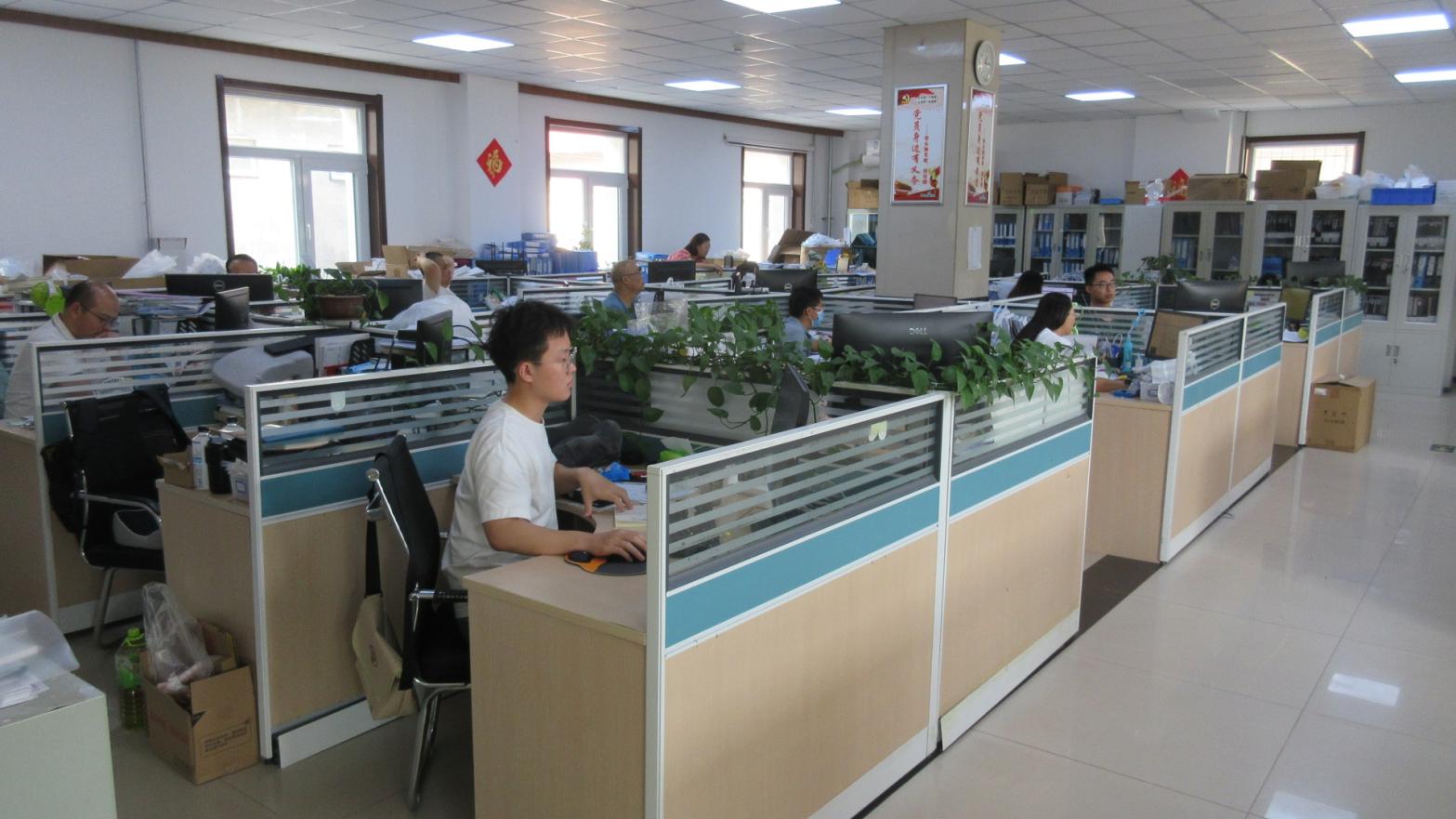
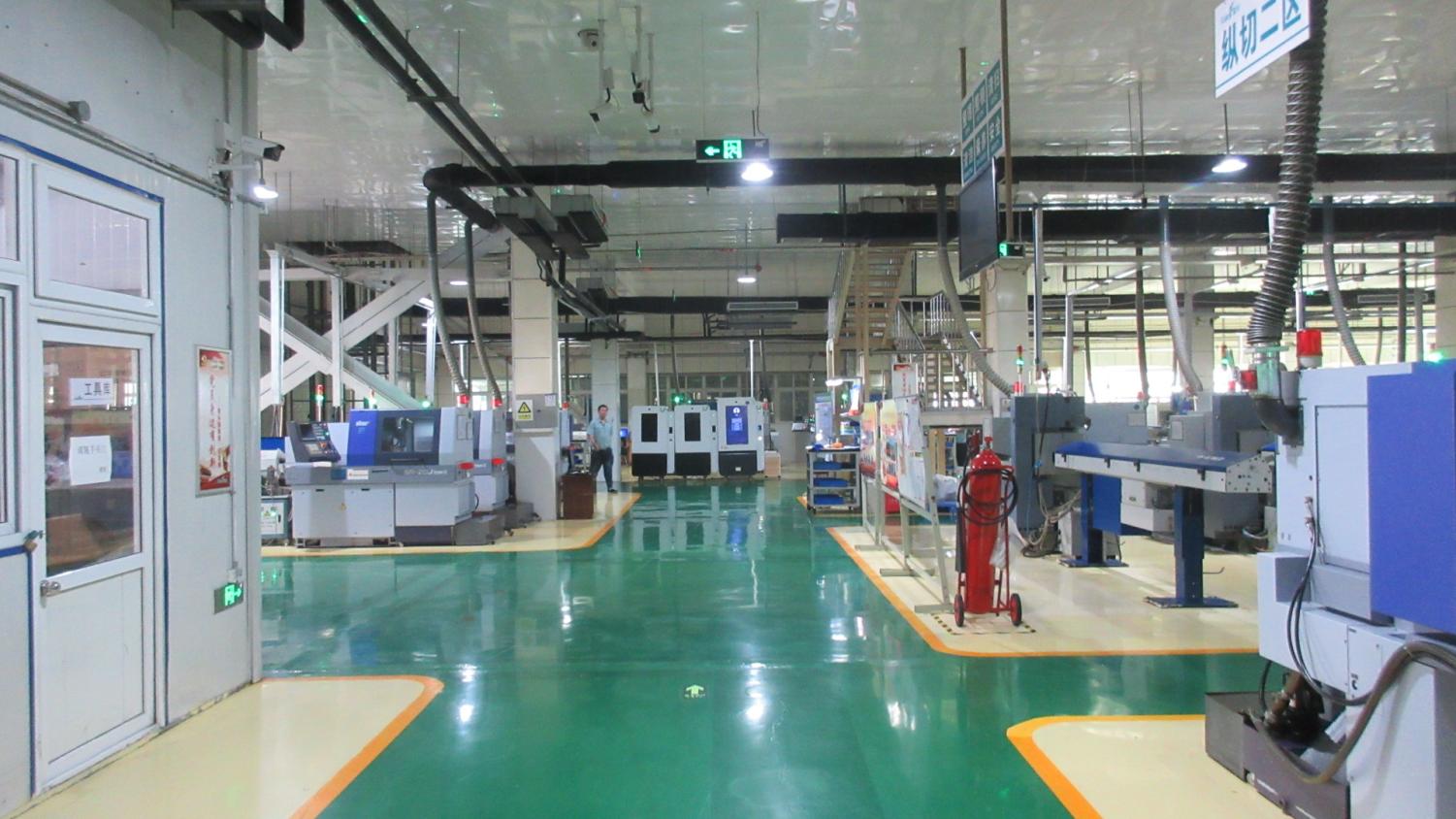
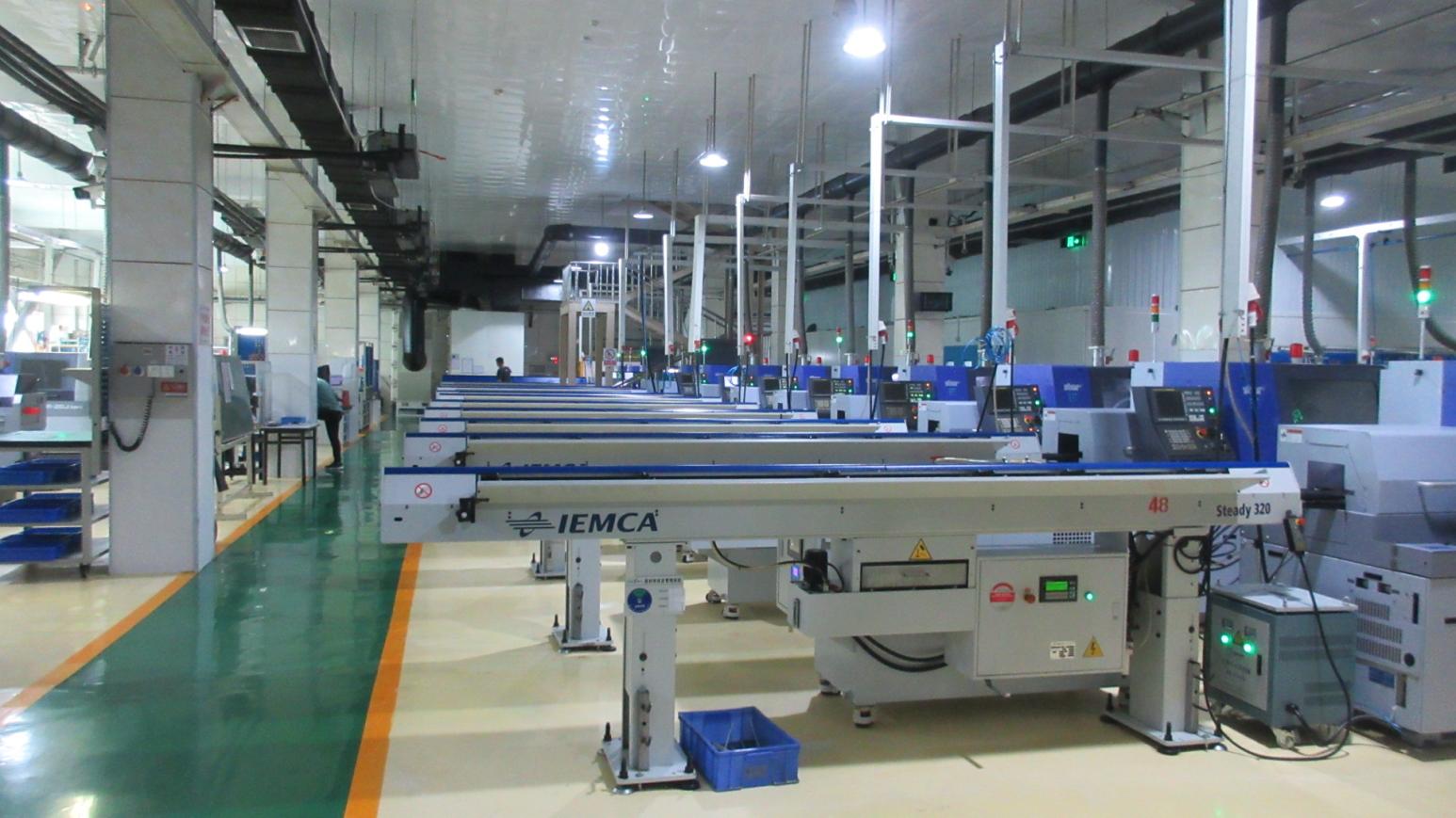
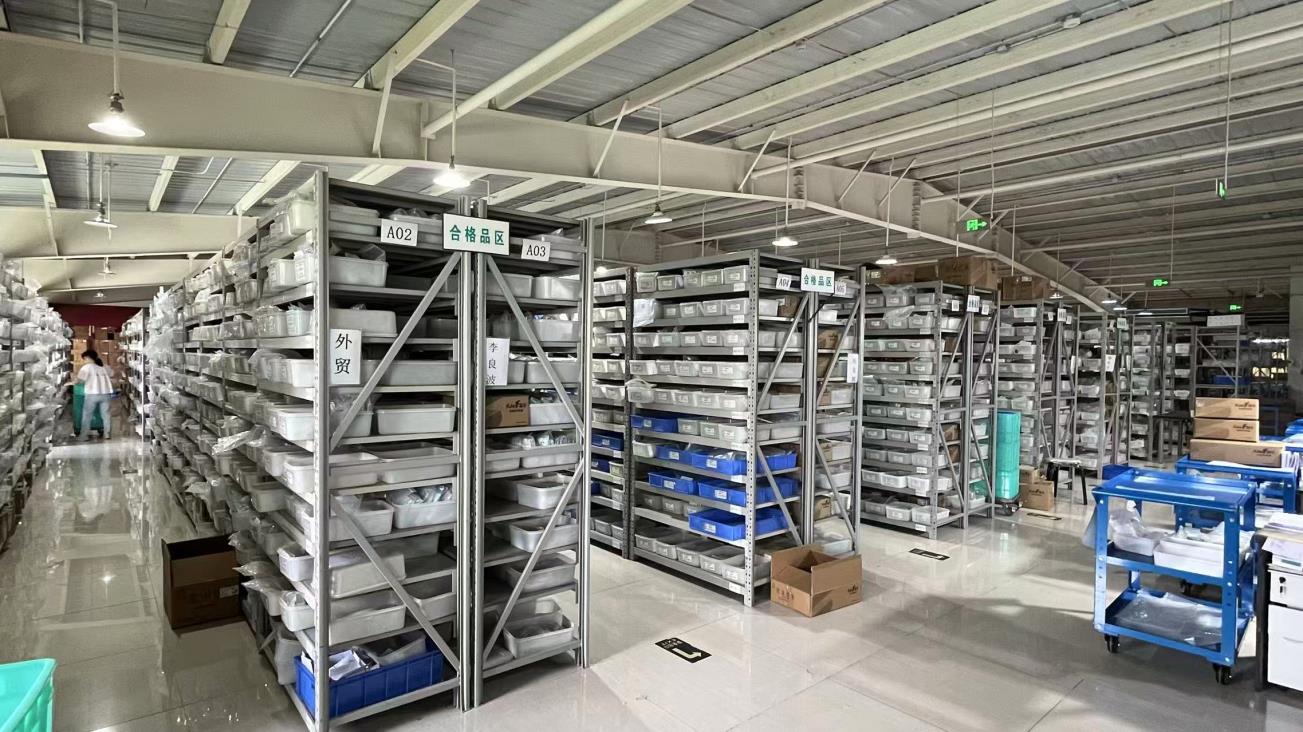
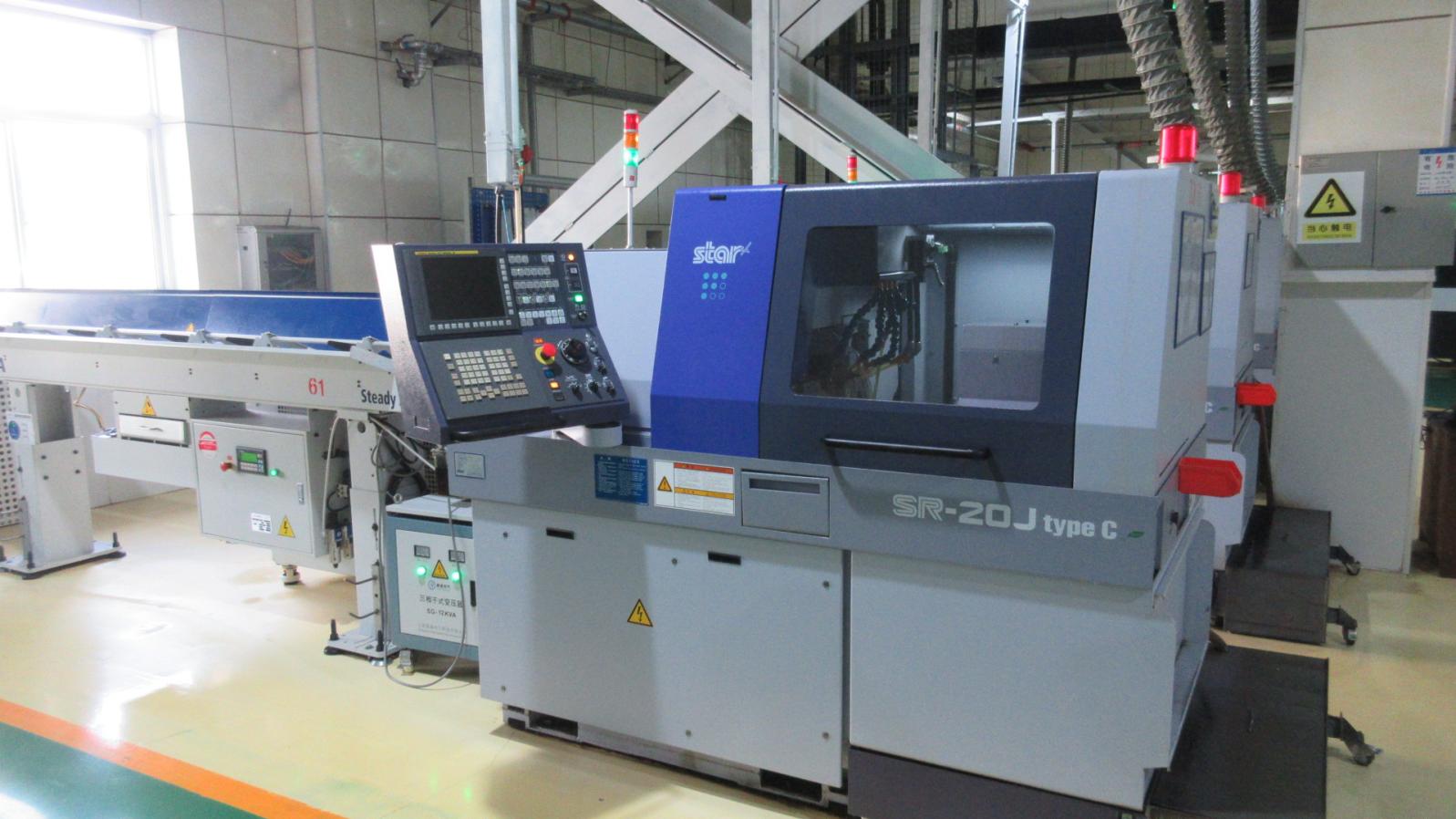
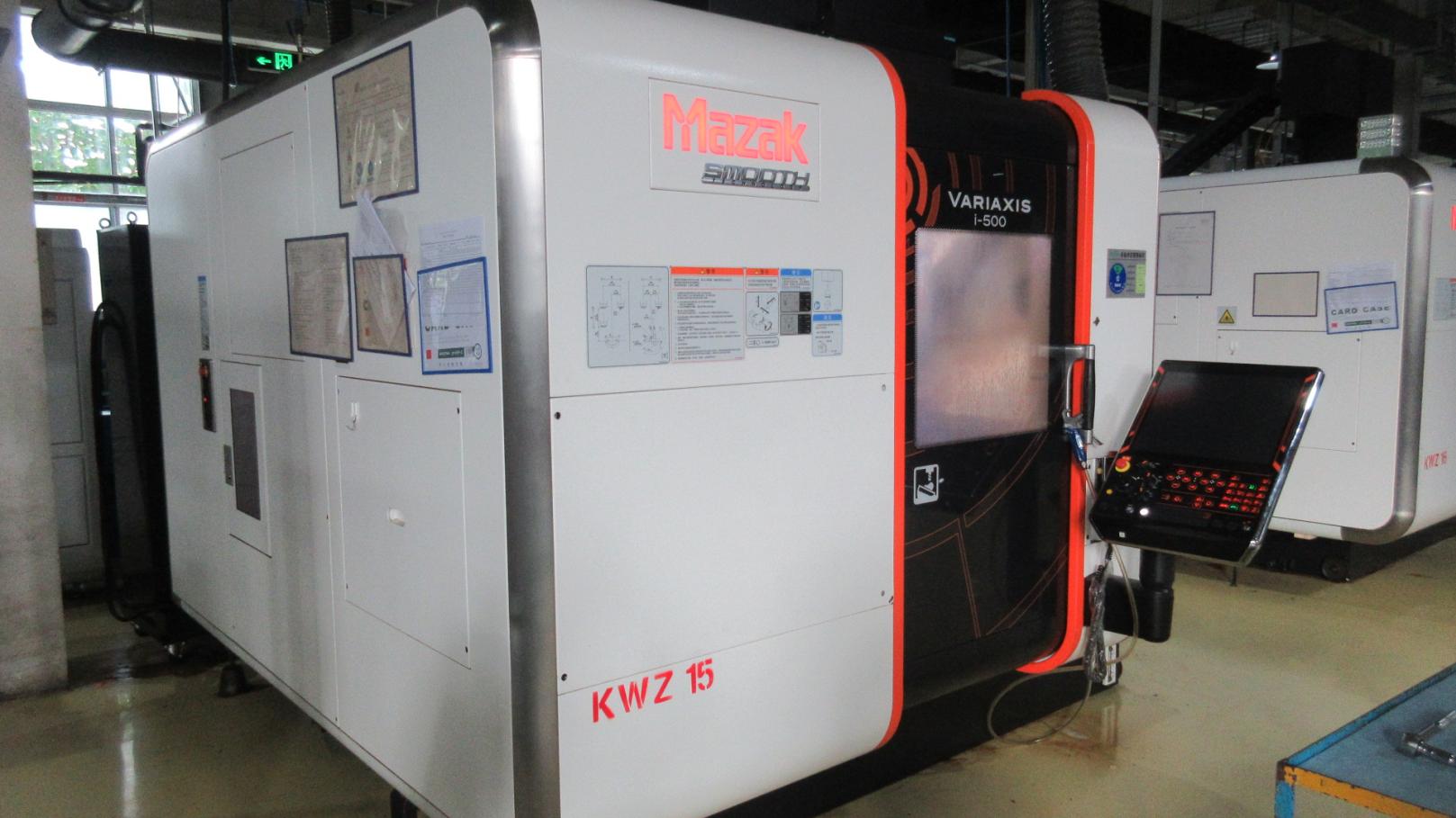
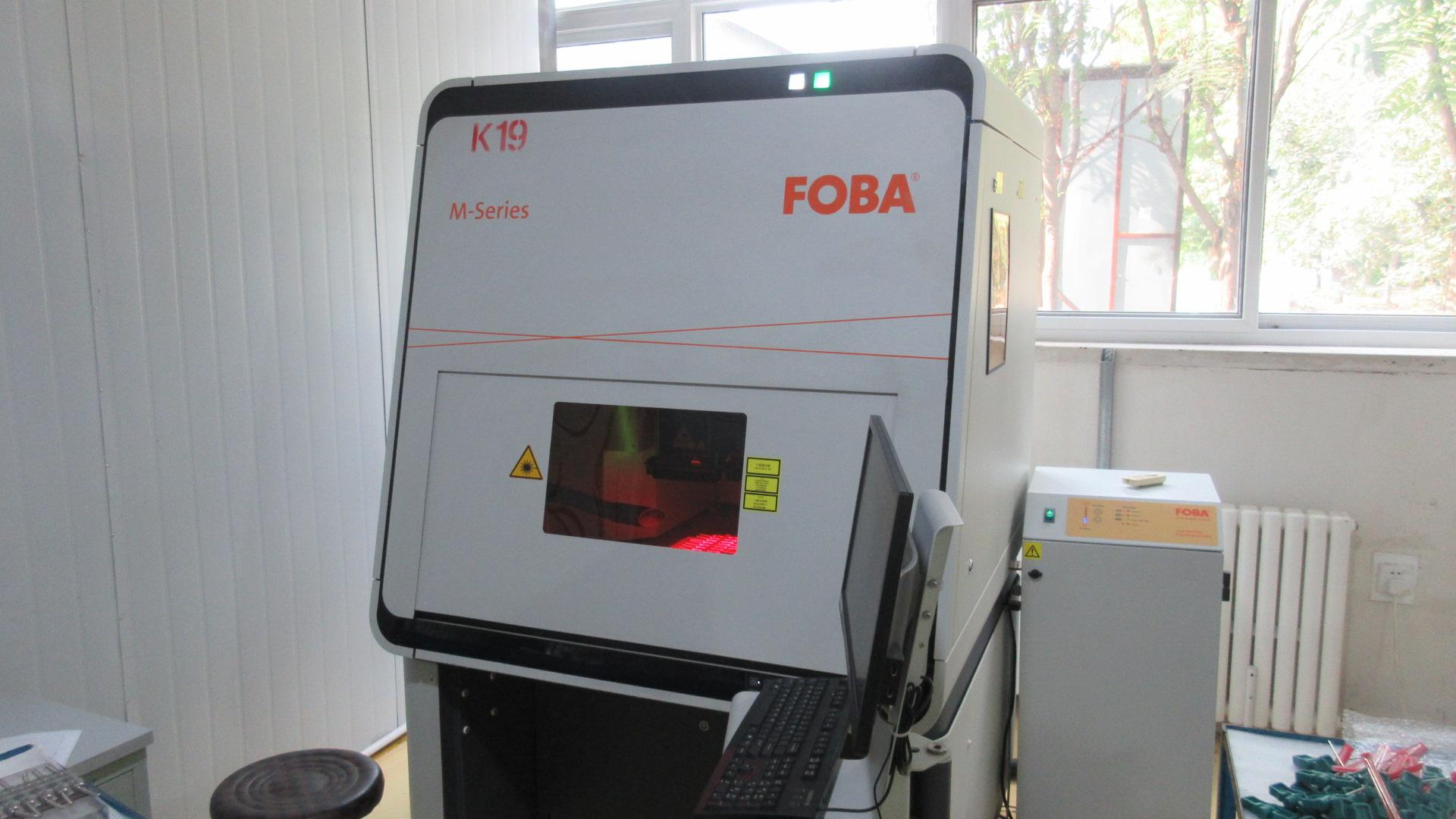
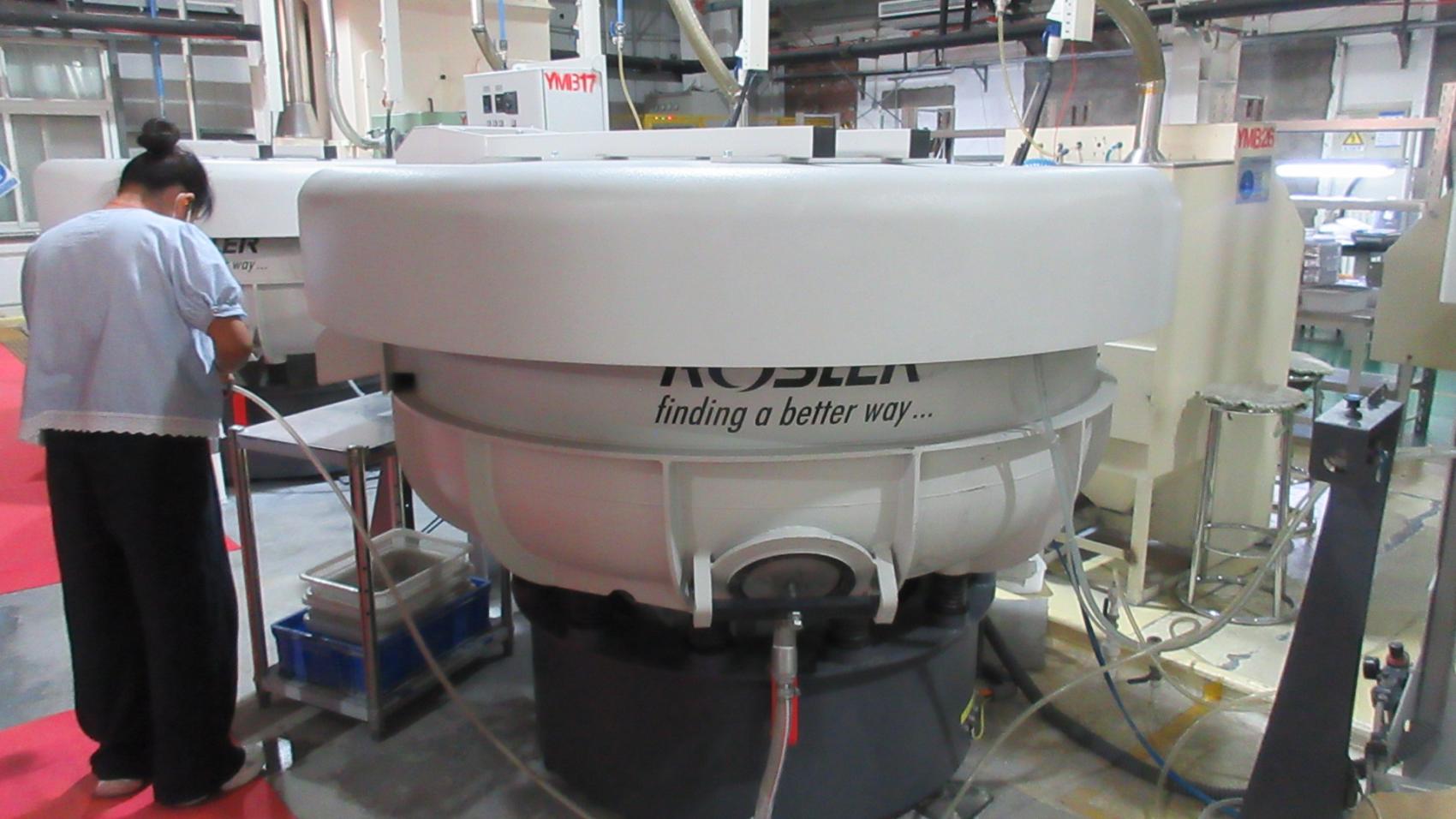
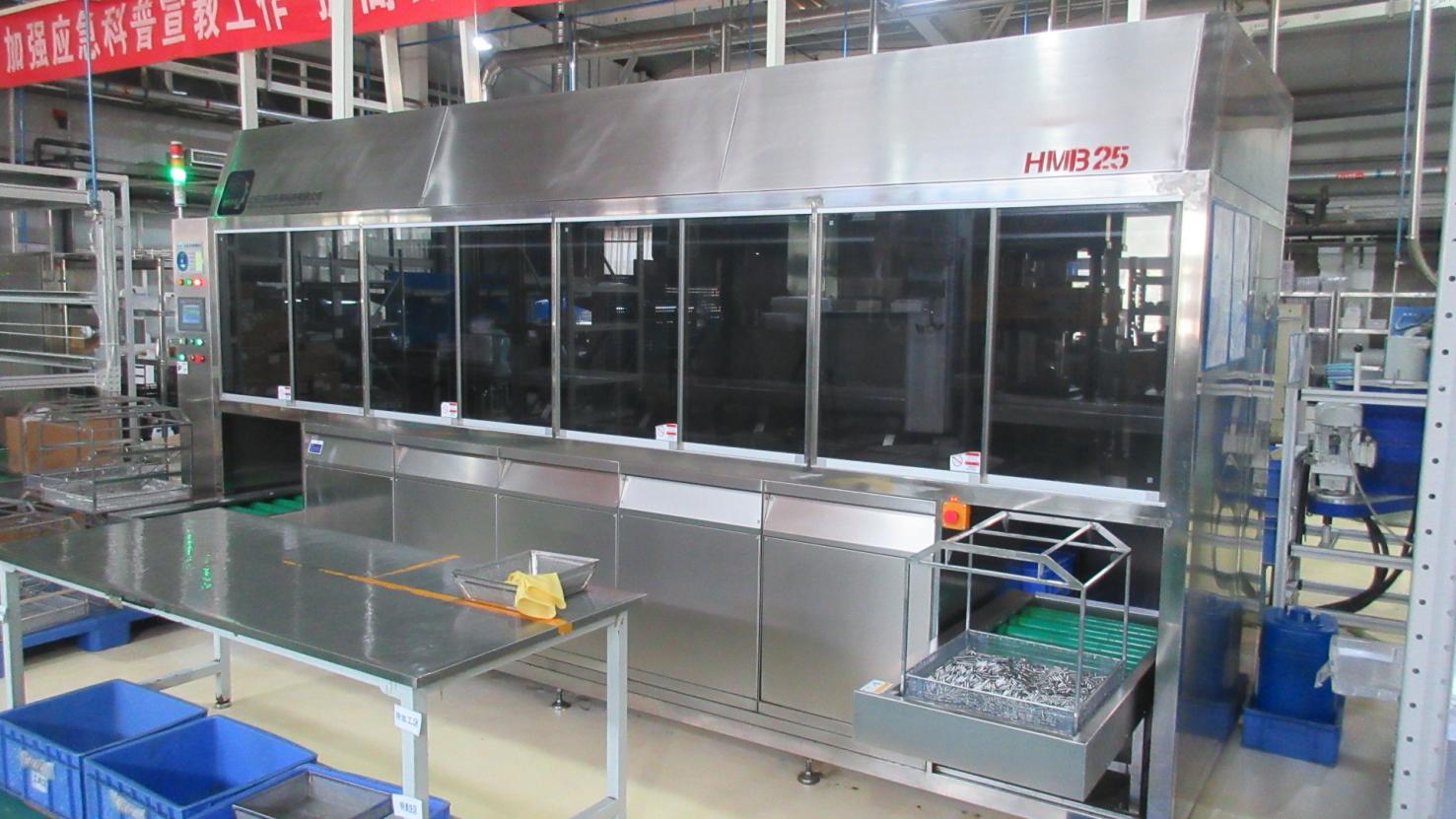
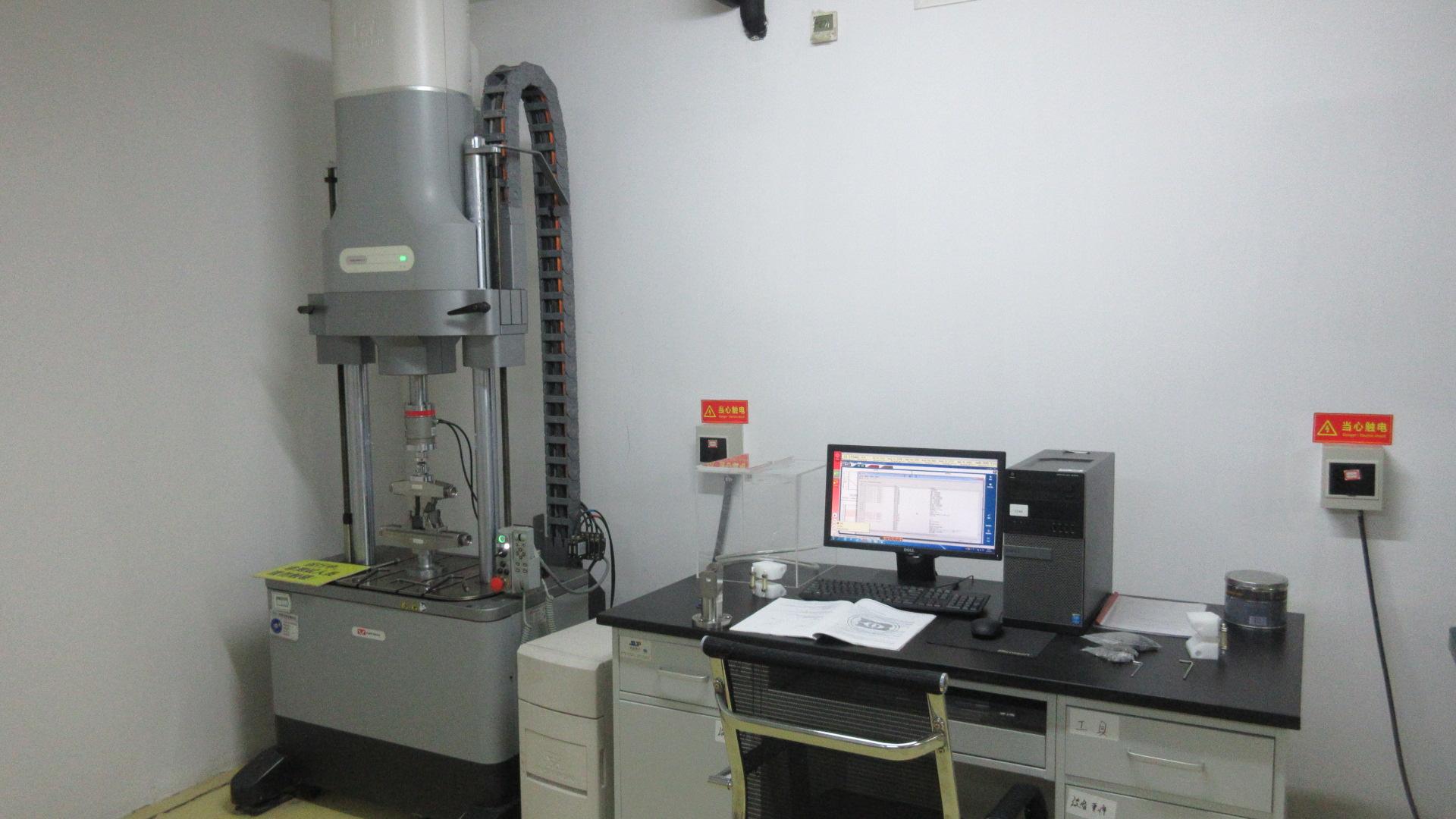
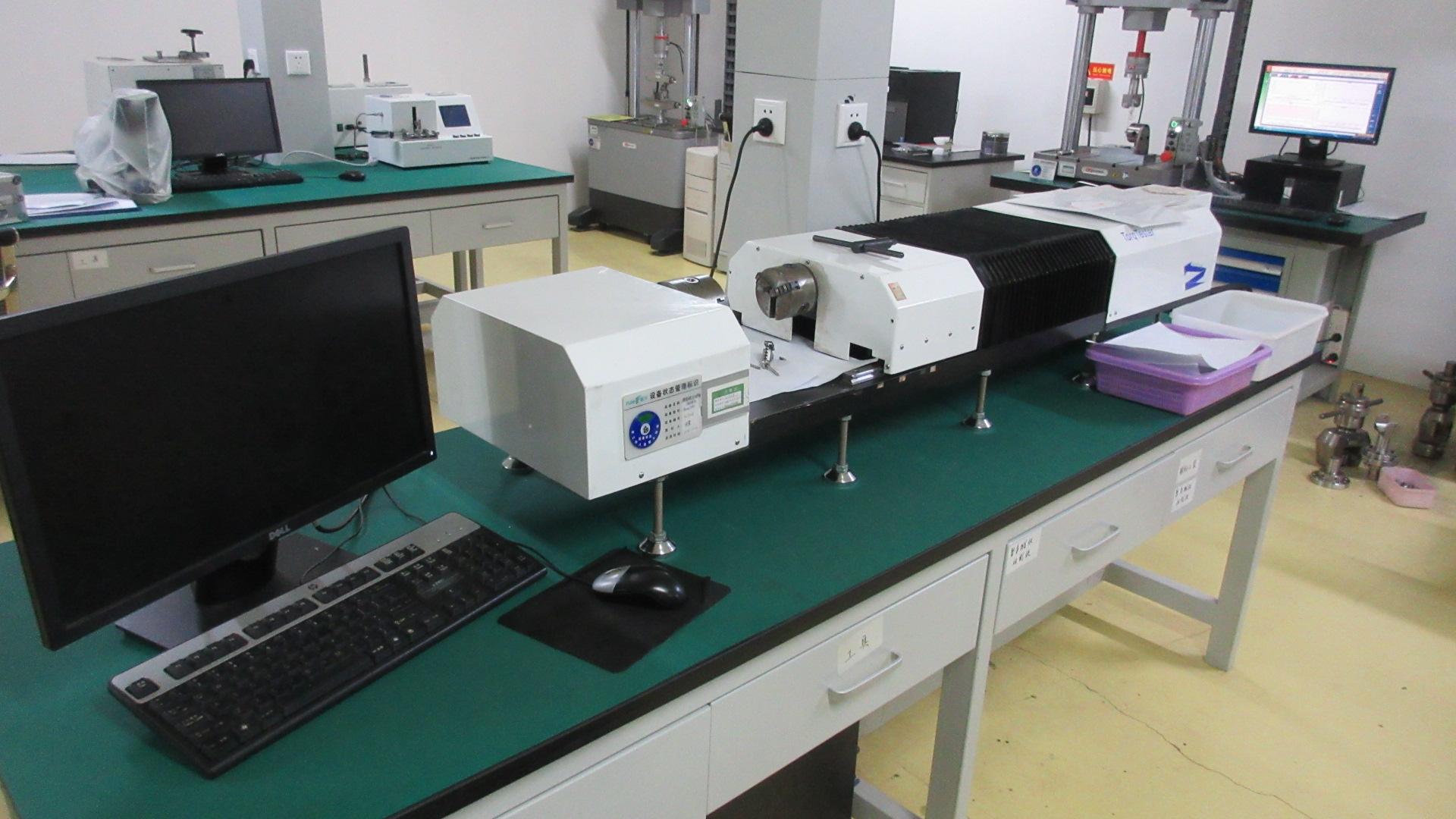
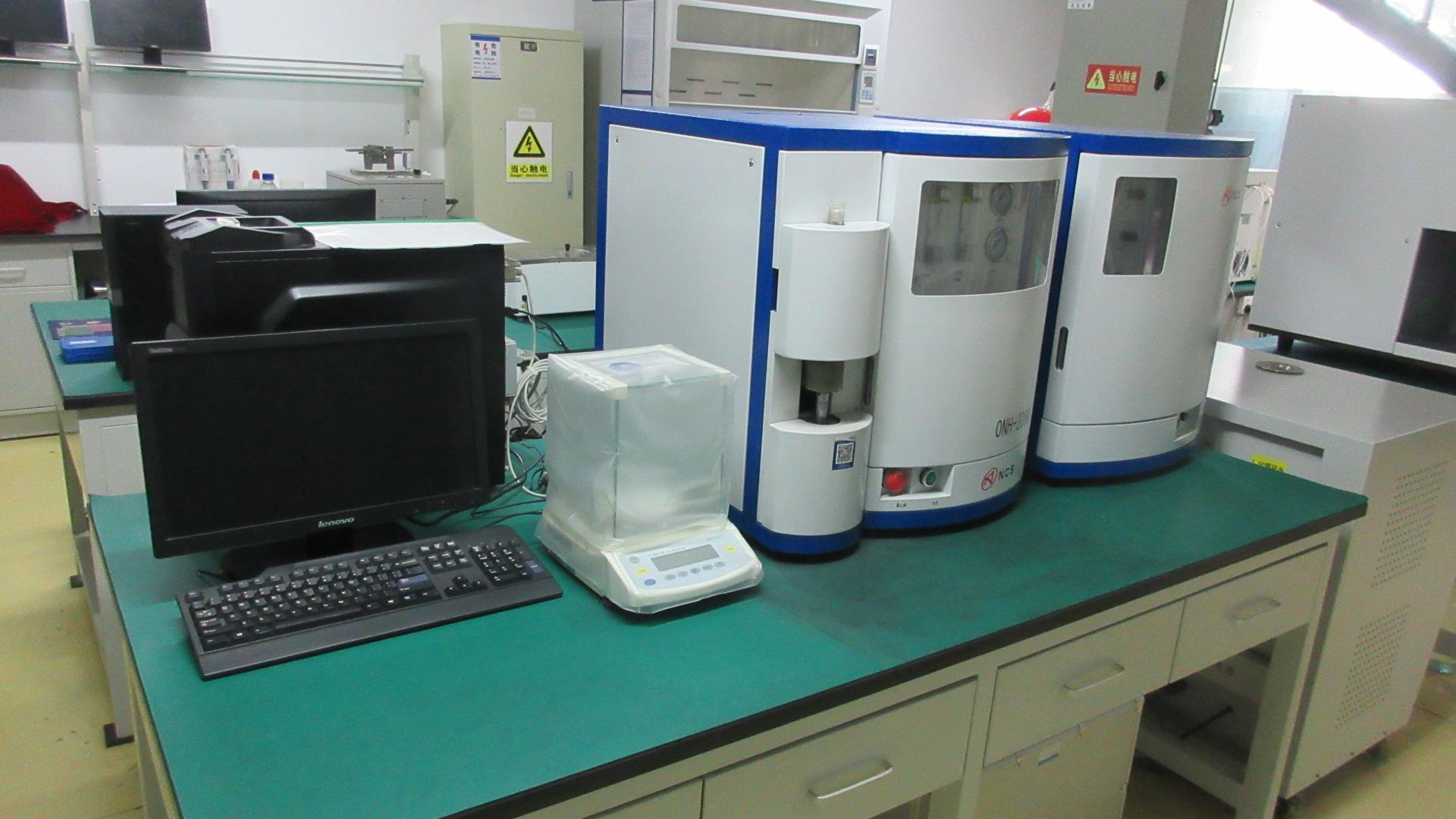
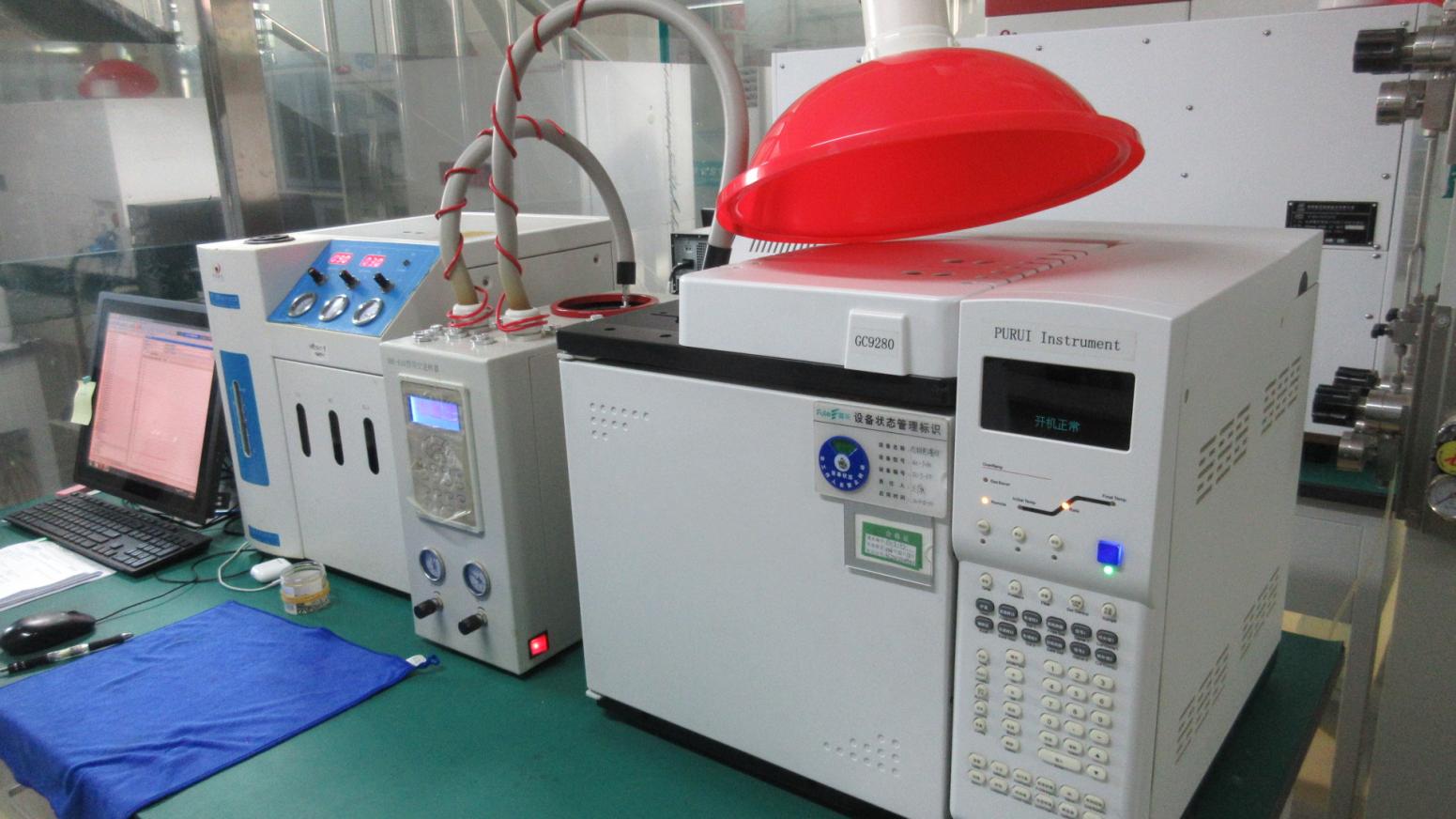

We provide medical device distributors, group purchasing organizations (GPOs), and Swiss surgical centers with customized logistical and manufacturing support. Our services include:
Connect with our regulatory affairs and production engineering teams to discuss custom designs, test reports, and Swiss distribution agreements.
Send Inquiry NowA comprehensive range of CE-marked implants and surgical instruments designed for diverse orthopedic applications, from spinal stabilization to bone fracture fixation.
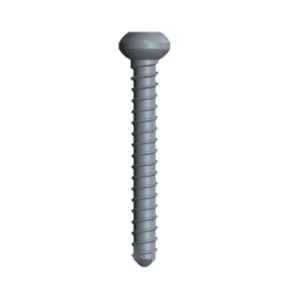
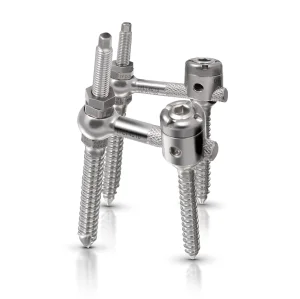
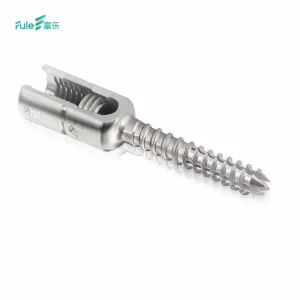
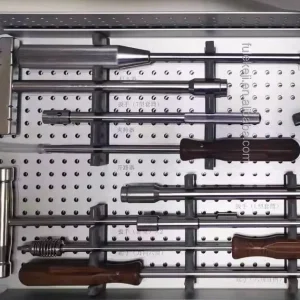
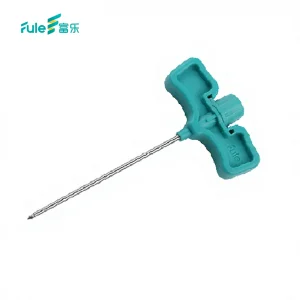
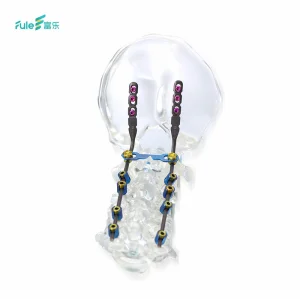
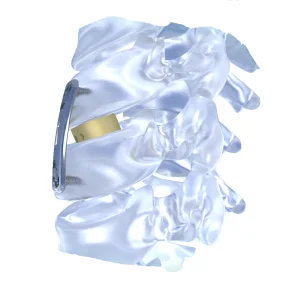
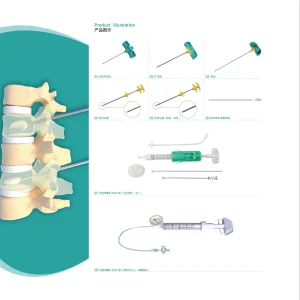
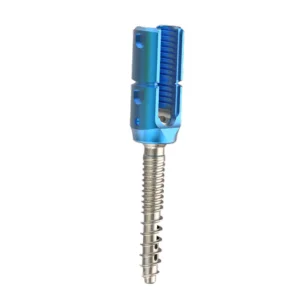
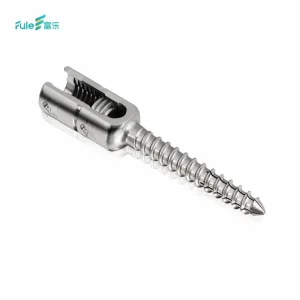
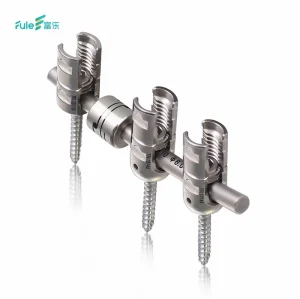
Essential components designed for rigid spinal column stability and high-integrity fracture fixation.

In-depth technical and regulatory answers for hospital procurement officers, clinical engineers, and distribution managers in Switzerland.
Our pelvic locking plates and trauma reconstruction systems are classified under Class III and Class IIb implants. They are manufactured under strict ISO 13485 quality management guidelines. We provide a complete CE regulatory portfolio, biocompatibility test results, and exhaustive clinical data required for local Swiss registration under current MedDO regulations.
We source premium-grade Ti-6Al-4V ELI (Extra Low Interstitial) Titanium Alloy compliant with ASTM F136 and ISO 5832-3. This specific alloy provides high tensile strength, exceptional fatigue resistance, and superior biocompatibility compared to standard titanium grades, making it ideal for high-stress pelvic reconstruction.
Yes, our straight and arc-shaped pelvic reconstruction plates are designed with dynamic bend zones. This allows trauma surgeons to contour the plate intraoperatively to fit the individual patient's anatomical curvature along the pelvic brim and iliopectineal line without compromising the mechanical integrity of the locking holes.
Standard product orders are processed immediately and typically ship within 2-4 weeks. For custom OEM or private label manufacturing requests, the lead time ranges from 6 to 12 weeks, depending on design approvals, biomechanical testing protocols, and sterilizing configuration changes.
Yes. We enforce a 100% material traceability program. Every batch of titanium or PEEK is assigned a unique heat code traceable back to the raw material supplier. This trace index is printed on all sterile packaging labels to meet high-level clinical risk management standards.
Our quality control protocol involves continuous testing. We have 15 dedicated QA/QC inspectors managing multi-level checks: raw material spectroscopy, interprocess dimensional measurement using micro-calipers, coordinate measuring machines (CMM) for complex geometries, and mechanical stress and fatigue life testing.
All our orthopedic instrument systems (e.g., COX 6.0 instrument sets, plate drivers, drill guides) are manufactured using surgical-grade stainless steel and biocompatible polymers (like PPSU). They are designed to withstand autoclaving (134°C vacuum steam sterilization) and automated chemical washing cycles.
PEEK (polyetheretherketone) has a modulus of elasticity closely matching natural human cortical bone, which minimizes stress shielding. It is also radiolucent, allowing surgeons to monitor fusion progress clearly via X-ray. Titanium alloy markers are embedded inside the PEEK cages to verify correct placement under fluoroscopy.
Unlock access to precision-engineered implants, comprehensive clinical documentation, and a reliable supply chain. Let's discuss how we can meet your facility's trauma and reconstructive hardware requirements.
Send Inquiry Now Beren Science & Technology