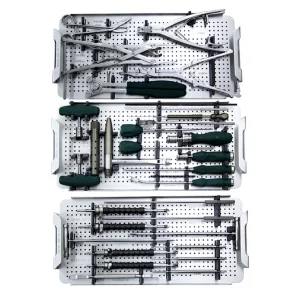
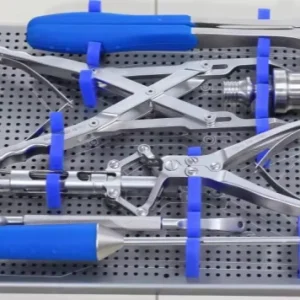
Explore our premium grade spinal decompression and fracture fixation systems designed for rigorous clinical demands.
Spondylolisthesis—the displacement of a vertebra relative to the segment below—represents a substantial clinical burden in Mexico. Driven by a rapidly aging demographic and high rates of metabolic factors that accelerate degenerative disc diseases, the demand for spinal fusion systems has surged. From public sector entities like the Instituto Mexicano del Seguro Social (IMSS) and ISSSTE to premium private networks such as Grupo Empresarial Ángeles and ABC Medical Center, surgeons require reliable, low-profile implants that guarantee long-term biomechanical stability.
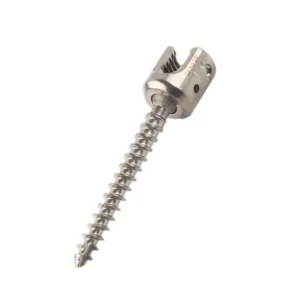
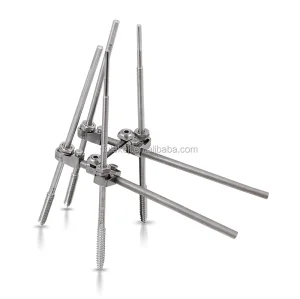
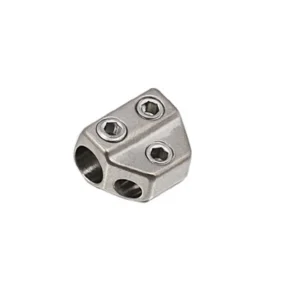
As a global manufacturer and key supplier, we produce Grade 5 Titanium Alloy (Ti-6Al-4V ELI) pedicle screws, rods, and crosslinks engineered to treat degenerative, isthmic, and dysplastic spondylolisthesis. Our systems allow for effective sagittal alignment restoration, matching the pelvic incidence-lumbar lordosis (PI-LL) mismatch variables critical to successful surgical outcomes.
The Mexican medical device market is heavily driven by cost-efficiency paired with high clinical compliance. Direct procurement by public health services mandates rigorous supply chain security, complete traceablity of medical-grade raw materials, and CE marking compatibility. For private orthopedics, dynamic instrument configurations and rapid delivery services across Mexico City, Guadalajara, and Monterrey are paramount.
How our ISO 13485 certified facilities translate materials science into safe, durable implants for the global market.
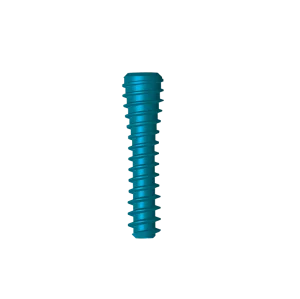
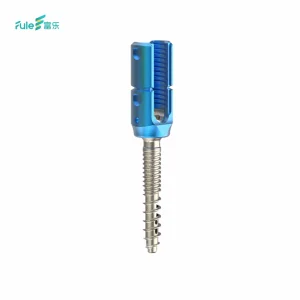
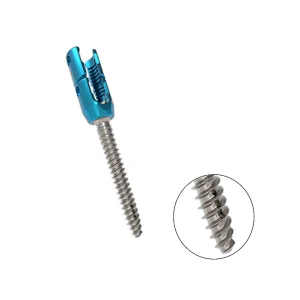
Our polyaxial screw assemblies feature a 60-degree angulation range, offering unmatched intraoperative versatility for surgeons aligning severe spondylolisthesis slip angles without applying unnecessary stress to the pedicle wall.
Dual-lead and self-tapping threads ensure quick insertion, while the cortical-cancellous thread transition ensures superior bone-to-screw interface contact and limits the risk of implant loosening over years of patient movement.
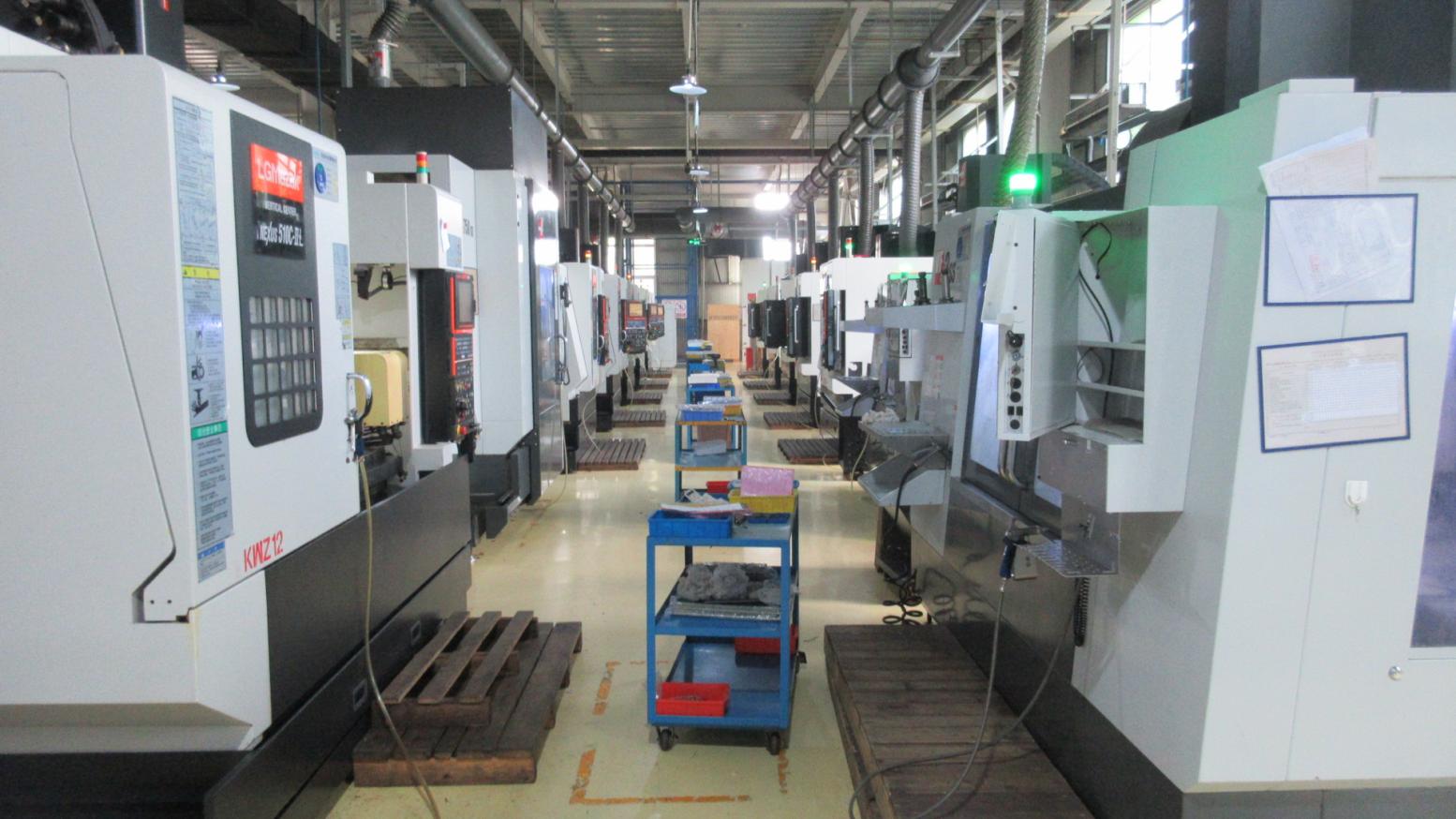
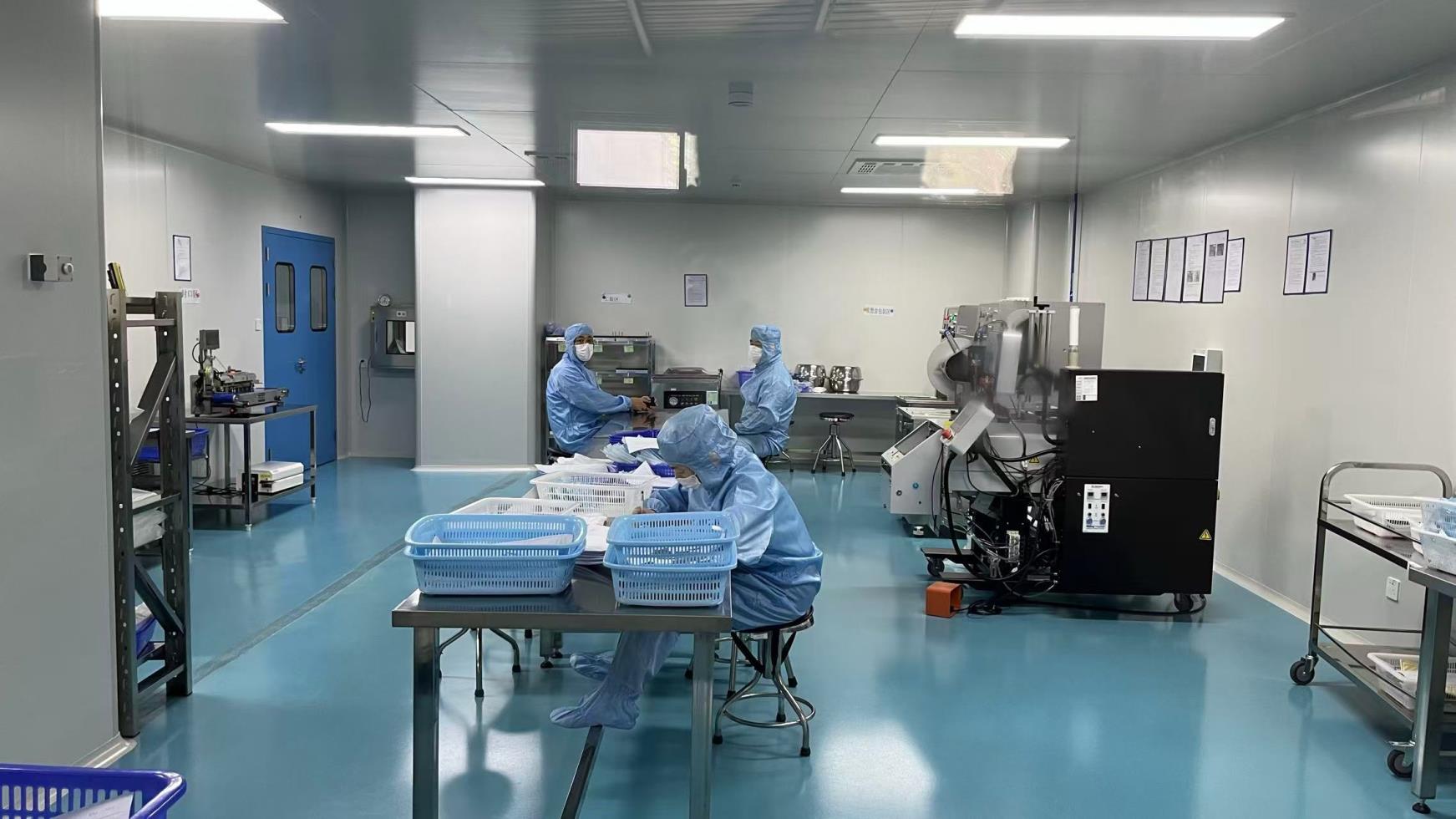
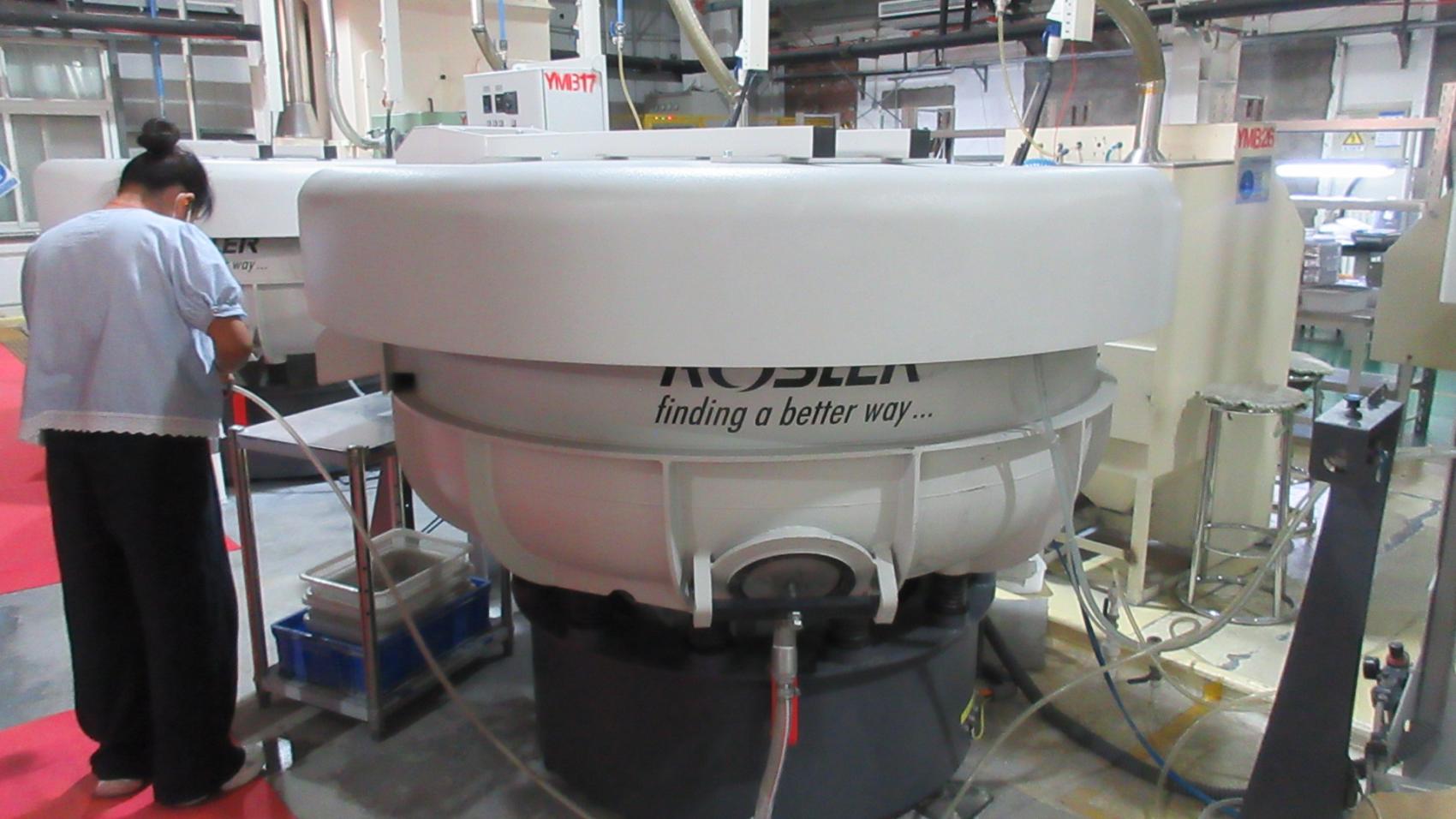
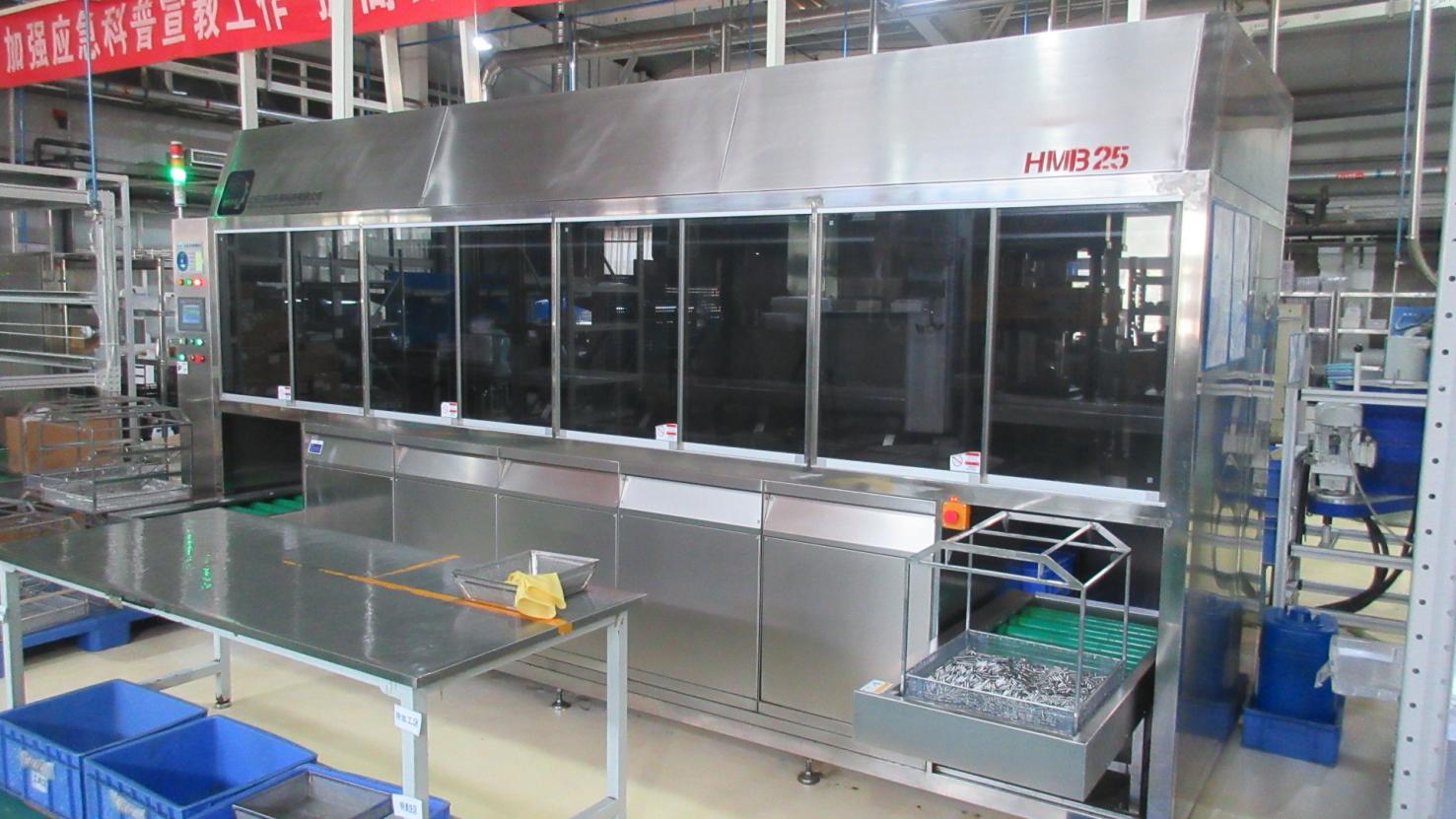
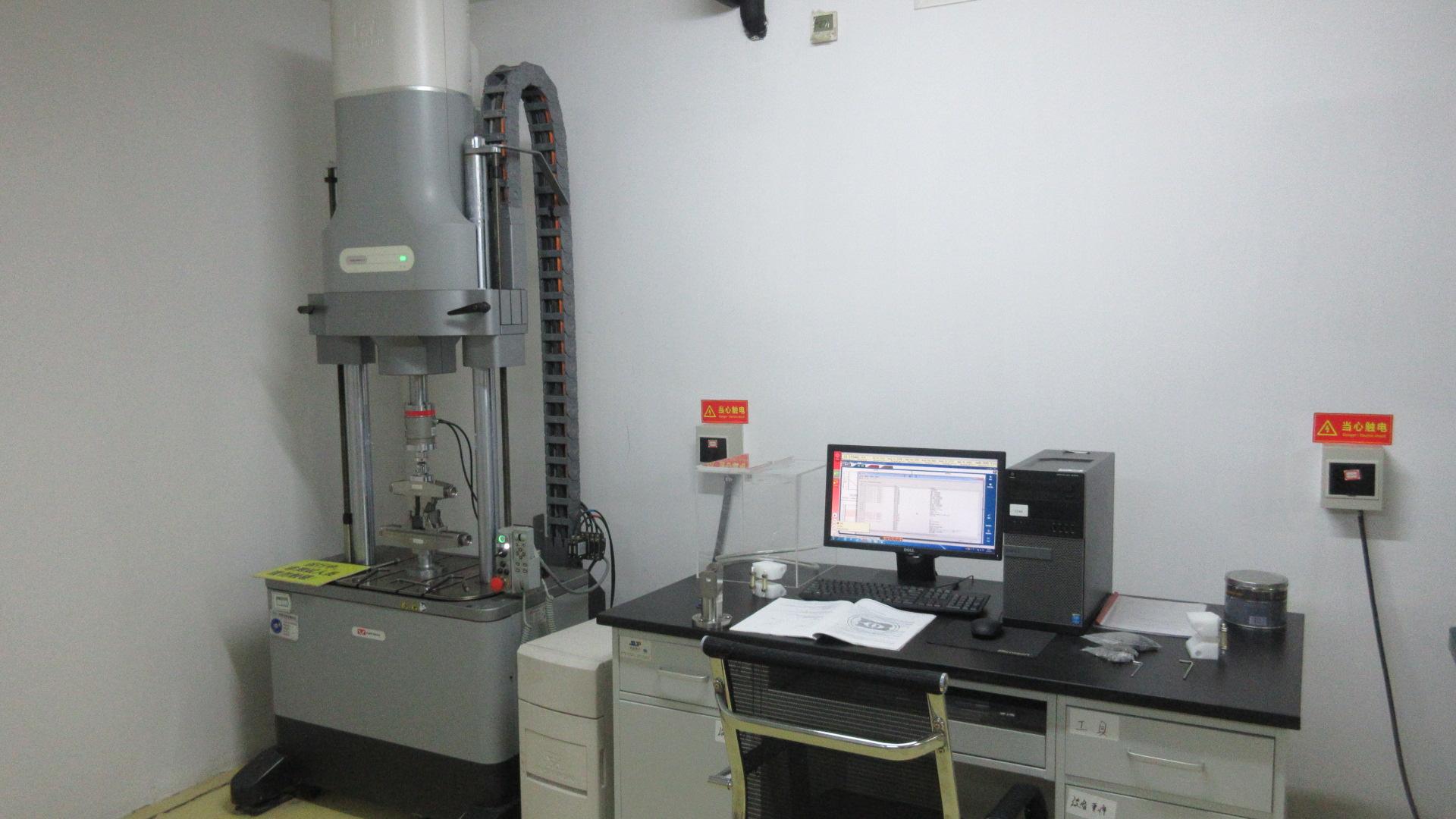
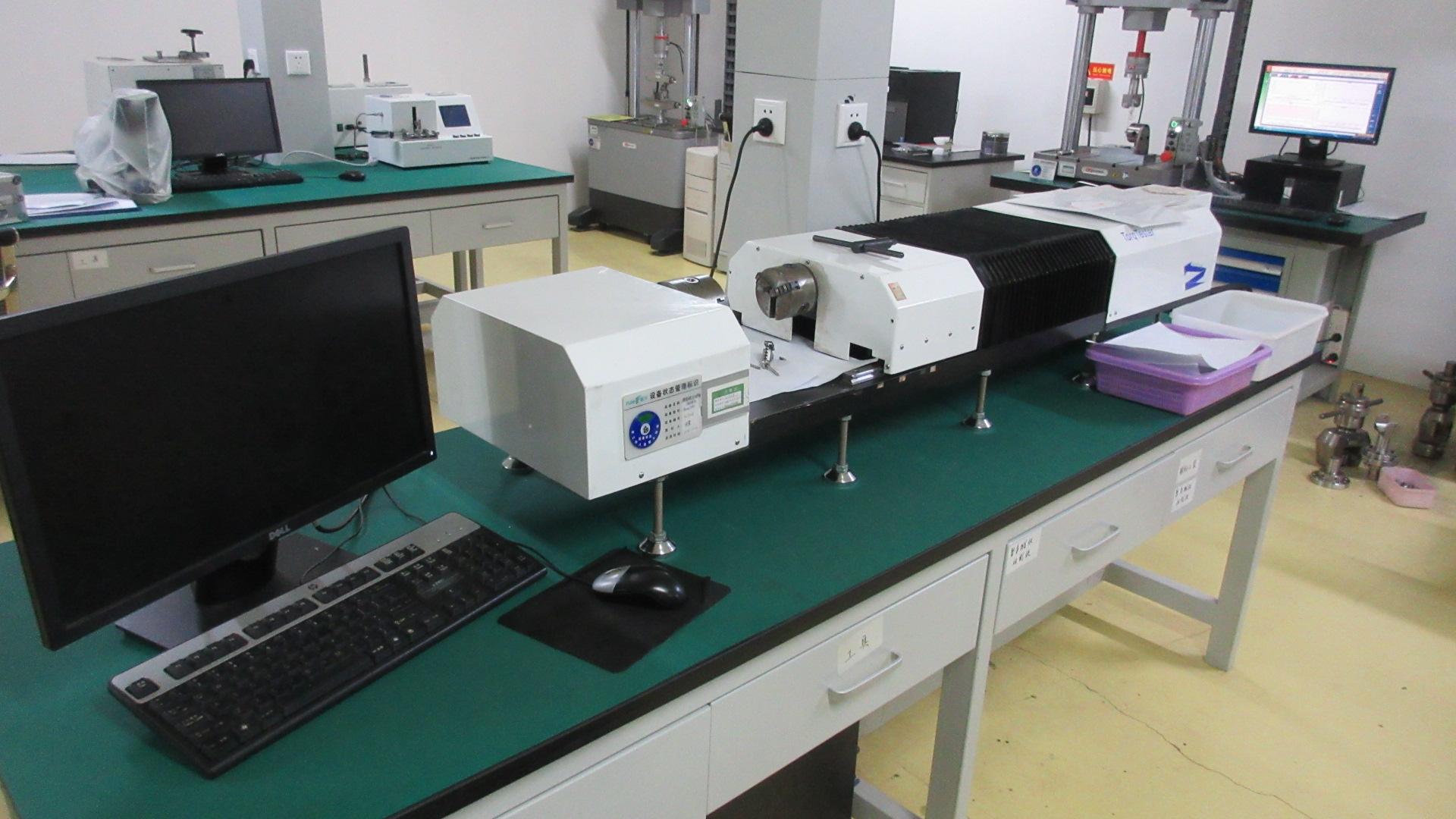
Undergoing 100% inspection through precision machines and visual QA staff. Advanced stress, friction, and fatigue testing are conducted on all production runs to prevent failure during heavy loading scenarios.
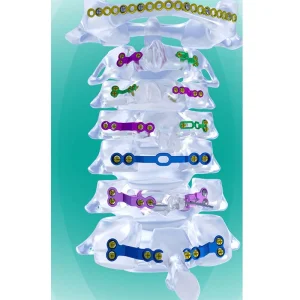
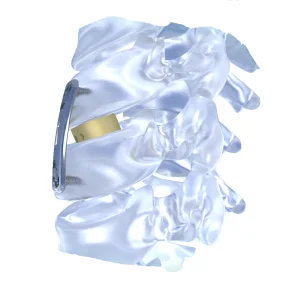
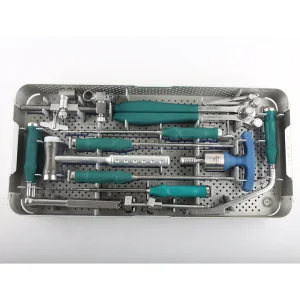
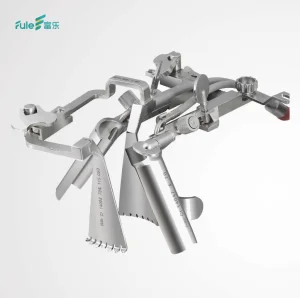
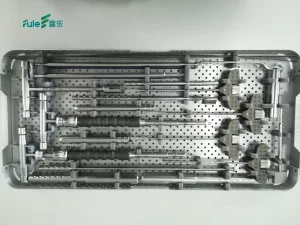
Integrated tools and implants to address complete spinal stabilization procedures from cervical decompression to anterior plating.
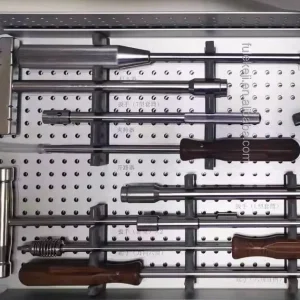
Distributing orthopedic implants in Mexico requires navigating rigid regulatory landscapes. Our administrative teams work directly with Mexican importers and health authorities to supply technical documentation (Technical File dossiers, clinical evaluation parameters, biocompatibility test results, and ISO 13485 audit reports) necessary for COFEPRIS sanitary registration.
Furthermore, we establish structured logistics with specialized freight forwarders, ensuring smooth customs processing at key Mexican entry points including the Mexico City International Airport (AICM), the Laredo/Nuevo Laredo border crossing, and the Port of Manzanillo. This guarantees a secure supply chain, shielding local distributors from stockouts during high-demand bidding cycles.
Precision-manufactured posterior screw, rod, and instrument systems for stable lumbosacral fusion.
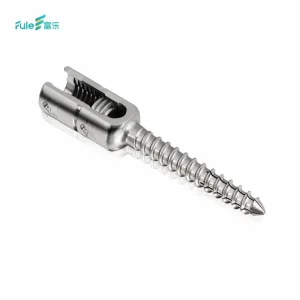
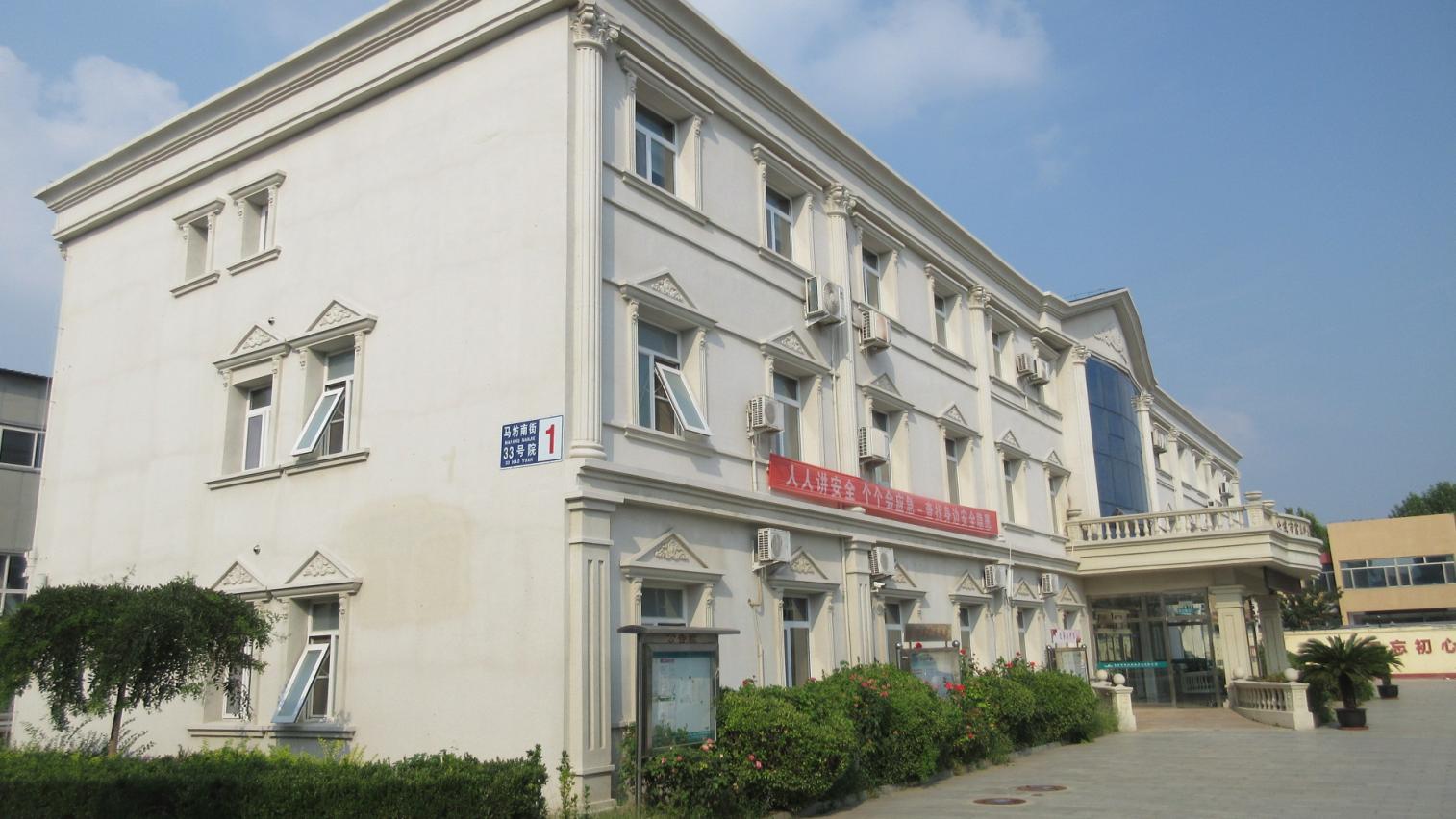
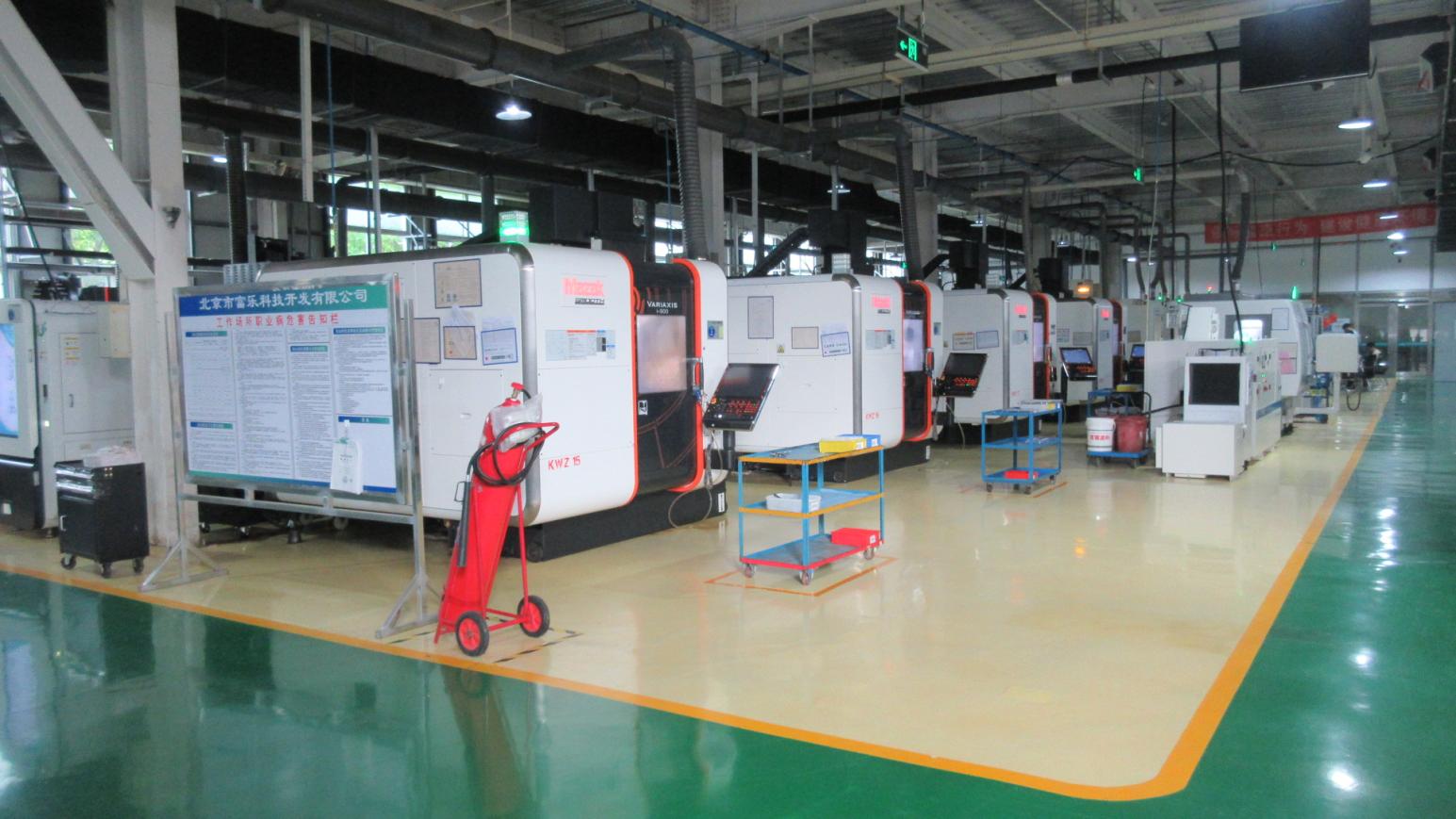
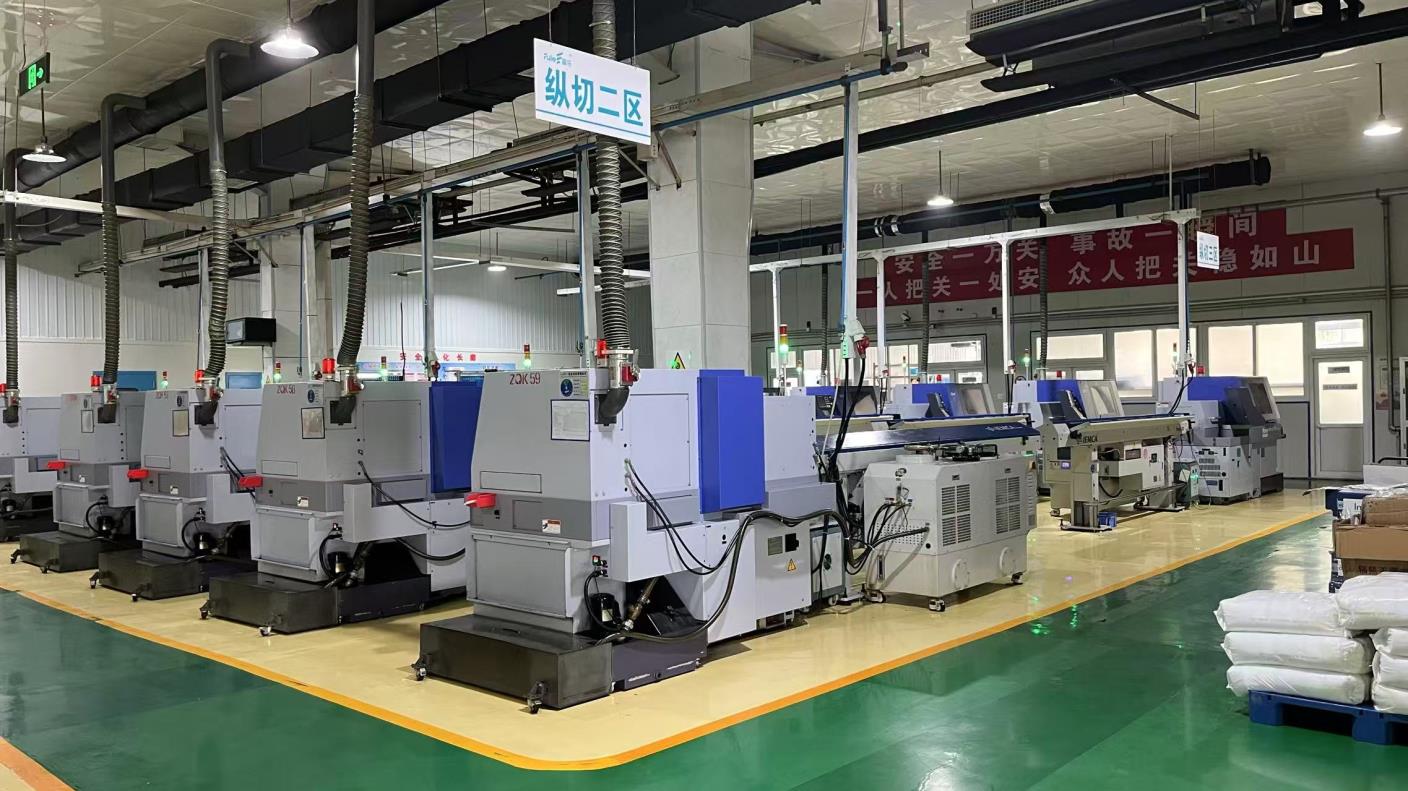
A trusted medical manufacturer established in 1996, combining large-scale capability with Swiss-grade precision.
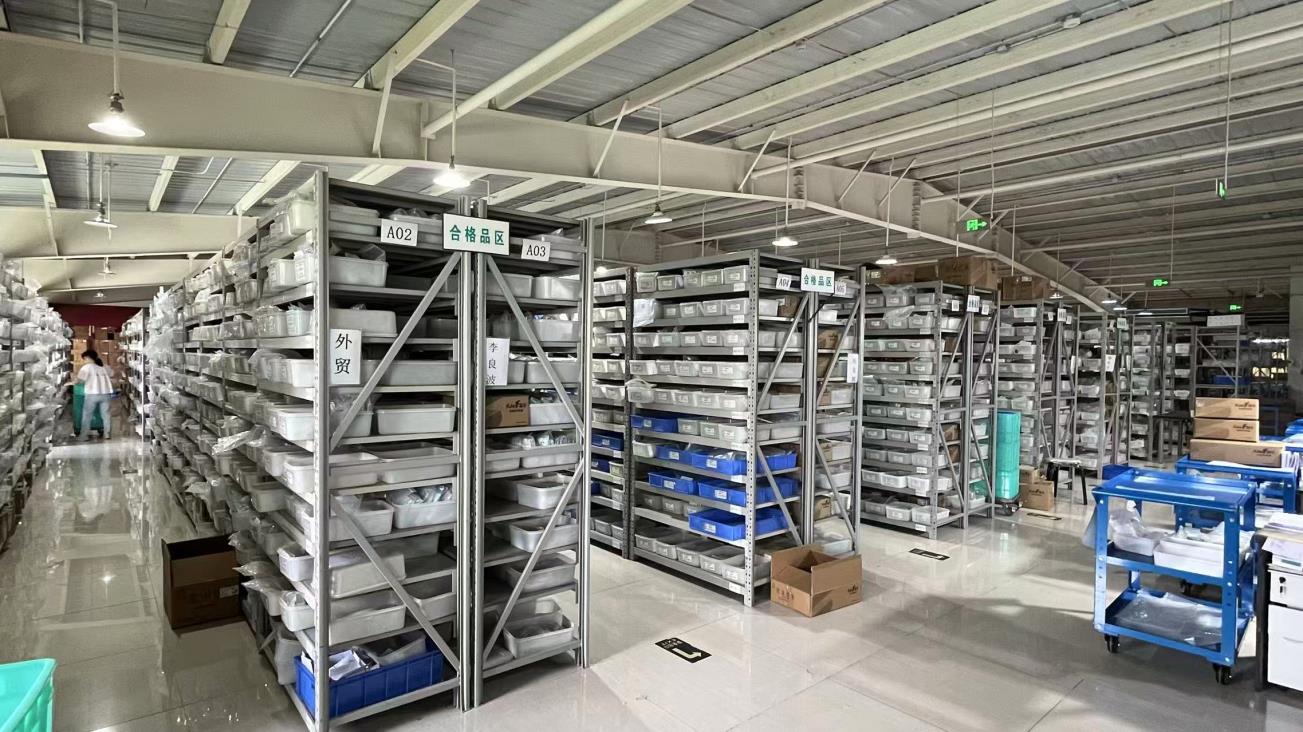
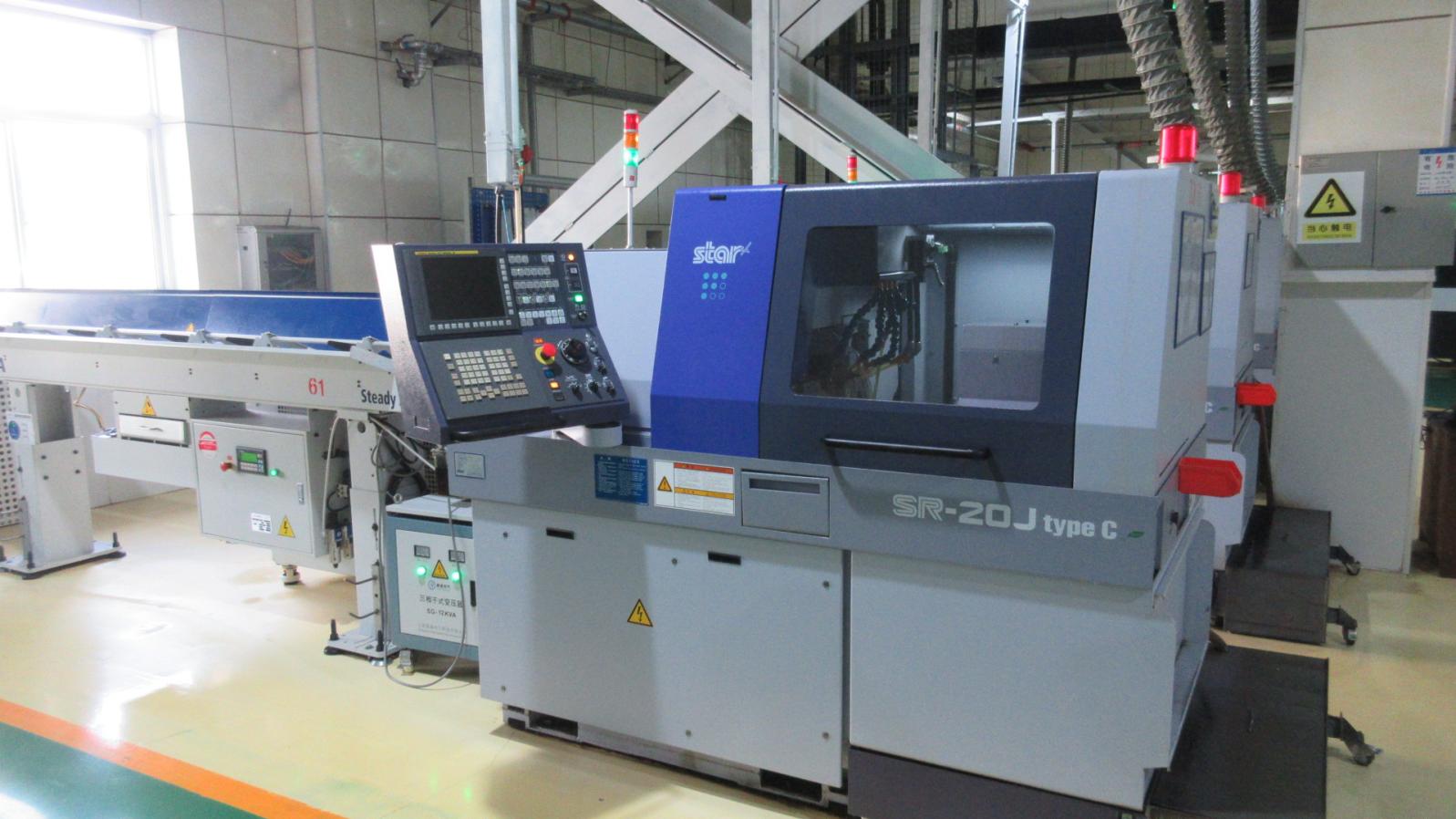
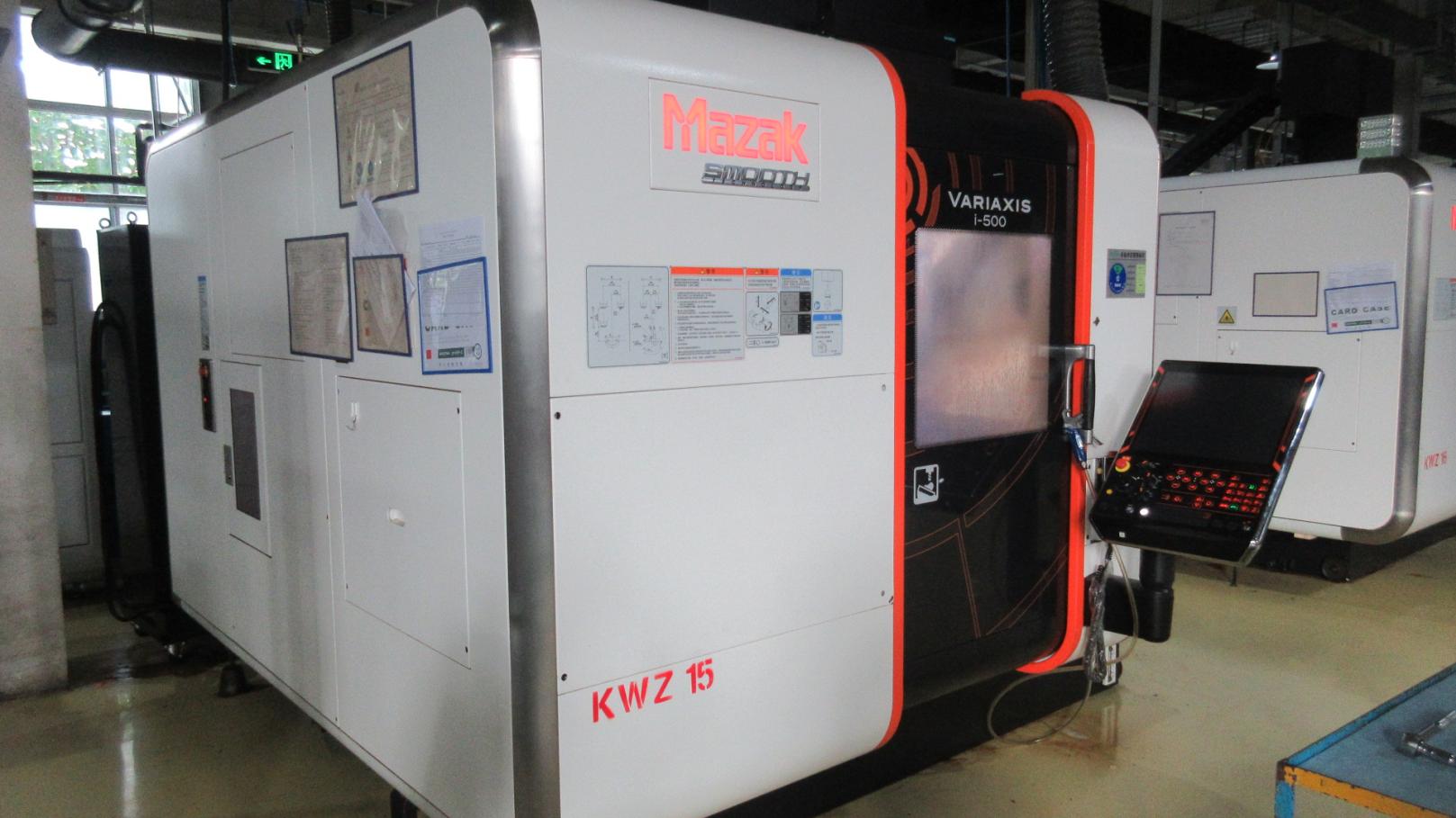
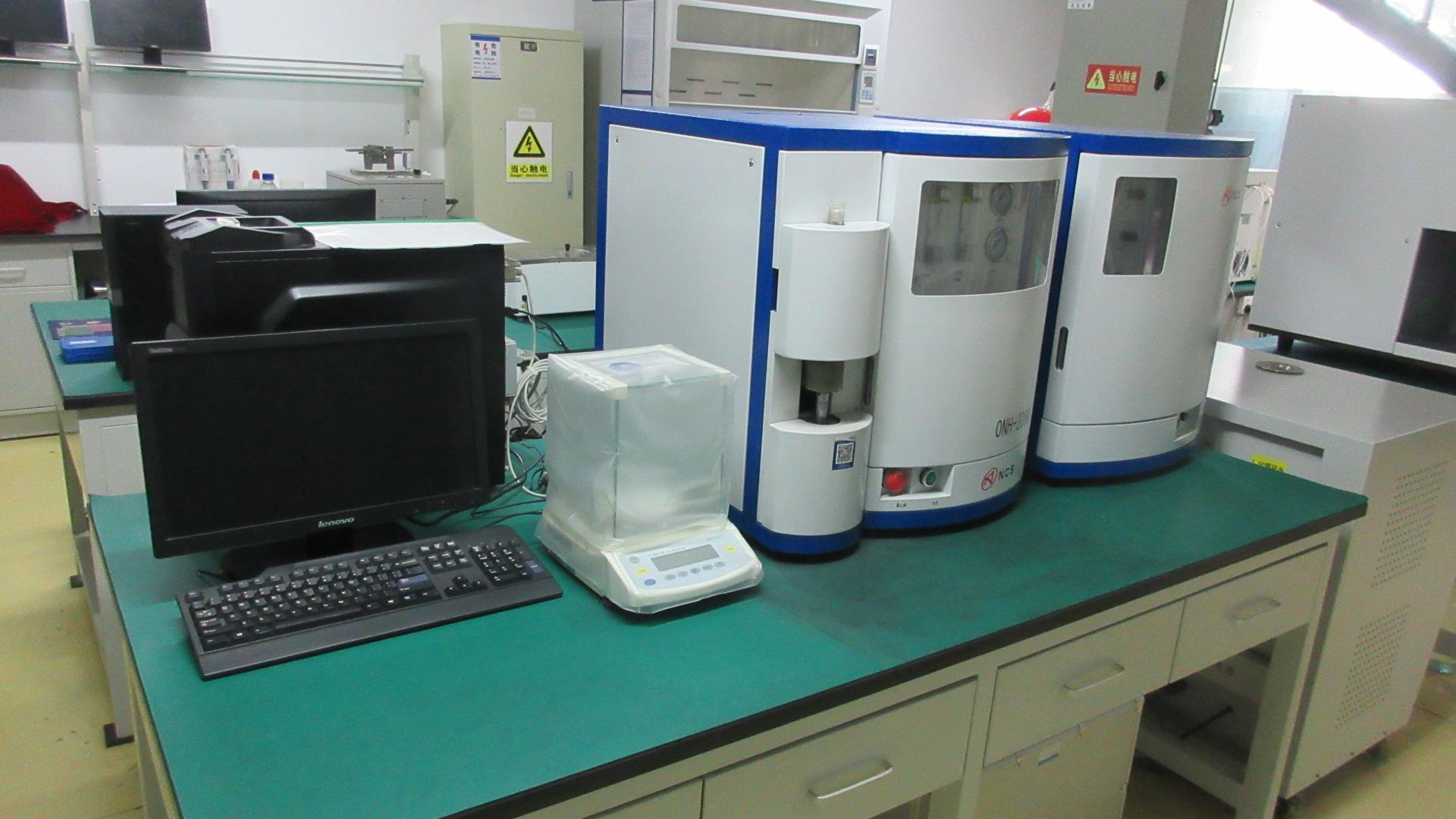
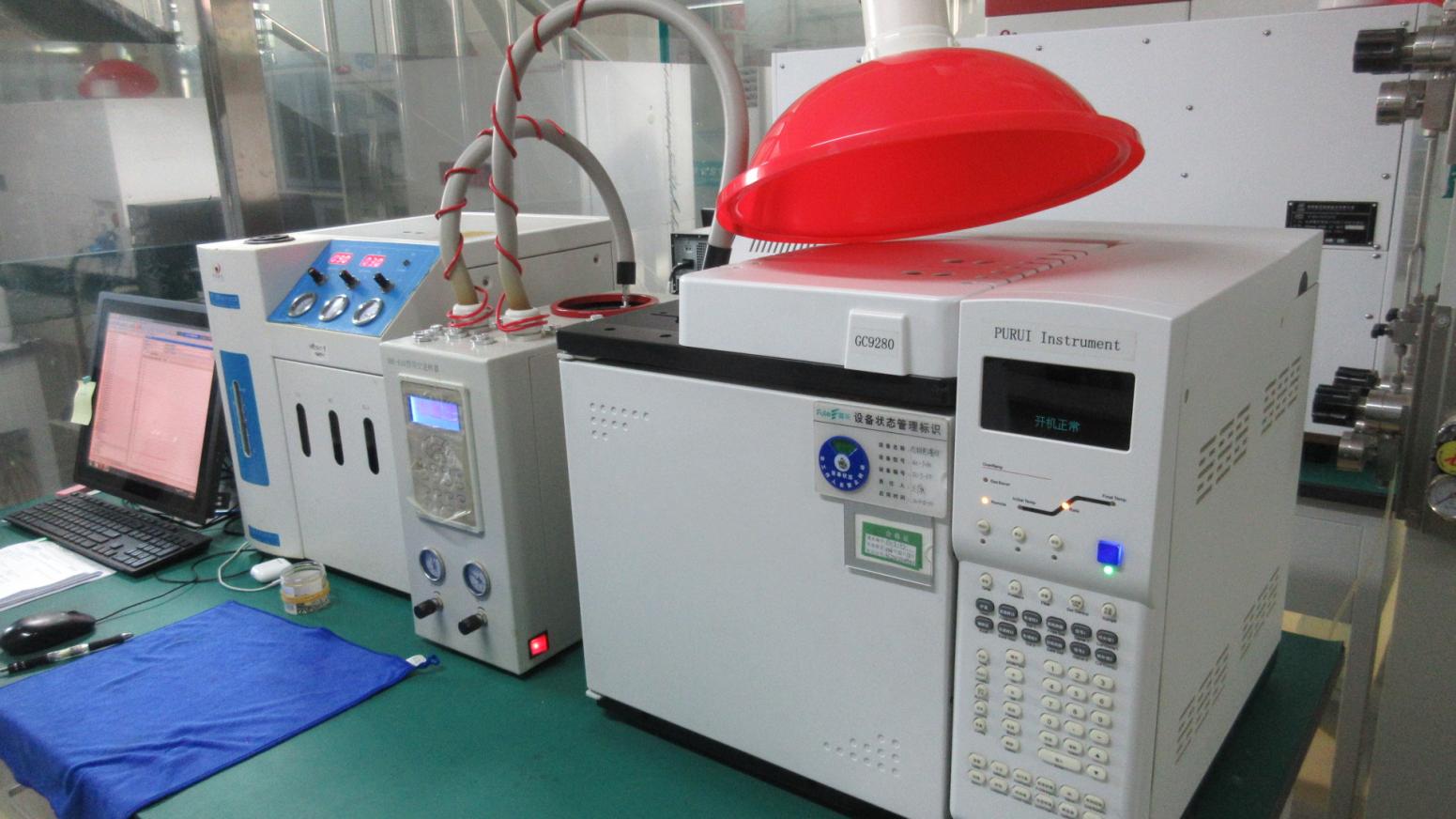
Our research and development team consists of 20 senior engineers (including 15 graduate degree professionals) specialized in biomaterials and orthopedic kinematics. Equipped with state-of-the-art multi-axis CNC machines and testing laboratories, we run a rigorous 100% inspection process overseen by 15 dedicated QA/QC inspectors. Raw materials are fully traceable, assuring consistent material density and eliminating manufacturing tolerances that lead to structural failure.
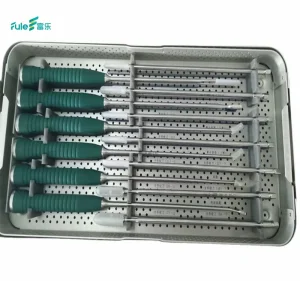
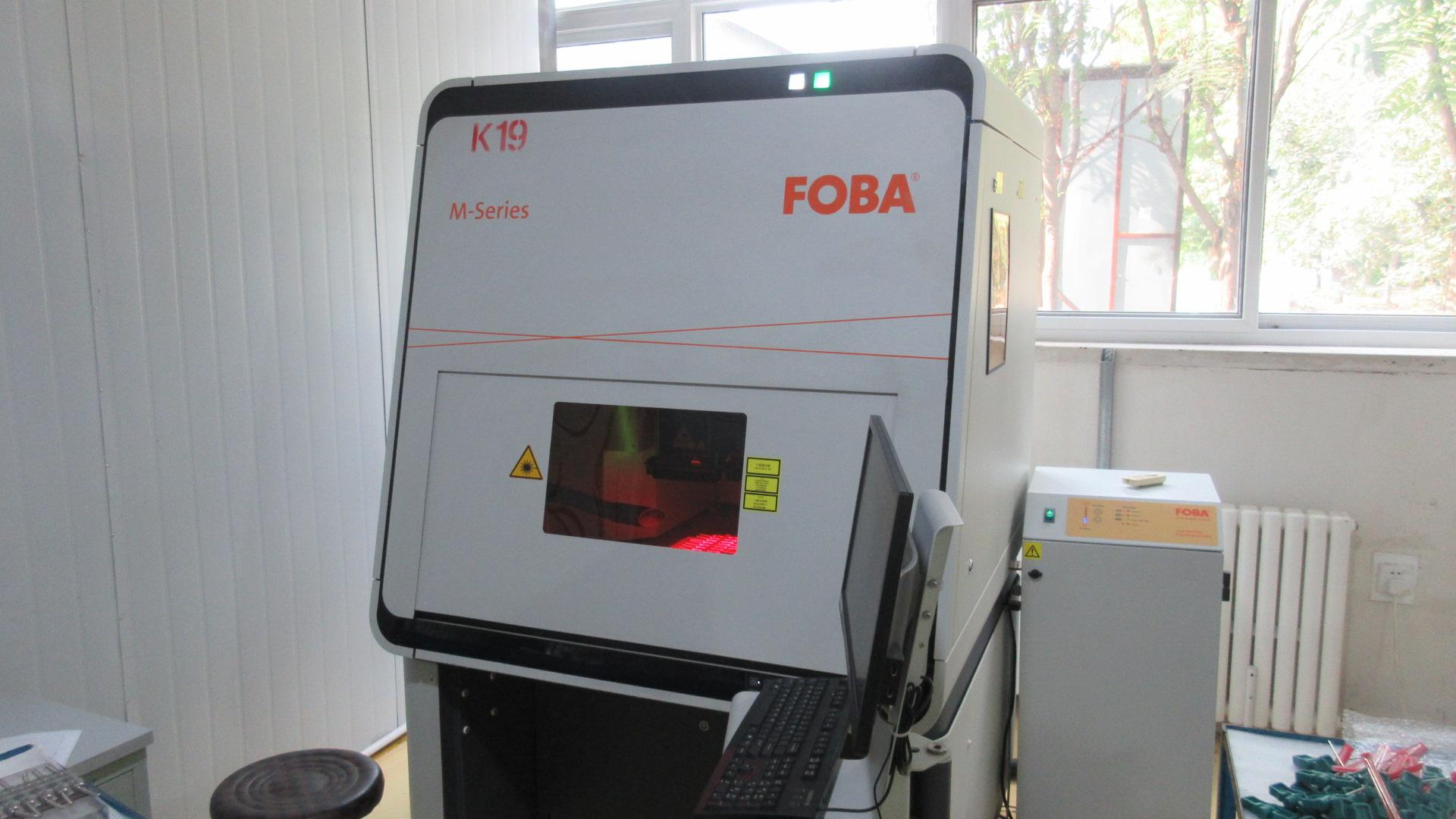
We actively coordinate customized orders, OEM requests, and tender packaging. Whether a distributor requires modified thread steps for regional patient profiles, custom laser etching, or specialized surgical tools for orthopedic trays, our factories are fully equipped to deliver.
| Quality Certificate | ISO 13485 / CE Compliant |
| QC Inspections | 100% Inspection on All Lines |
| Customization | Sample, Graphic, OEM/ODM |
| Markets Supplied | Europe, SE Asia, LatAm (Mexico Focus) |

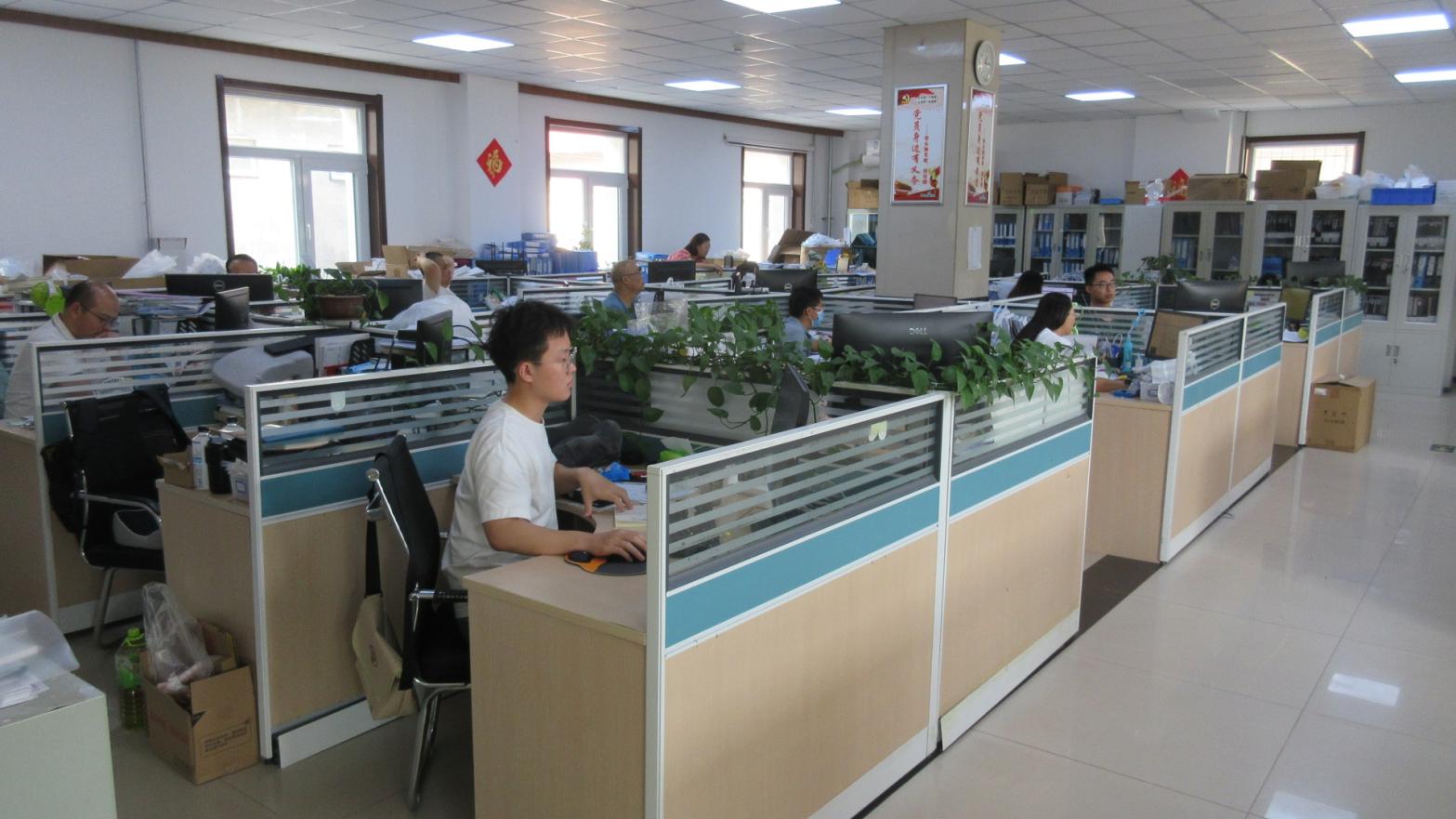
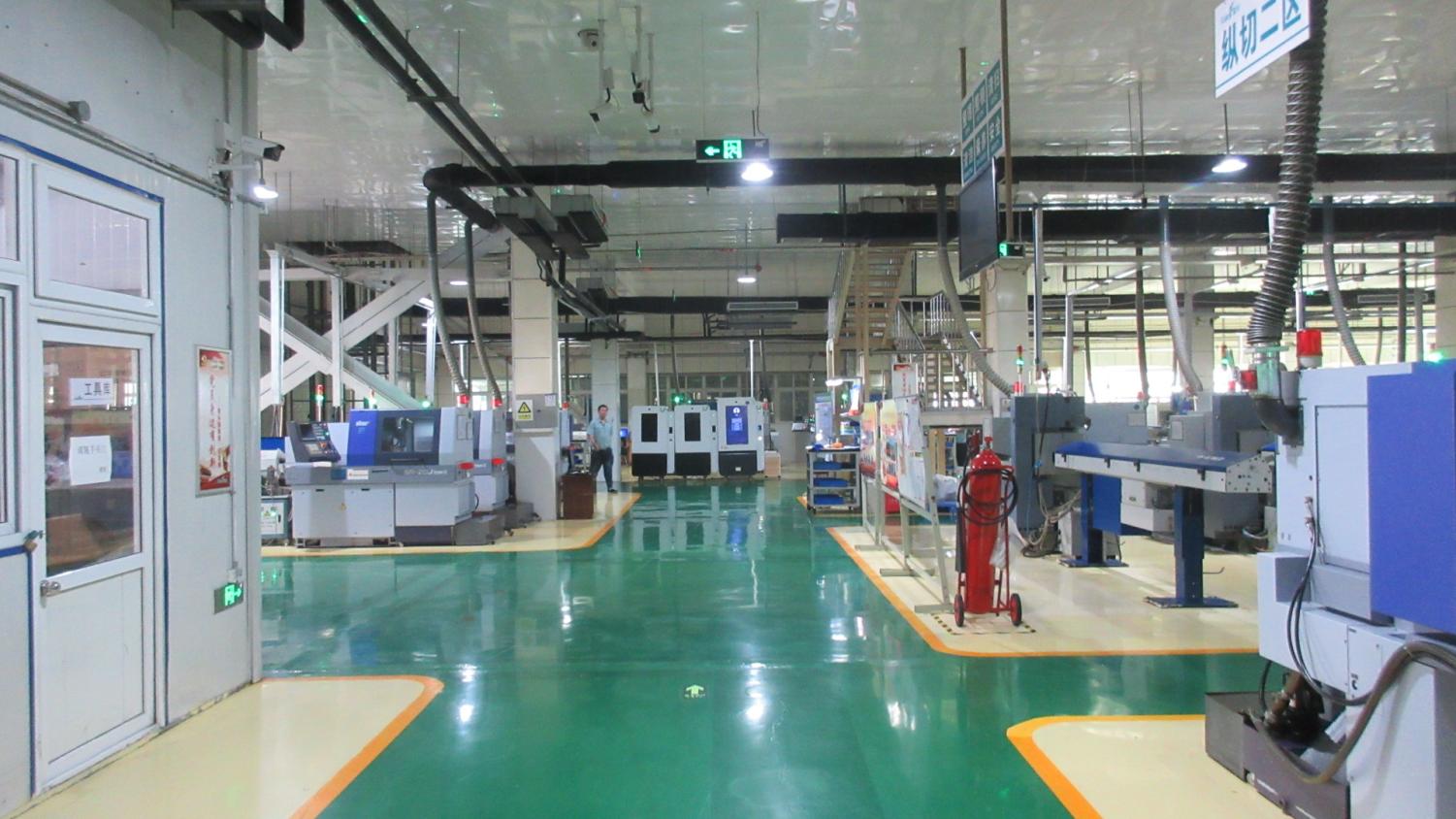
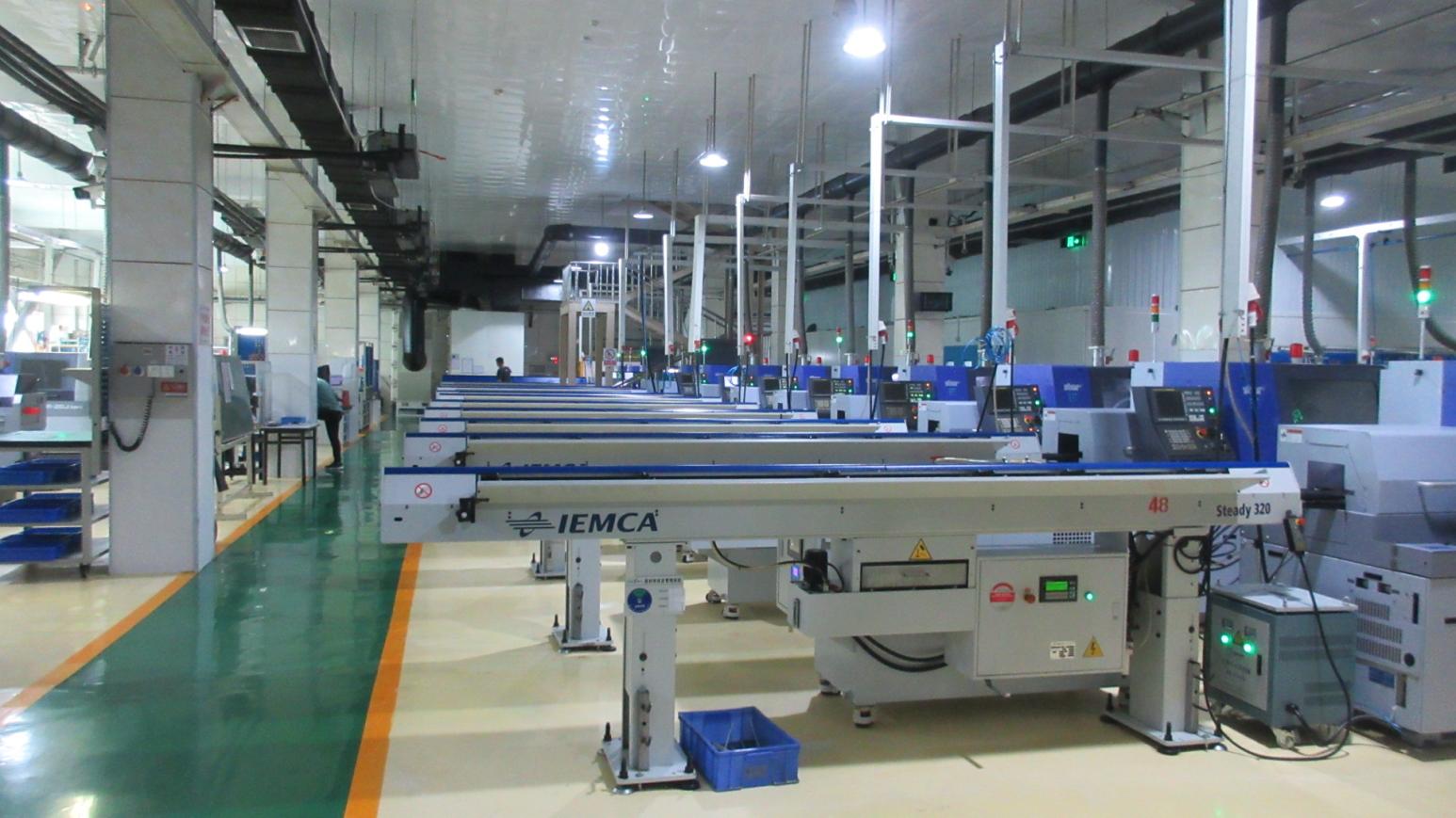
Addressing core clinical, logistics, and registration inquiries from surgical coordinators and distributors.
 Beren Science & Technology